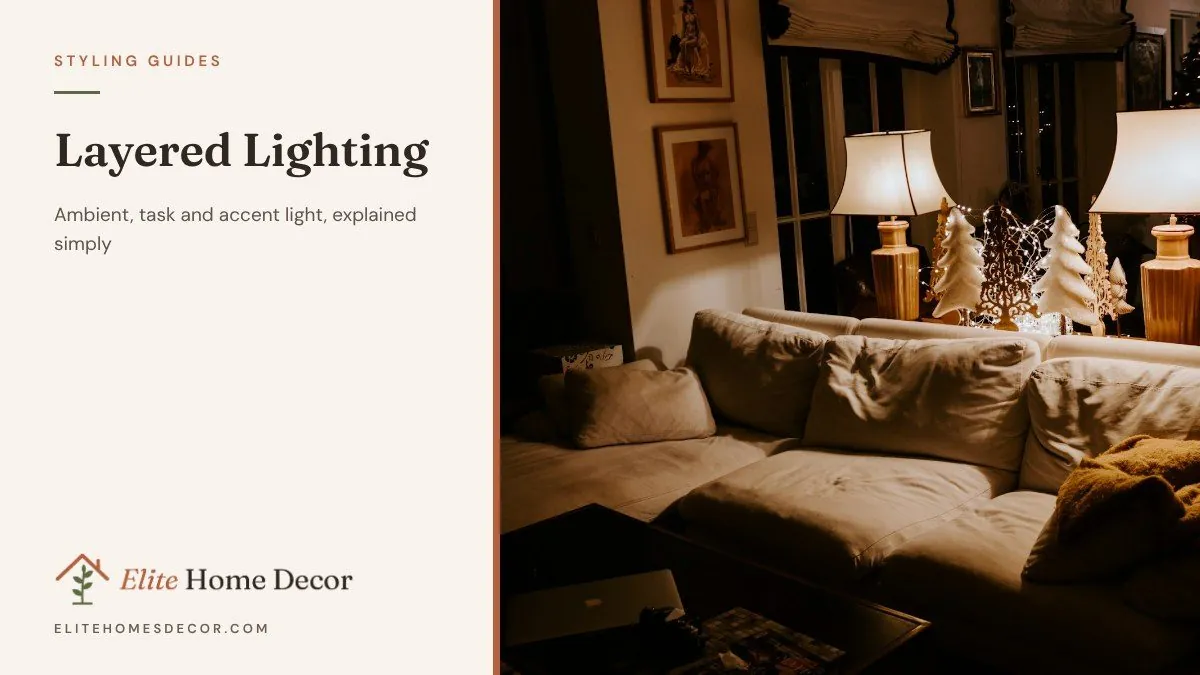
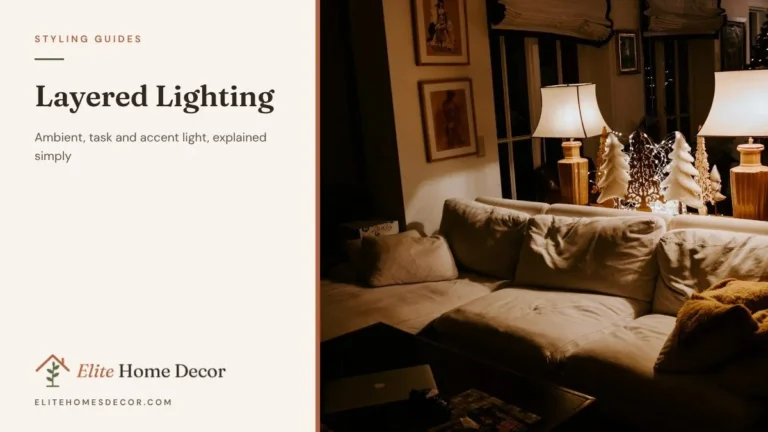
Walk into a room that a designer has lit and it feels warm, balanced and inviting, even if you cannot say why. The secret is almost never one expensive light. It is layering: combining several light sources at different heights, each doing a different job.
This guide explains layered lighting simply: the three layers, the three heights, how to choose bulbs and a room-by-room plan you can follow at home. It is the foundation for every other room guide on Elite Home Decor, from decorating basics to cozy living rooms.
The Three Layers of Light

- Ambient (general) light fills the room so you can move around safely. It comes from ceiling lights, pendants, large floor lamps or several table lamps together.
- Task light is focused, brighter light for an activity: reading, cooking, working or applying make-up.
- Accent light is softer, decorative light that highlights art, shelves, plants or architecture and adds depth.
Most rooms only have ambient light from a single ceiling fixture. Adding task and accent light is what makes the difference.
The Three-Height Rule
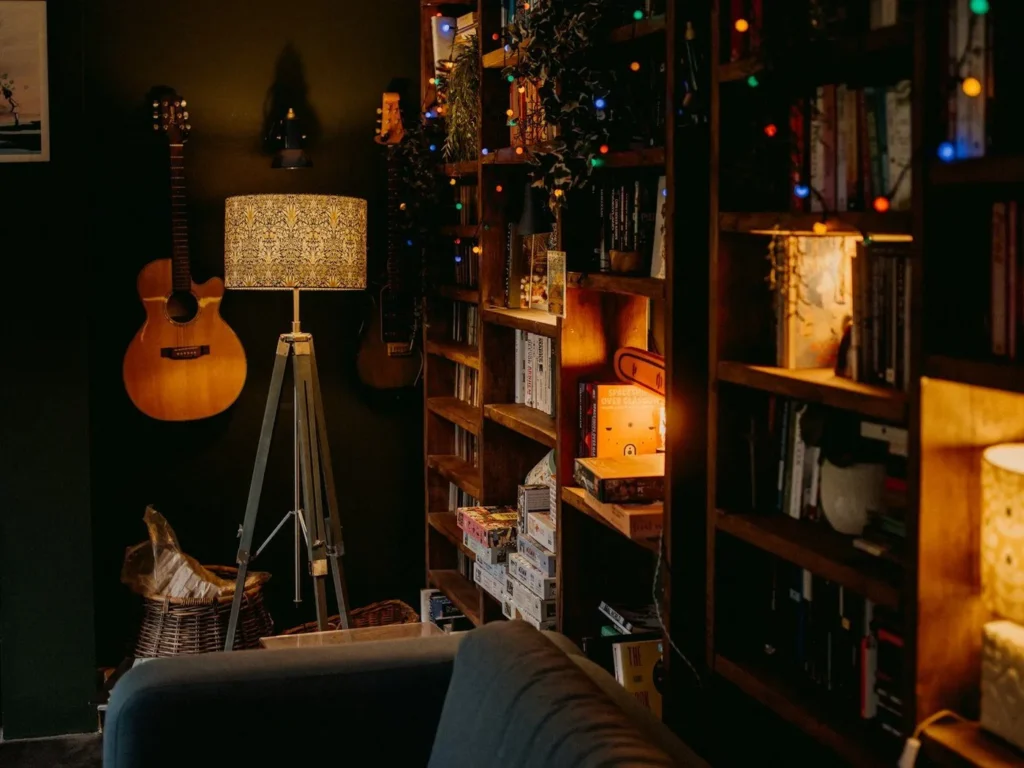
Place light at three levels in each room:
- High: ceiling lights, pendants or tall floor lamps.
- Middle: table lamps and wall sconces at roughly eye level when seated.
- Low: candles, small accent lamps, LED strips or lights inside cabinets.
Light at different heights creates soft pools and gentle shadows, so the room feels three-dimensional instead of flat.
1. Start With Ambient Light
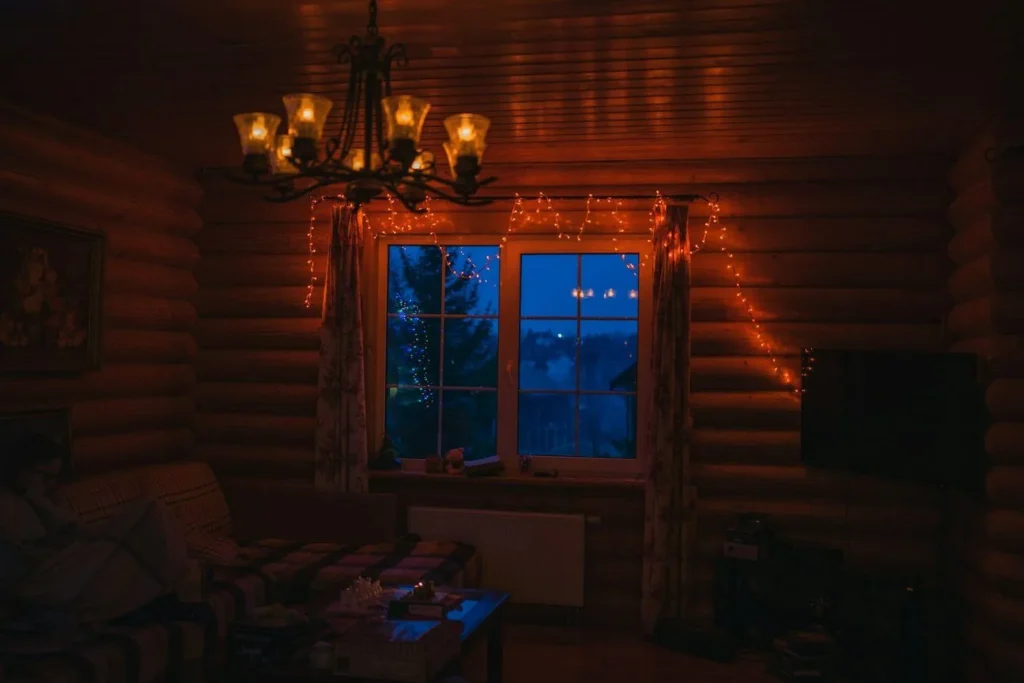
Ambient light is the base layer. In rooms with a ceiling light, fit a dimmer so it can be soft in the evening. In rooms without one, use a tall floor lamp that bounces light off the ceiling, or several lamps spread around the room.
2. Add Task Light Where You Do Things
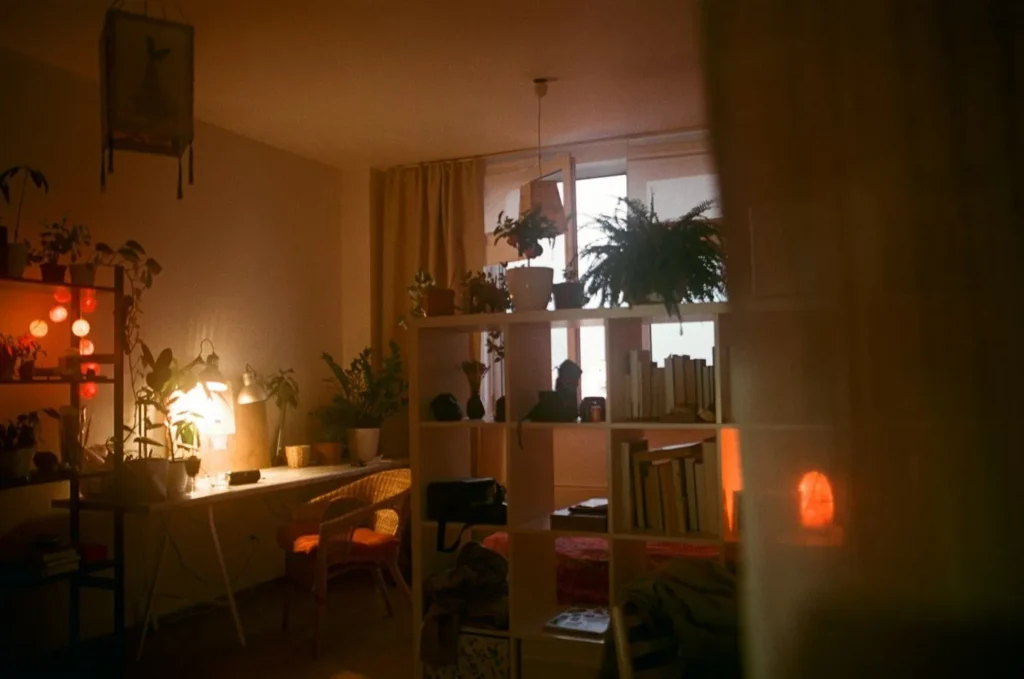
Think about what you do in each spot: read in an armchair, chop vegetables at the counter, work at a desk. Add a directed light for each task, such as an adjustable floor lamp, under-cabinet lighting or a desk lamp.
3. Finish With Accent Light
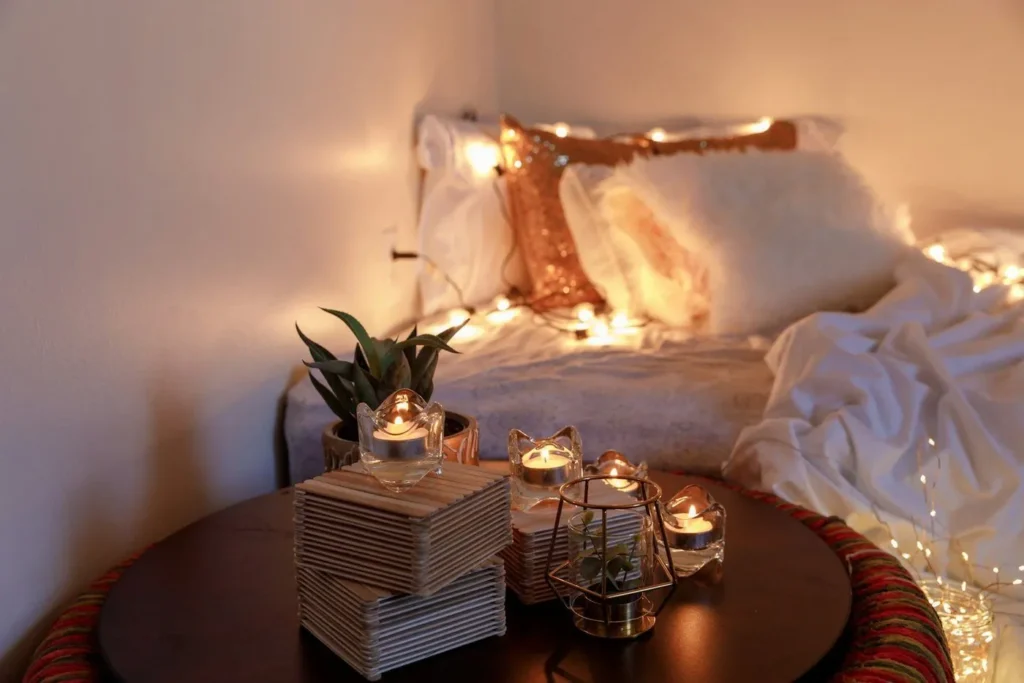
Accent light is what makes a room feel finished. A picture light above art, a small lamp on a bookshelf, an LED strip inside a glass cabinet or uplighting behind a plant adds depth and interest.
4. Choose the Right Color Temperature
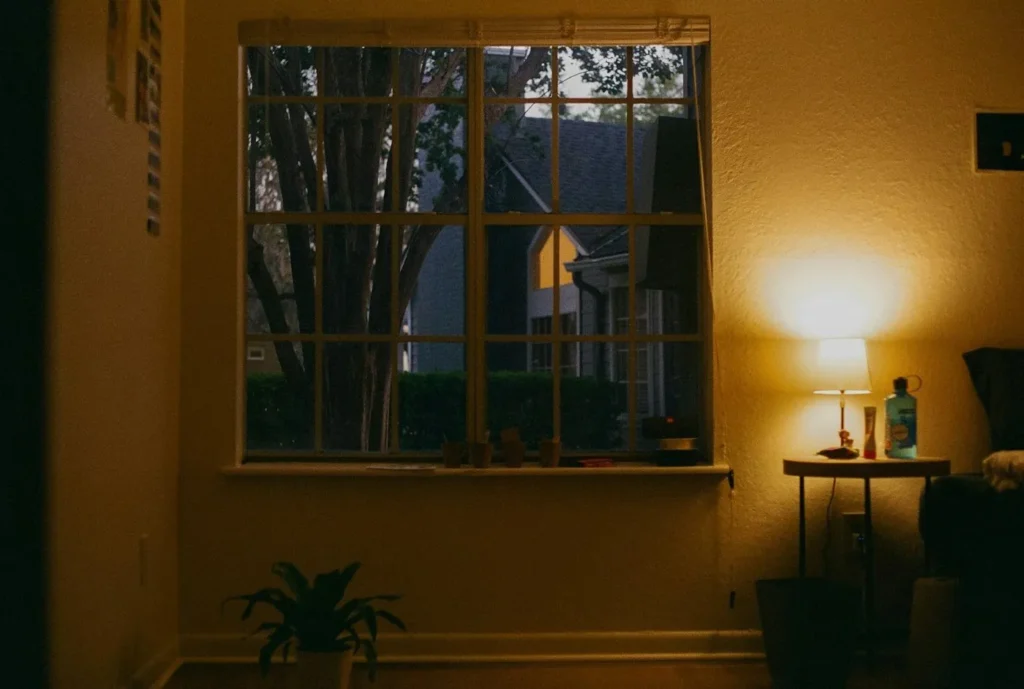
Color temperature, measured in Kelvin (K), describes how warm or cool light looks. Around 2700K gives a warm, cozy glow for living rooms and bedrooms. Around 3000K is a soft neutral that suits kitchens and bathrooms. Around 4000K is cool and crisp, good for task areas and workspaces. Keep the same temperature within one room.
5. Look for a High CRI
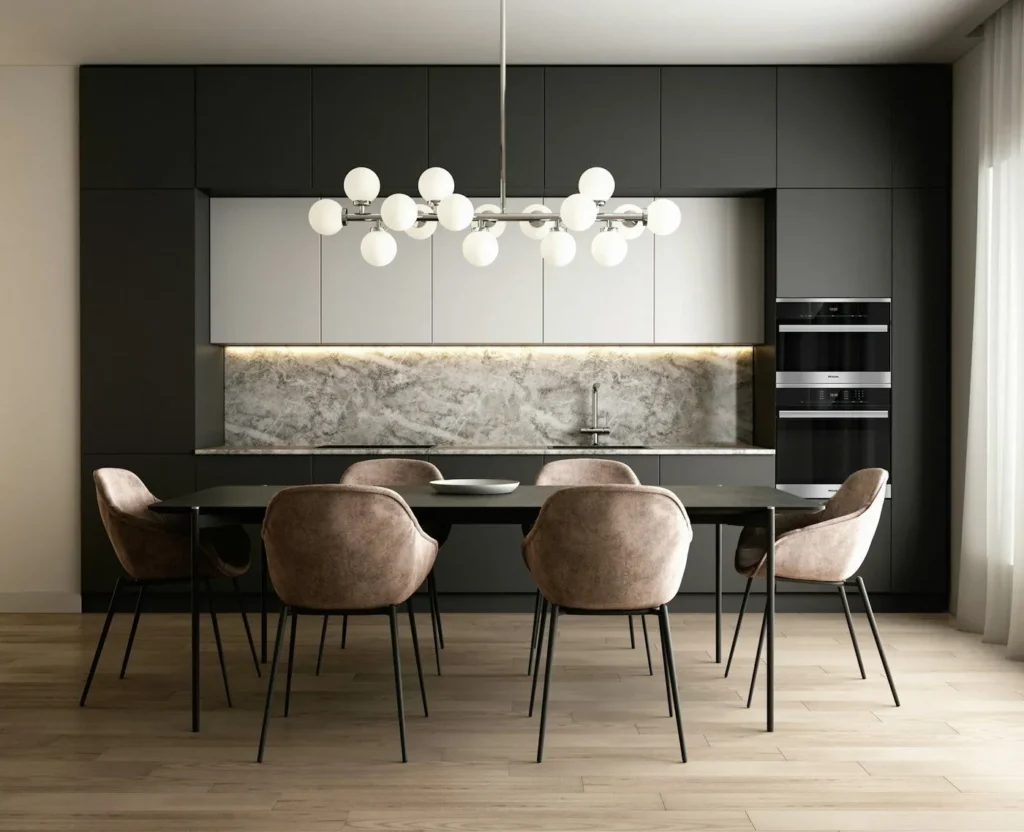
The color rendering index (CRI) shows how accurately a bulb displays colors. Bulbs with a CRI of 90 or higher make wood, fabric, paint and skin tones look natural. It is worth checking when buying LED bulbs.
6. Use Dimmers Everywhere You Can
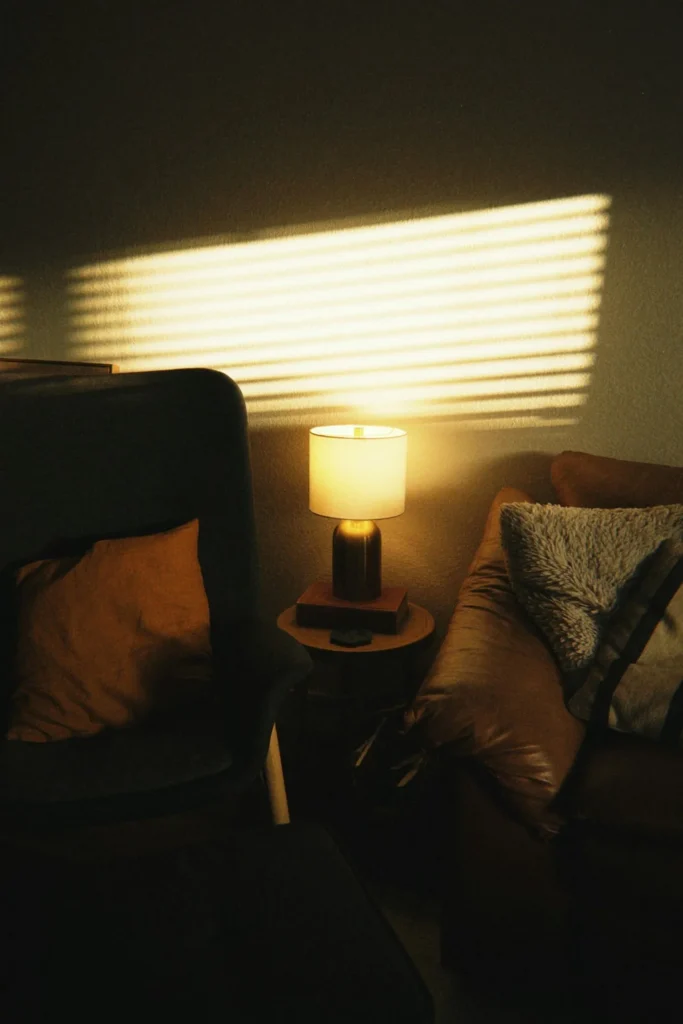
Dimmers let one light suit many moods. Plug-in dimmers and smart bulbs work without rewiring, so they are perfect for rentals.
7. Create Separate Light Zones
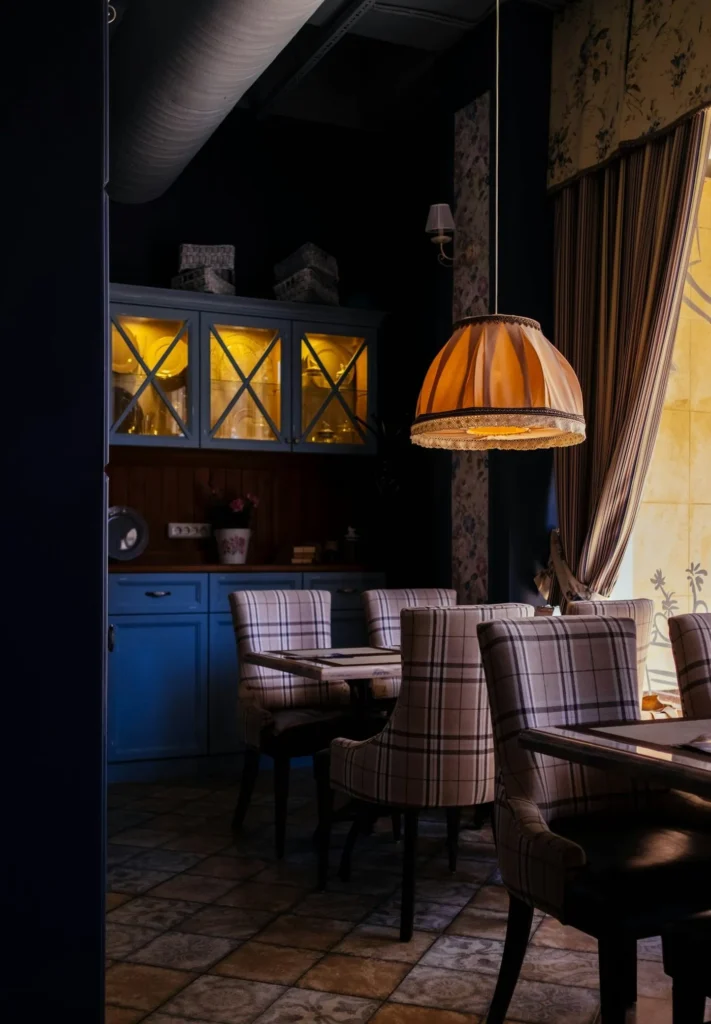
Group lights so you can switch different areas on and off: one zone for the seating area, one for the dining table, one for accent lights. Smart plugs make this easy in any home.
8. Avoid Glare
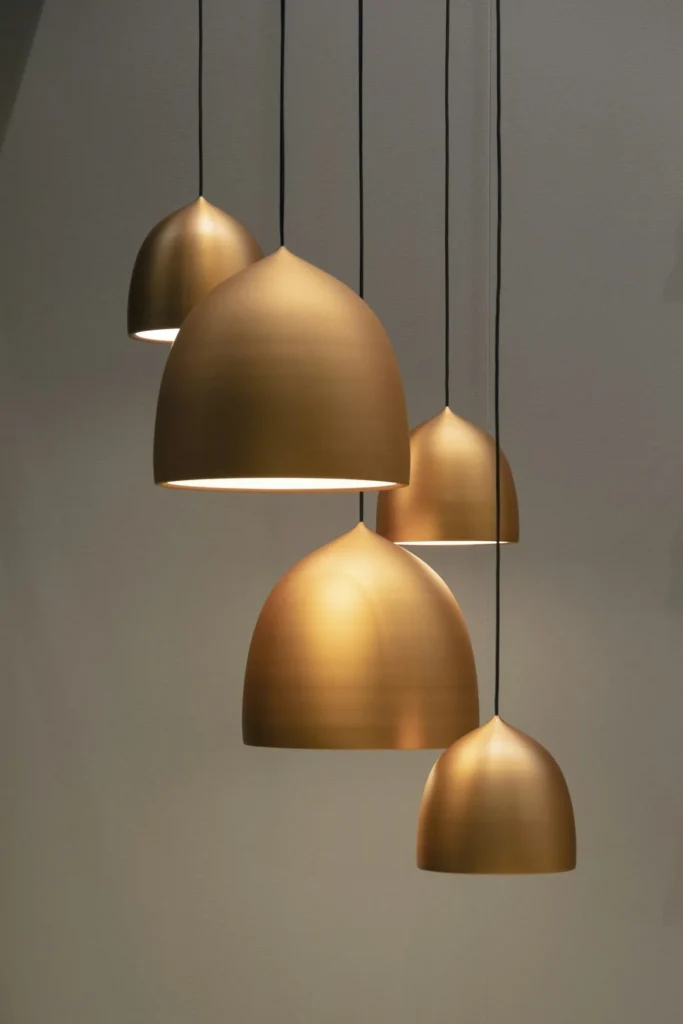
Bare bulbs and lights shining straight into your eyes feel harsh. Use shades, diffusers and indirect light, and position task lamps so the light falls on your work, not your face.
Room-by-Room Lighting Guide
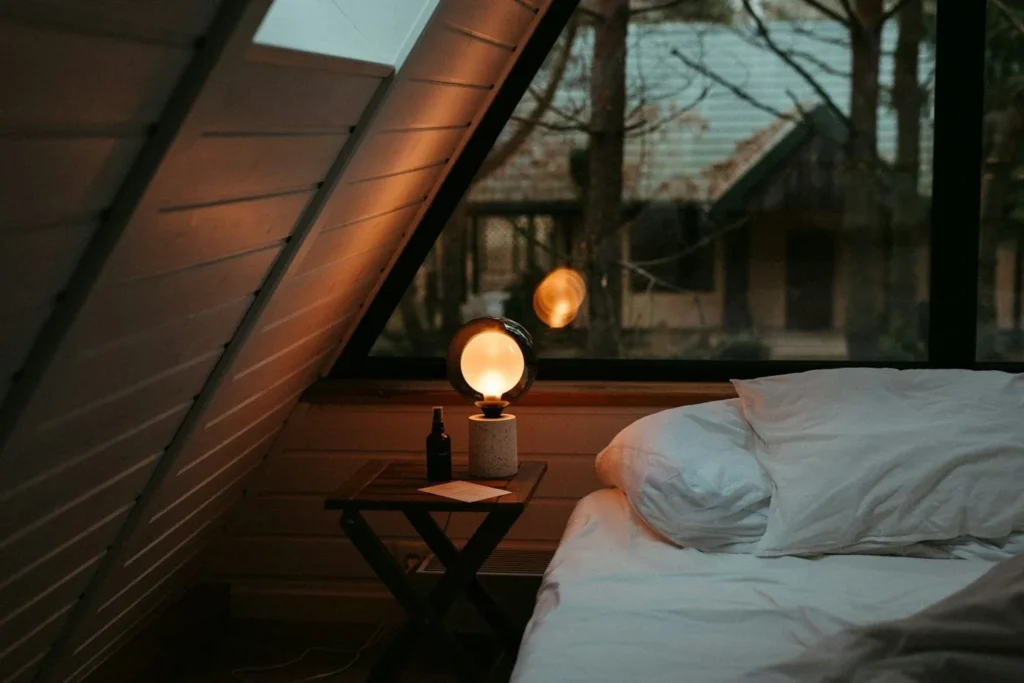
- Living room: a dimmable ceiling light or tall floor lamp, two table lamps, a reading lamp and one accent light. See how to light your living room.
- Bedroom: soft ambient light, a reading lamp on each side of the bed and a low, warm light for night.
- Kitchen: ceiling light for ambient, under-cabinet task lighting and pendants over an island or table.
- Dining room: a pendant or chandelier over the table, about 30 to 36 inches above the tabletop, plus candles or a lamp on a sideboard.
- Bathroom: even light at face height on both sides of the mirror, plus general ceiling light.
Lumens: How Bright Is Bright Enough?
Brightness is measured in lumens. As a rough guide:
- Living rooms and bedrooms: about 10 to 20 lumens per square foot in total.
- Kitchens and bathrooms: about 70 to 80 lumens per square foot at work areas.
- Home offices: about 50 lumens per square foot at the desk.
A standard LED bulb equivalent to a 60-watt incandescent gives about 800 lumens. Spreading the total across several lights at different heights always looks better than one bright source.
Common Lighting Mistakes
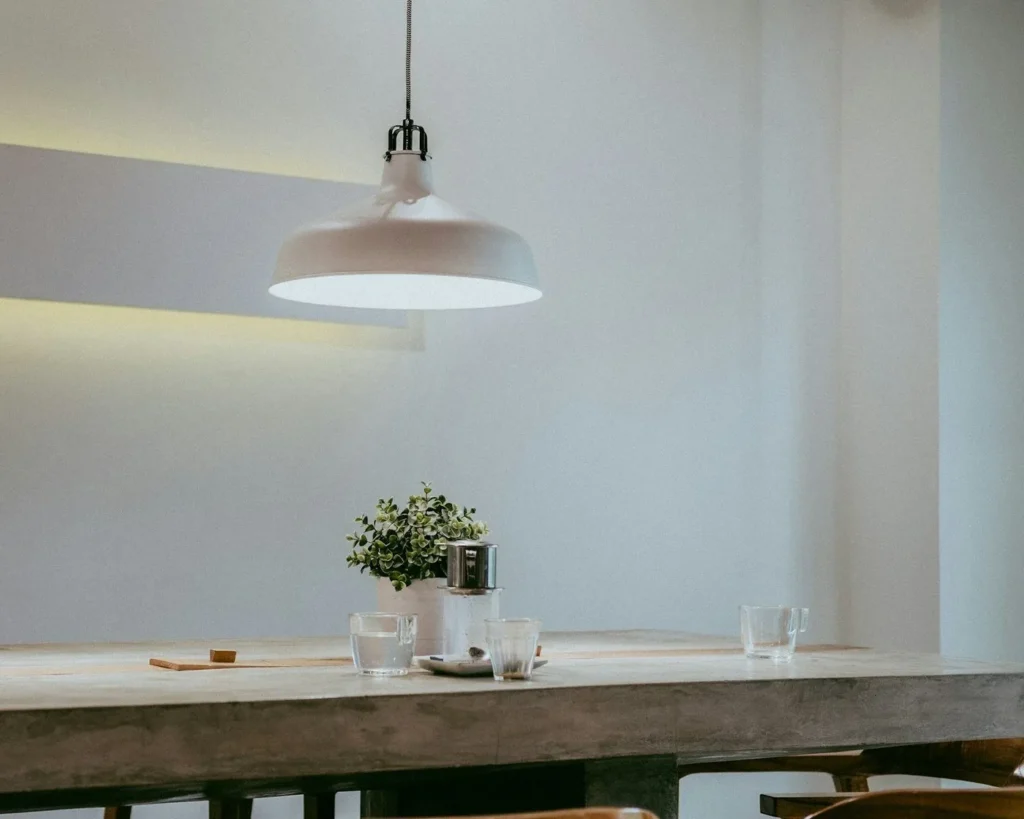
- Relying on a single overhead light.
- Mixing warm and cool bulbs in one room.
- Lamps all at the same height.
- No light for reading where people actually read.
- Bright bulbs with no dimmer.
Frequently Asked Questions
What is layered lighting? Combining ambient, task and accent light at different heights in the same room, so the room is practical, comfortable and atmospheric.
How many light sources should a room have? Most rooms feel best with at least three light sources at different heights, plus extra task light where needed.
What color temperature is best for a living room? Around 2700K, often called warm white or soft white, creates a cozy, relaxing glow.
What is the difference between ambient and accent lighting? Ambient lighting lights the whole room; accent lighting highlights particular features such as art, shelves or plants.
How do I add layered lighting to a rental? Use plug-in floor and table lamps, plug-in wall sconces, battery picture lights, LED strips and smart bulbs. No rewiring is needed.
Final Thoughts
Layered lighting is the simplest way to make any room look designed: ambient for the base, task for activities and accent for atmosphere, spread across three heights with warm, dimmable bulbs. Start with one room and add one light at a time. For a cozy finish, see how to make your living room feel cozy.



Leave a Reply