
Rooms with layers of pattern and texture feel collected, warm and full of personality. Rooms without them can feel flat. Yet many people avoid pattern because they worry it will look chaotic. The good news is that mixing patterns follows a few simple rules, and texture is even easier.
This guide explains how to mix patterns by scale, color and style, and how to layer textures for depth, with examples you can copy in any room.
Rule 1: Vary the Scale
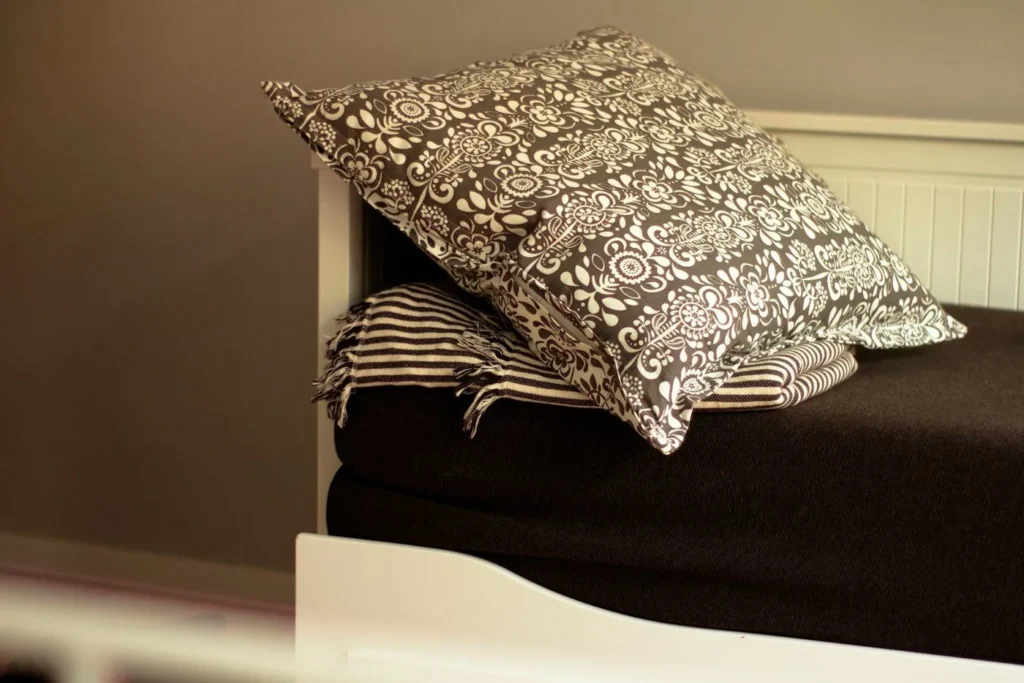
The most important rule is to mix patterns of different sizes:
- One large-scale pattern, such as a big floral, wide stripe or bold geometric.
- One medium-scale pattern, such as a regular stripe, check or ikat.
- One small-scale pattern, such as a small dot, ticking stripe or tiny print.
Patterns of the same size compete for attention; different sizes take turns.
Rule 2: Repeat a Color

Patterns that share at least one color look related, even if their designs are completely different. Choose a palette of two or three main colors plus a neutral and select patterns that use them.
Rule 3: Choose a Pattern Family
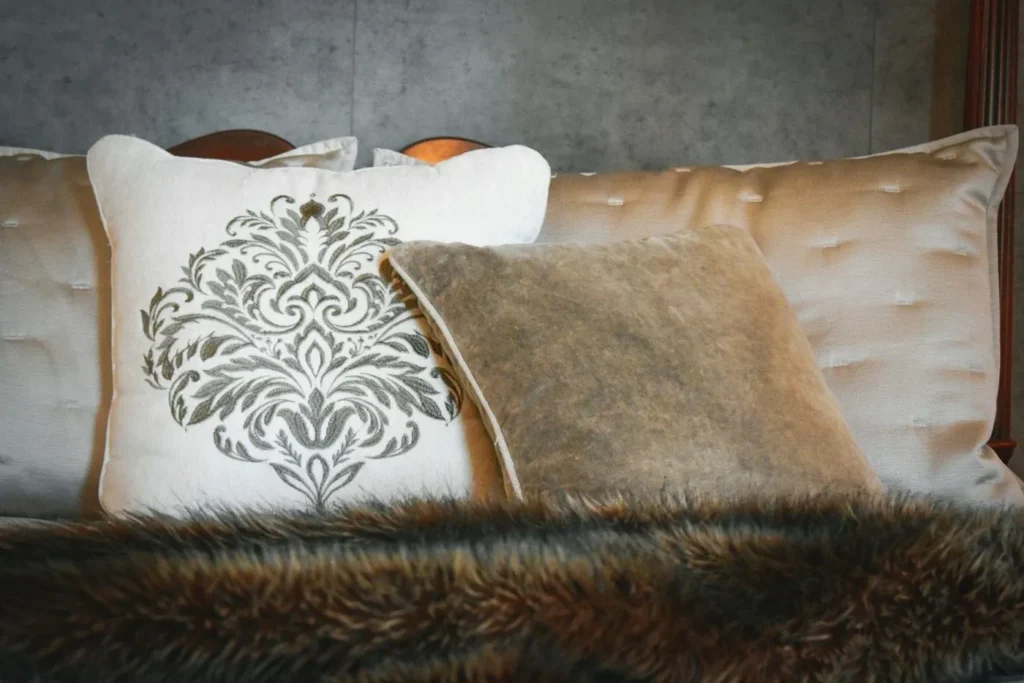
Patterns fall into loose families: florals, geometrics, stripes and checks, and organic or ethnic prints. Mixing one from two or three families works well. For example, a floral with a stripe and a small check is a classic combination.
Rule 4: Give the Eye a Rest

Use solids between patterns. A plain sofa, a solid rug border or plain curtains act as calm areas so the patterns have room to breathe. In most rooms, aim for more solid surfaces than patterned ones.
Rule 5: Spread Patterns Around the Room
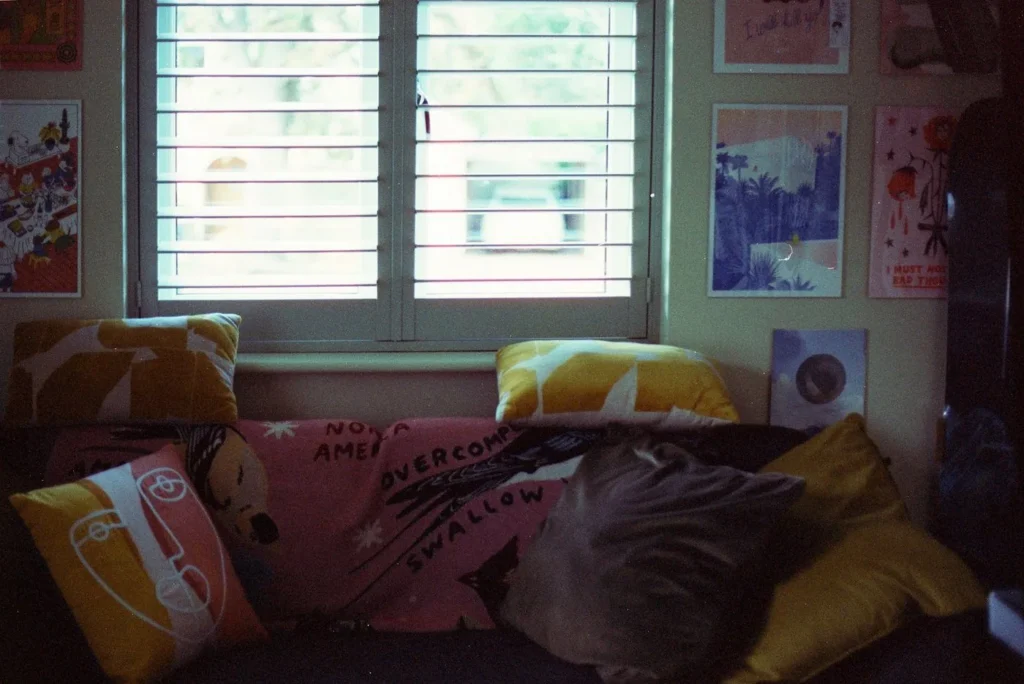
Do not cluster all your patterns in one spot. Repeat each pattern or color at least twice in different parts of the room, for example the rug color in a cushion and a piece of art, so the room feels balanced.
How to Layer Texture
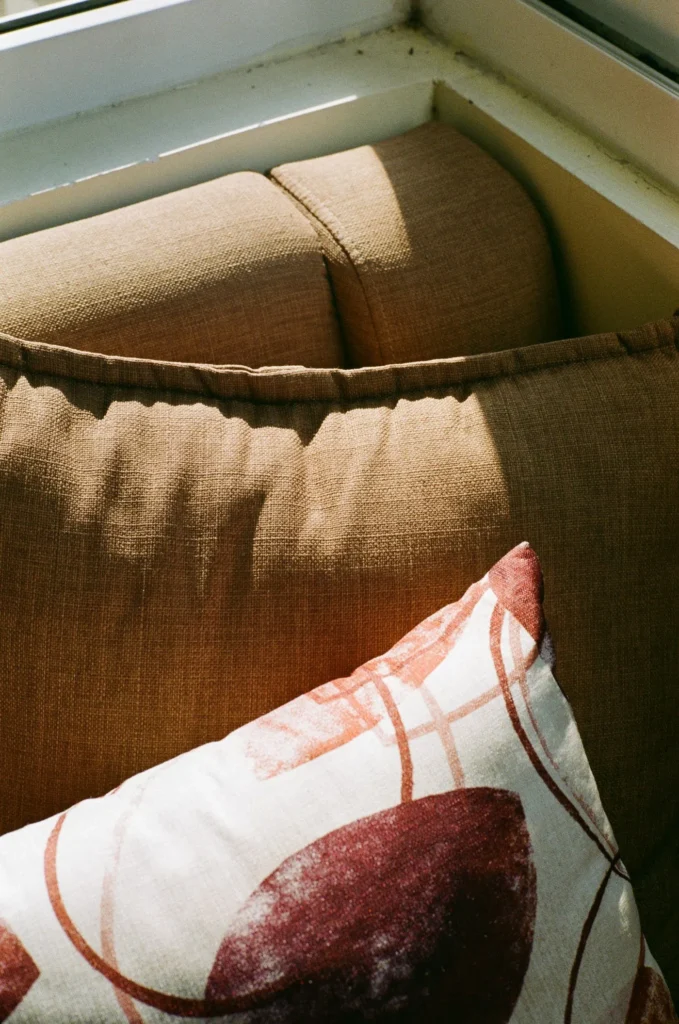
Texture adds depth even in a one-color room. Combine opposites:
- Rough and smooth: a jute rug with a glass coffee table.
- Soft and structured: a chunky knit throw on a leather chair.
- Matte and shiny: a linen sofa with a brass lamp.
- Natural and refined: a wooden bowl on a marble surface.
Aim for at least five different textures in a living room seating area.
Mixing Patterns in a Living Room
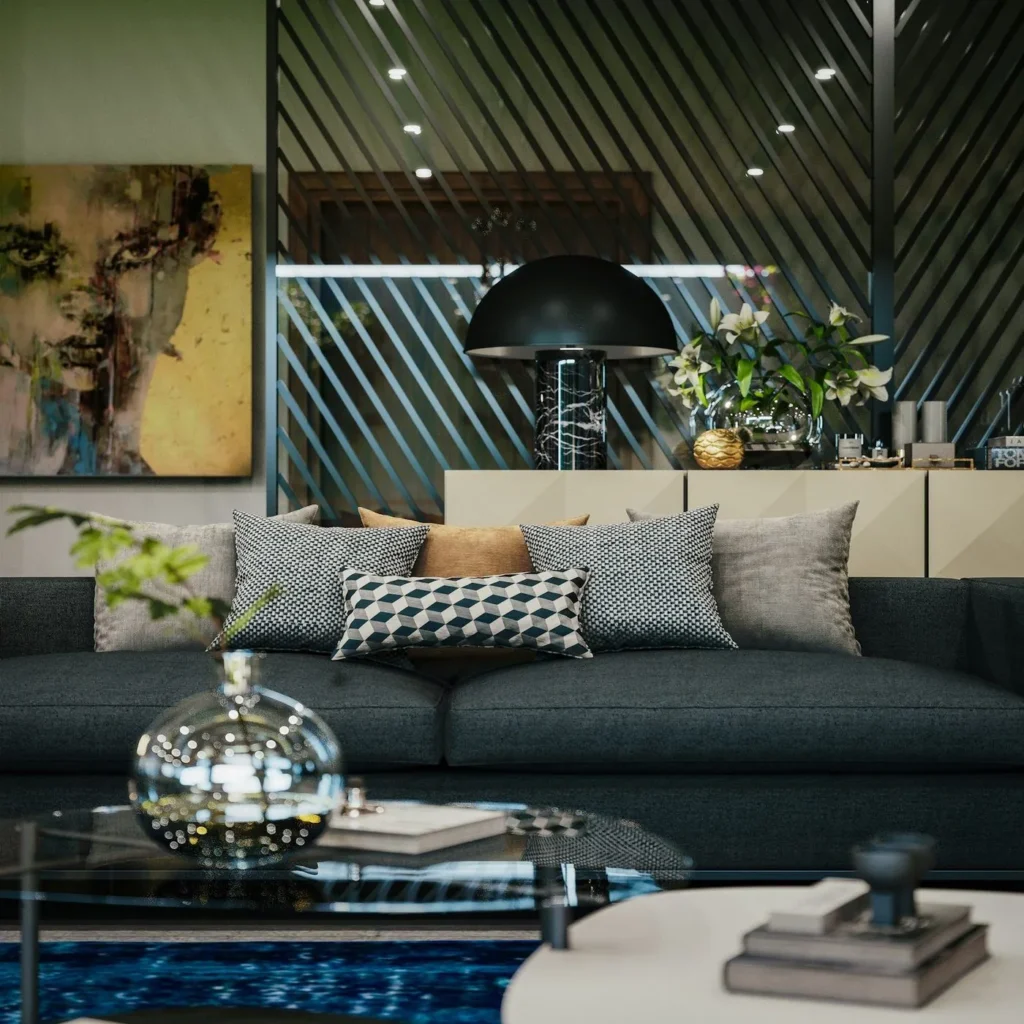
Start with the largest piece, usually the rug or curtains, as your main pattern. Then add a medium pattern on an accent chair and small patterns on cushions. Keep the sofa solid. Our guide to throw pillow combinations shows the sofa formula in detail.
Mixing Patterns in a Bedroom
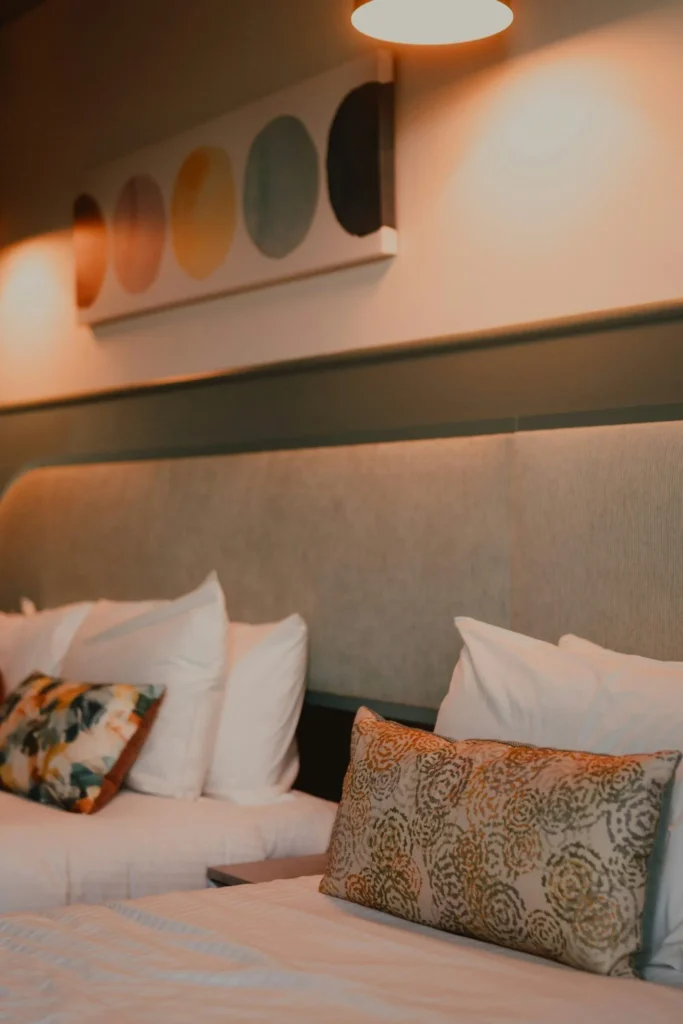
Bedding is the easiest place to mix patterns. Combine a patterned duvet with a striped or checked sheet set and a plain throw, then pick one color from the bedding for the curtains or headboard.
Mixing Patterns With Wallpaper
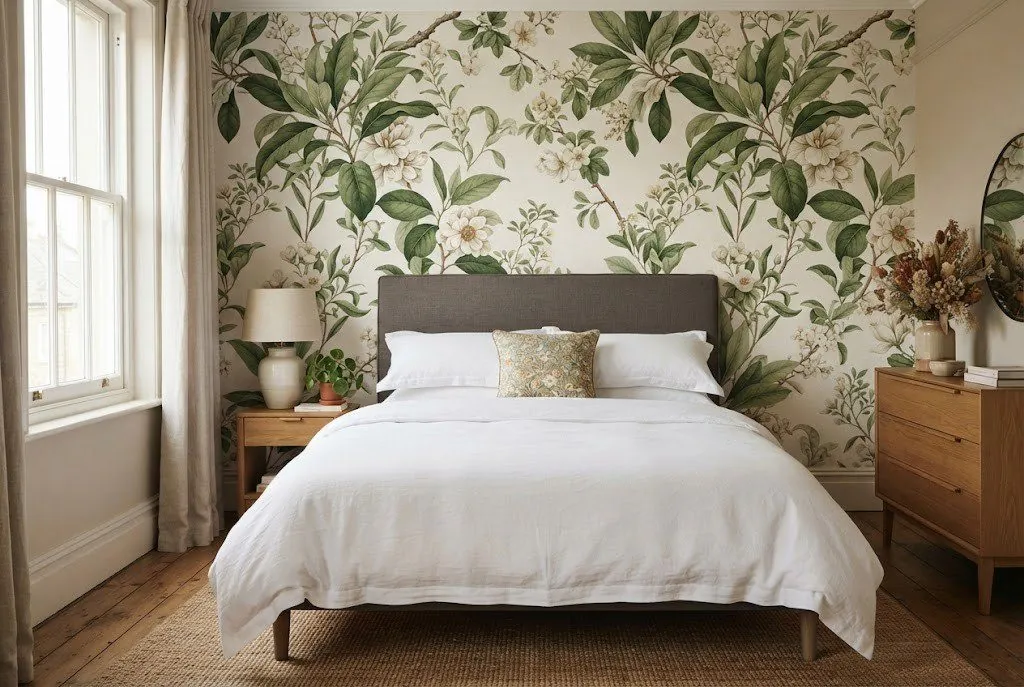
If you have a patterned wallpaper, let it be the large-scale pattern. Keep other patterns in the room smaller and use solids for big furniture so the wallpaper stays the star.
Mixing Patterns in a Neutral Room

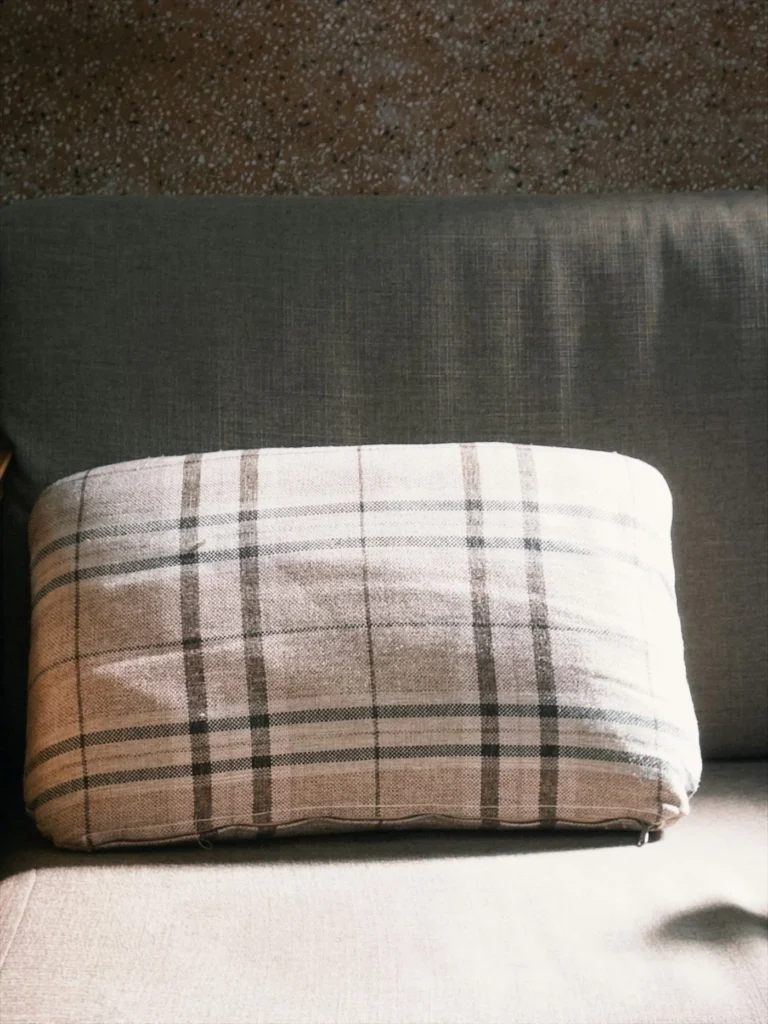
Neutral patterns are an easy way to start. A cream-and-black stripe, a beige check and a white textured weave add interest while staying calm. Texture does most of the work in a neutral scheme.
Using Pattern in Bohemian Style
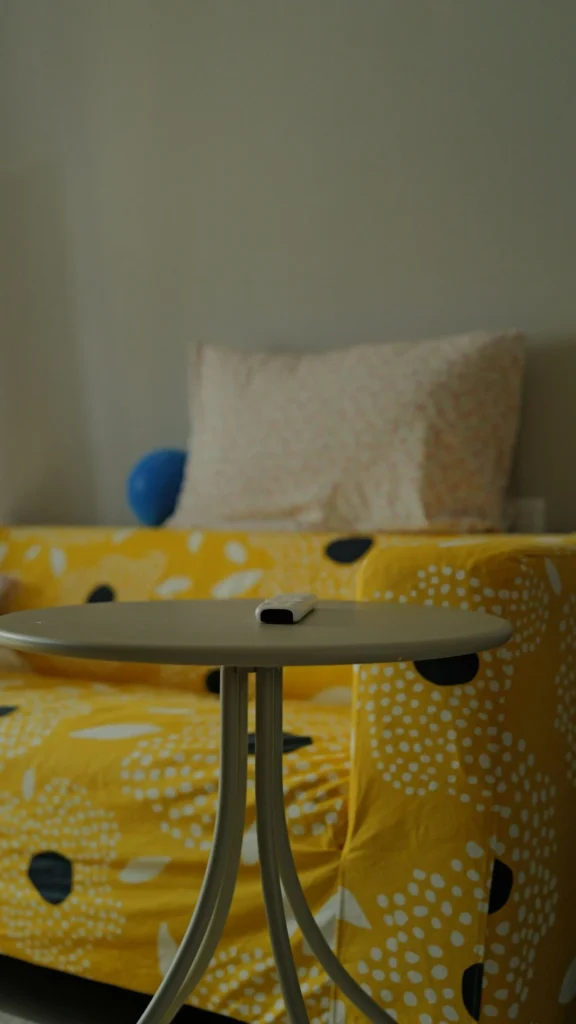
Boho rooms layer many patterns at once: kilim rugs, embroidered cushions and printed throws. They work because colors repeat and textures are natural. See more in our guide to boho decor ideas.
Easy Pattern Combinations to Copy
- Floral + stripe + small check: classic and cottage-friendly.
- Large geometric + thin stripe + solid texture: modern and graphic.
- Ikat + small dot + plain linen: relaxed and global.
- Buffalo check + ticking stripe + solid wool: cozy farmhouse.
- Abstract + woven texture + solid velvet: contemporary and soft.
Start Small
If you are new to pattern, begin with cushions and throws, which are easy and inexpensive to change. Once you are comfortable, try a patterned rug or curtains, then wallpaper on one wall.
Common Pattern Mistakes
- Several large patterns competing in the same area.
- Patterns with no shared colors.
- No solid areas to rest the eye.
- All patterns crowded in one corner.
Frequently Asked Questions
How do you mix patterns without clashing? Vary the scale (large, medium, small), repeat at least one color across all patterns and use solid surfaces in between.
How many patterns can you have in a room? Three is an easy number to start with. More can work if they share colors and vary in scale.
How do I add texture to a room? Combine opposites: rough and smooth, soft and structured, matte and shiny. Use rugs, throws, wood, ceramics, metal and plants.
Can you mix stripes and florals? Yes. They are a classic pairing. Choose a floral and a stripe that share at least one color, and vary their scale.
Should patterns match exactly? No. Coordinated patterns that share colors look more interesting than matching sets.
Final Thoughts
Mixing patterns is about scale, color and balance, while texture is about pairing opposites. Start with one large pattern, add a medium and a small one in the same colors, and layer at least five textures. For more decorating fundamentals, see decorating basics.

Leave a Reply