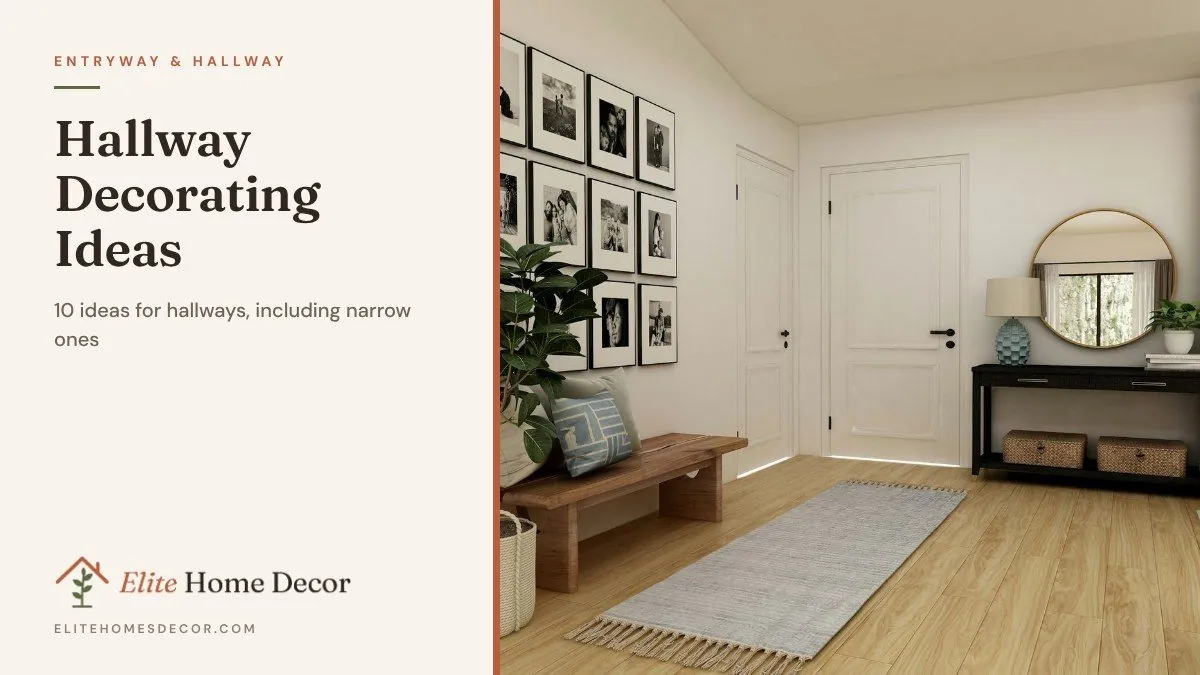
Hallways are often dark, narrow and forgotten. They are spaces we pass through many times a day without really looking at them. Yet the hallway connects every room in the home, and a few smart choices can turn it into a welcoming space that makes the whole house feel more finished.
These ideas focus on light, walls and floors, because there is rarely room for furniture. They work in long, narrow halls, short corridors and upstairs landings.
Start With the Basics
Before decorating, look at three things:
- Width: most hallways are 36 to 48 inches wide. Anything that sticks out more than a few inches from the wall can make a narrow hall feel cramped.
- Light: note where daylight comes from and where the dark spots are.
- Traffic: busy halls need durable floors and wipeable paint.
1. Lay a Runner
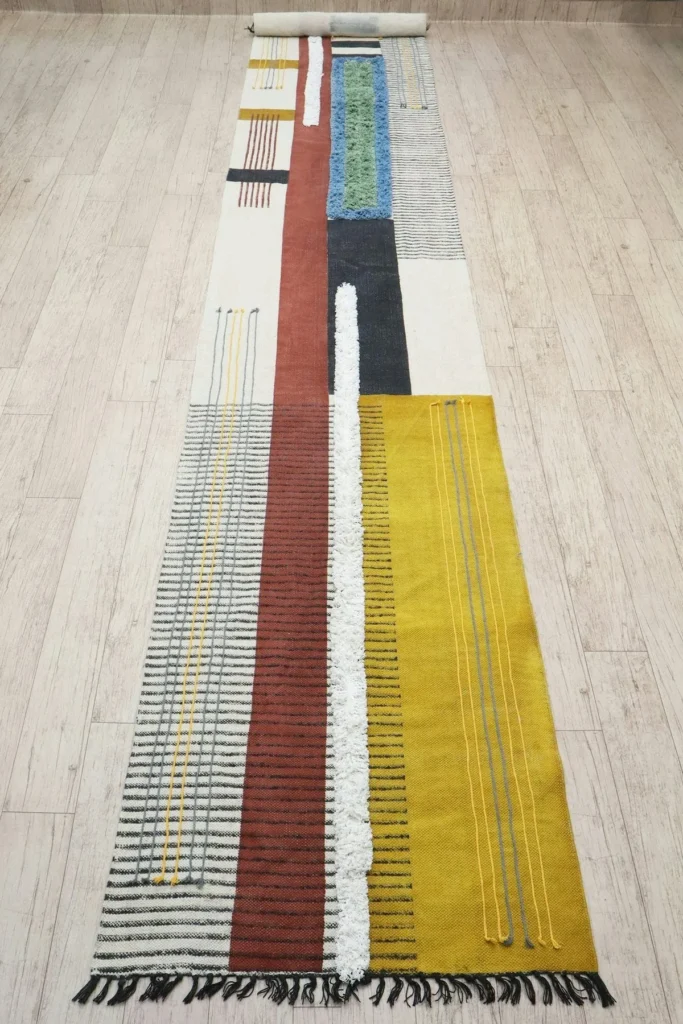
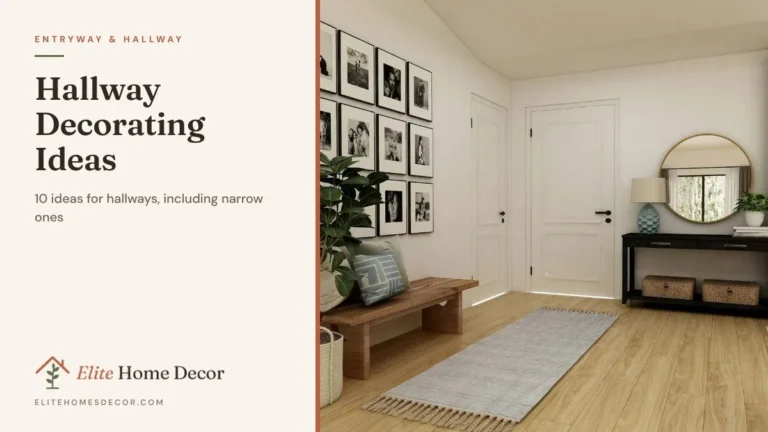
A long runner adds color and softness and leads the eye down the hallway. Leave a few inches of floor on each side, usually about 4 to 6 inches.
Choose a runner about 2.5 feet wide for a 3-foot hallway, and about 3 feet wide for a 4-foot hall. Low-pile, washable and flat-weave runners stand up best to heavy traffic. Use a non-slip pad underneath. See our rug size guide.
2. Create a Gallery Wall
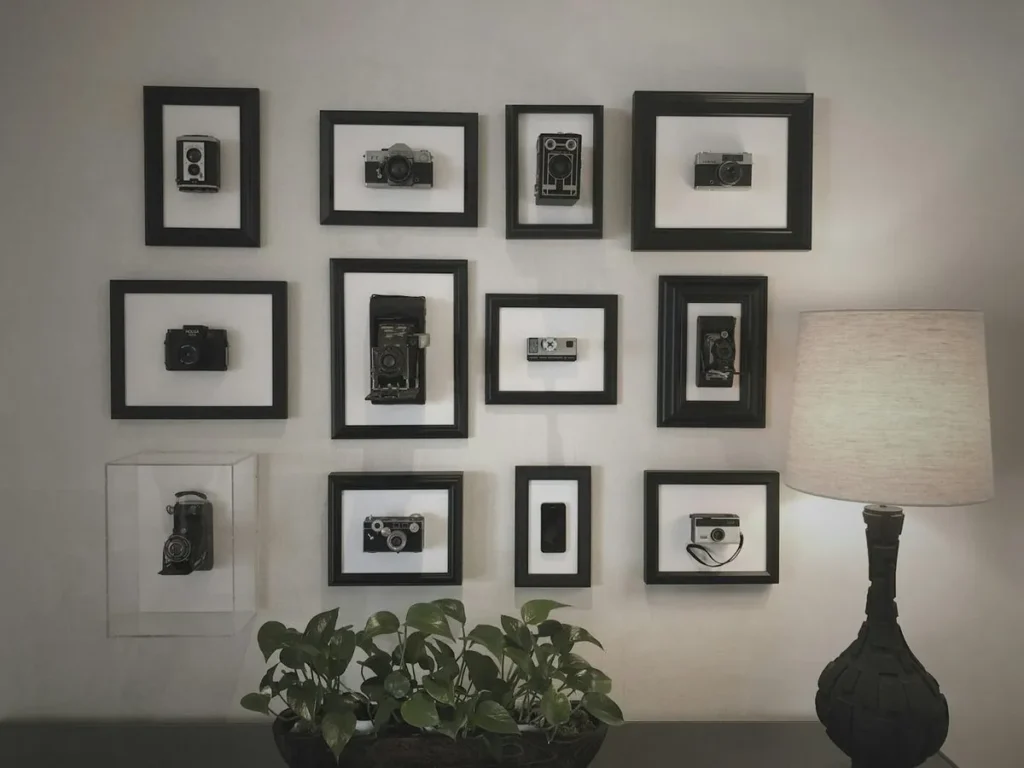
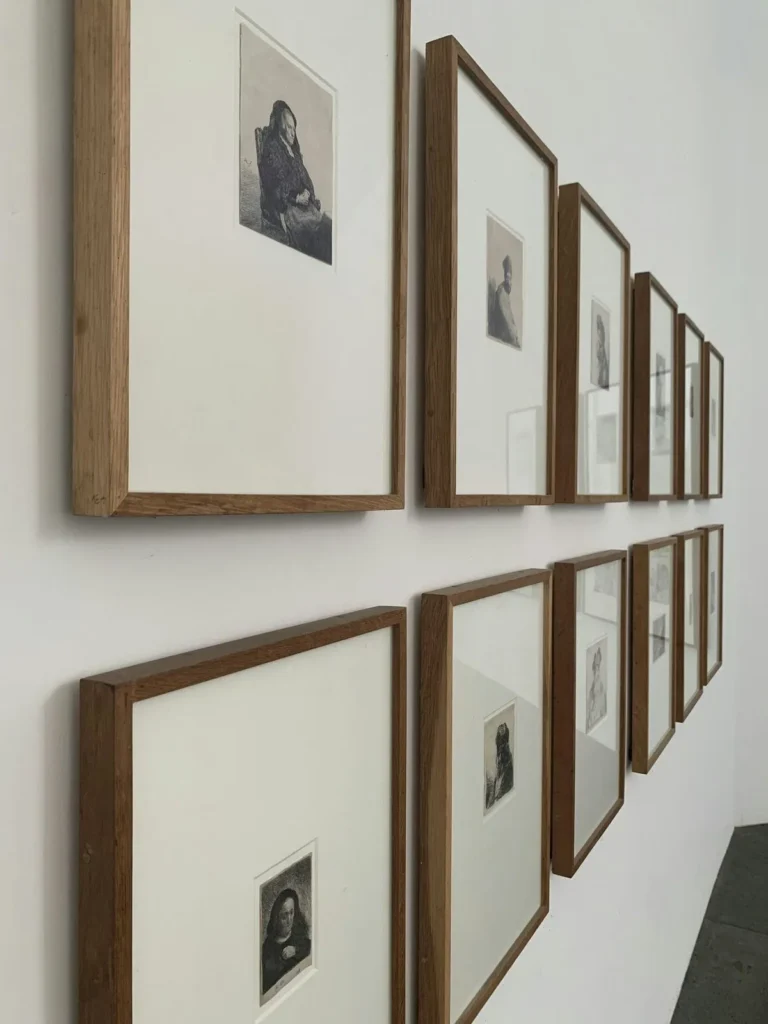
Hallways are perfect for gallery walls. Keep frames 2 to 3 inches apart and center the group around 57 to 60 inches from the floor, as recommended by Mixtiles. See how to hang wall art.
In a long hall, a single row of matching frames at eye level looks calm and orderly. Family photos, travel prints and children’s art all work well.
3. Add Mirrors
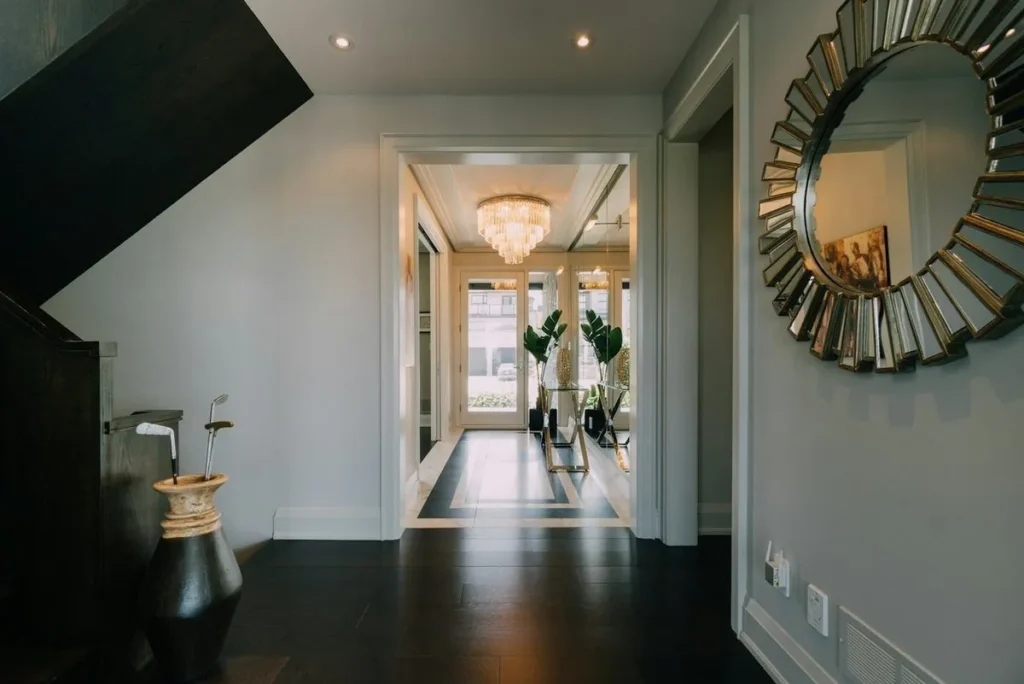
A mirror at the end of a hall or along one side bounces light and widens the space visually. A mirror opposite a window or doorway brings daylight deeper into the hall.
Choose a slim frame in a narrow hallway, so it doesn’t stick out into the walkway.
4. Use Wall Lights
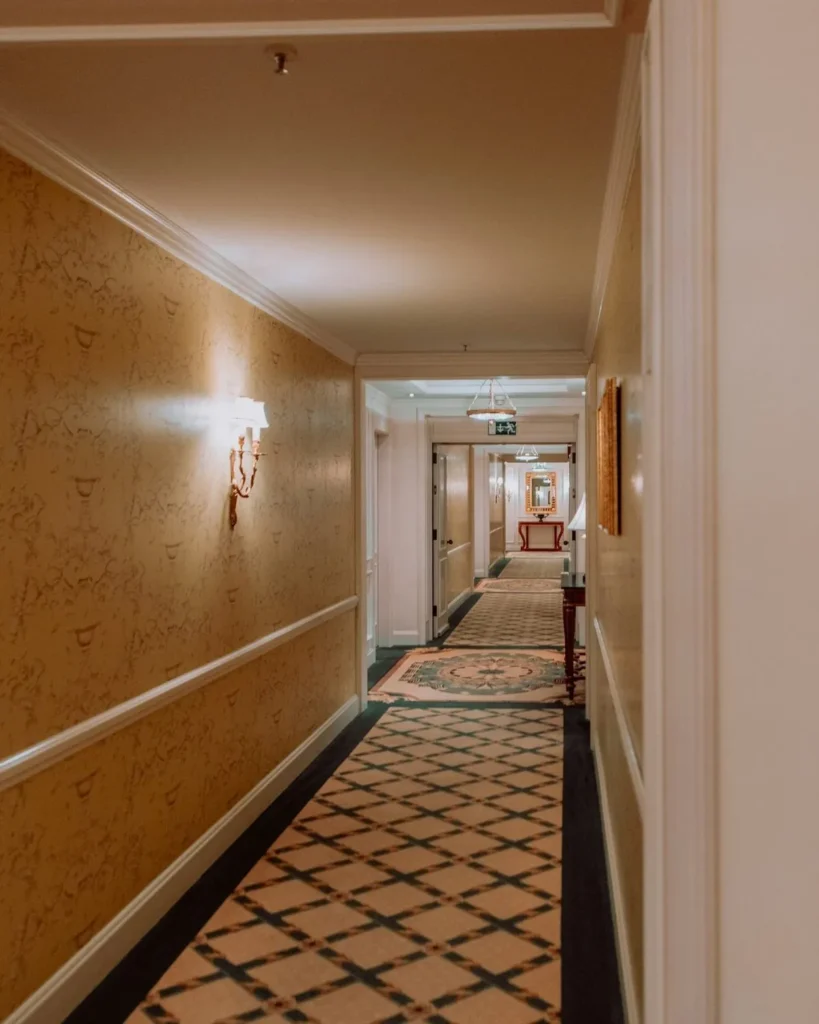
Sconces light the walls and free up floor space. Warm white bulbs make the hall feel welcoming.
Space sconces about 6 to 8 feet apart along a long hall, and mount them at about 60 to 66 inches from the floor. Choose flush or slim fittings that don’t stick out more than about 4 inches. Plug-in or battery sconces need no wiring.
5. Paint the End Wall

A deeper color on the far wall of a long hallway makes it appear shorter and more balanced. It also gives the eye a destination.
Choose a shade a few steps darker than the side walls, or a contrasting color such as deep green, navy or terracotta.
6. Keep Side Walls Light
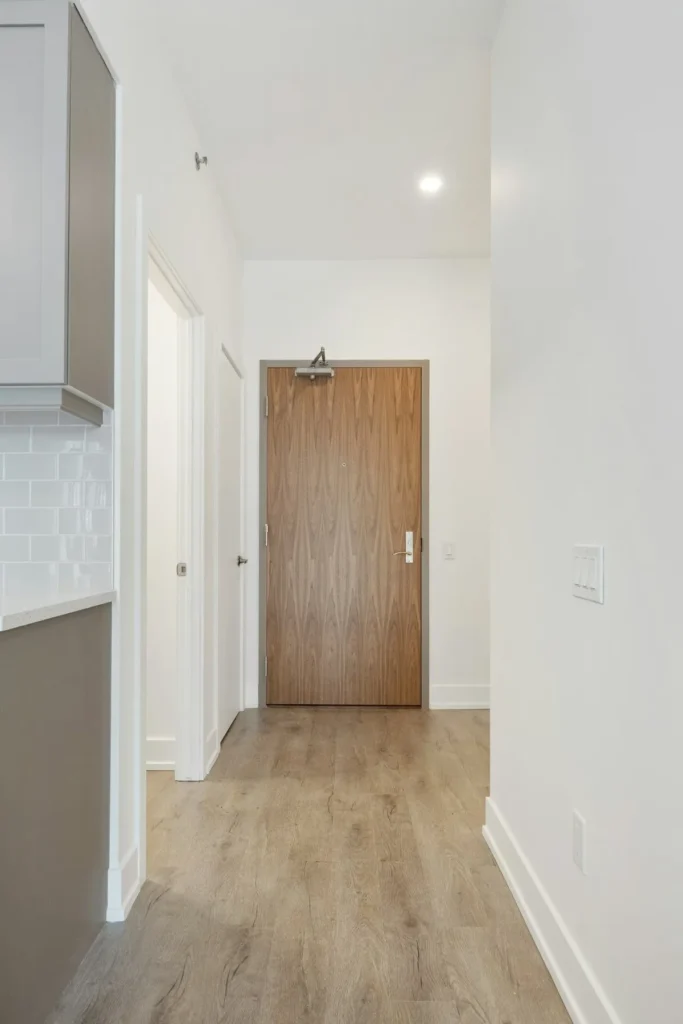
Light side walls make a narrow hallway feel wider. Warm whites, soft greige and pale sage reflect light from windows and lamps.
Choose a durable, scrubbable paint finish such as eggshell or satin, because hallway walls get bumped and touched often.
7. Add a Slim Shelf or Ledge
A picture ledge holds art and small objects with only a few inches of depth. You can change the display often without making new holes.
Mount it at around eye level and overlap frames of different sizes for a relaxed look.
8. Try Wall Paneling

Simple wall paneling or a painted lower half adds character and protects walls from bumps. Wainscoting or panel molding about 36 to 42 inches high suits most hallways.
Paint the paneling a slightly darker shade than the upper wall for a classic two-tone look.
9. Add a Plant at a Wider Spot

If there is a wider corner or landing, a tall plant softens the space. Choose low-light plants such as a snake plant, ZZ plant or cast-iron plant for darker halls.
No space on the floor? A trailing plant on a high shelf adds greenery without blocking the way.
10. Use Hooks Near the Door
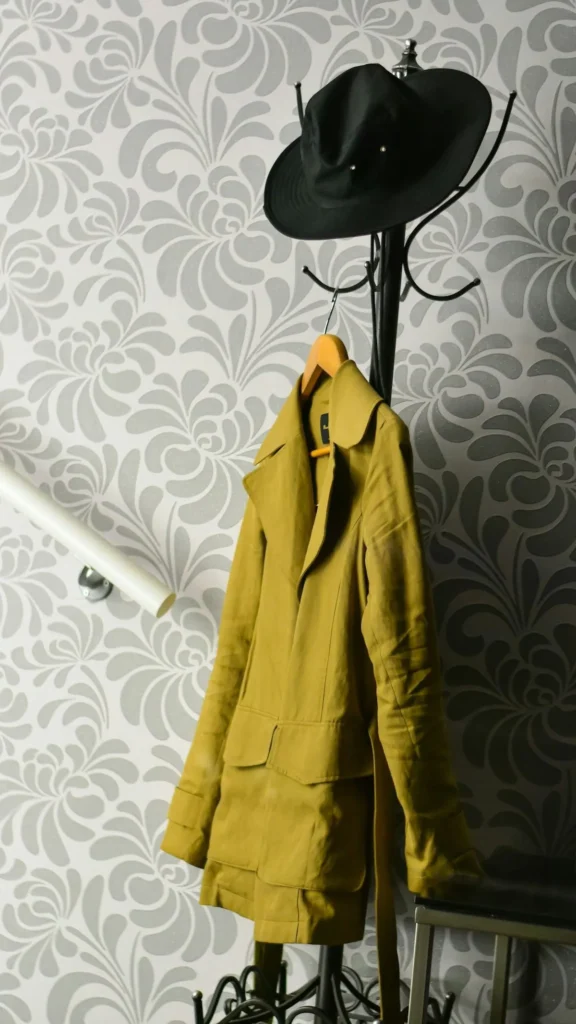
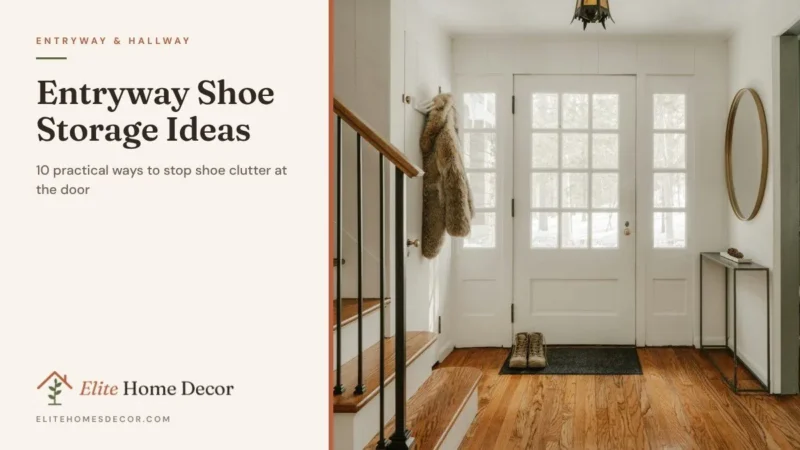
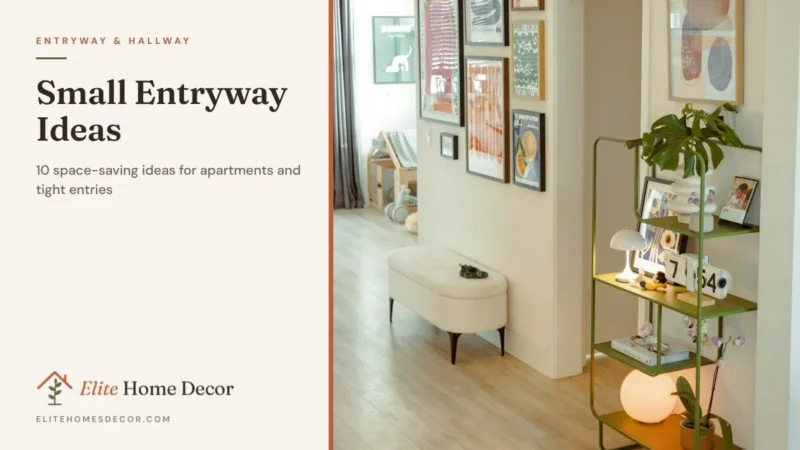
If your hall is also your entry, a row of hooks keeps coats organized. Add a slim shoe cabinet and a small tray for keys. See small entryway ideas.
Narrow Hallway Do’s and Don’ts
- Do use wall lights, mirrors and light colors.
- Do keep furniture under about 10 inches deep.
- Don’t fill the walls with large, heavy frames that stick out.
- Don’t use a dark color on every wall unless you want a moody, cozy look.
Upstairs Landings
A landing is often the widest part of the hall. Use it for a small chair and a lamp to create a reading spot, a bookcase or a large plant. A piece of art at the top of the stairs gives you something to look forward to as you climb.
Frequently Asked Questions
How do I decorate a long narrow hallway?
Use a runner, a gallery wall, wall lights, mirrors and a deeper color on the end wall.
What color makes a hallway look bigger?
Light, warm colors on the side walls; a deeper color can work on the end wall.
What size runner do I need for my hallway?
Leave about 4 to 6 inches of floor on each side. A 2.5-foot runner suits a 3-foot hall.
How do I light a hallway with no ceiling light?
Use plug-in or battery wall sconces, a slim lamp on a shelf or motion-sensor lights.
Final Thoughts
Hallways are often overlooked, but they connect every room in your home. A runner, good wall lighting and a gallery wall or mirror make an instant difference, while a painted end wall or paneling adds character. Keep side walls light in narrow spaces and leave clear walkways. A hallway that feels finished makes the whole home feel more cohesive.
Back to entryway decor ideas, or learn about runners and rugs in our rug size guide.

Leave a Reply