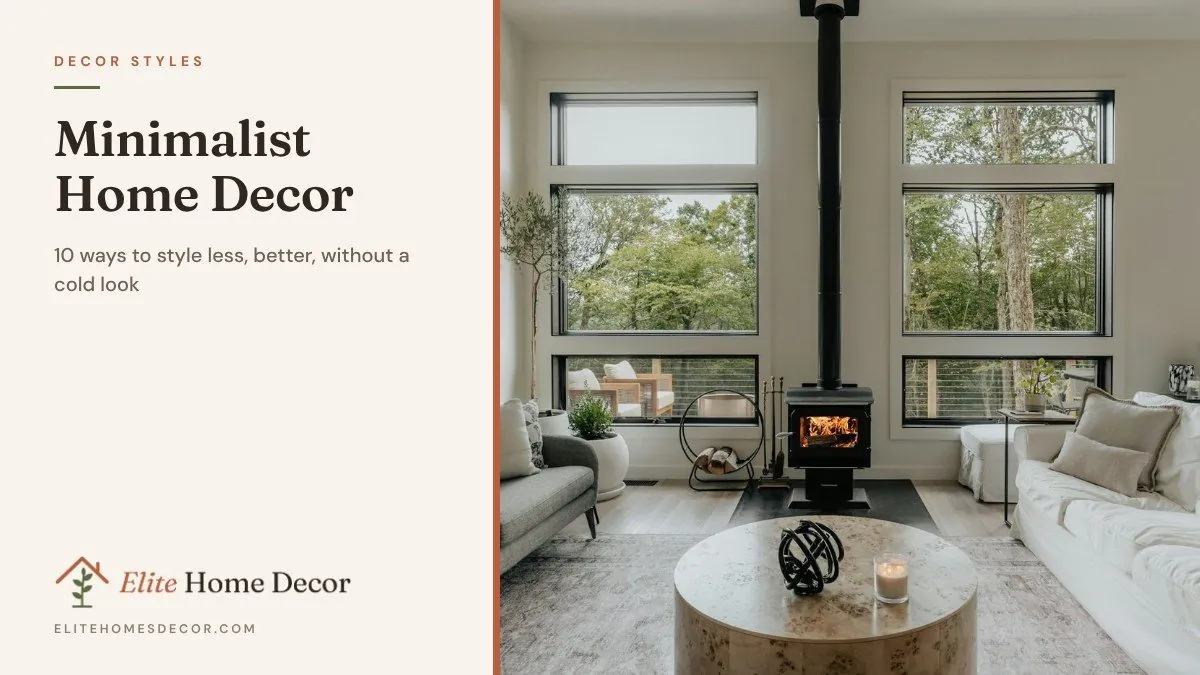
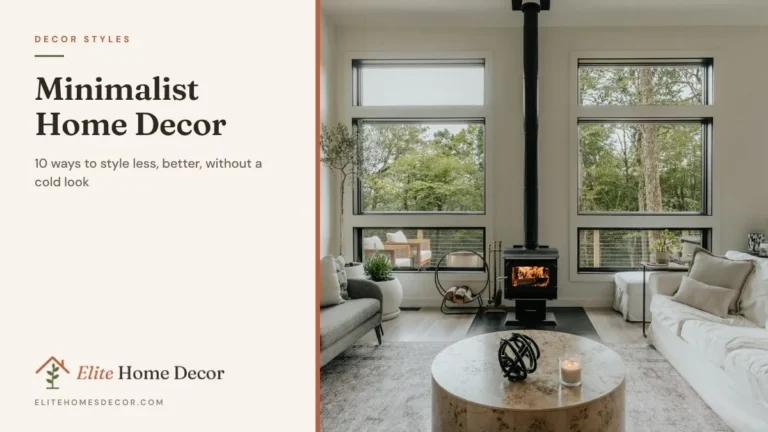
Minimalism isn’t about empty, cold rooms. Warm minimalism keeps only what you love and use, then adds texture and natural materials so the space still feels inviting. The result is a home that is calmer, easier to clean and more personal, because everything in it has been chosen.
Here’s how to style less, better, with a practical plan to get started and ideas for each room.
The Principles of Warm Minimalism
- Every item earns its place by being useful or meaningful.
- Quality over quantity: fewer, better-made pieces.
- Calm, consistent palette of warm neutrals.
- Texture instead of clutter for interest.
- Space is part of the design, not something to fill.
1. Edit Ruthlessly

Keep only pieces that are useful or meaningful. Clear surfaces are the foundation of minimalism.
Work room by room, starting with the most visible surfaces. For each item, ask: do I use it, do I love it, and does it have a home? If the answer to all three is no, it can go. Donate, sell or recycle what you remove.
2. Choose Fewer, Better Pieces

Invest in a few well-made items rather than many cheap ones. A solid wood dining table, a comfortable sofa in a durable fabric and good bedding will last for years.
Before buying anything new, wait a week. If you still want it, and it has a clear place in your home, it is probably worth having.
3. Use a Neutral Palette
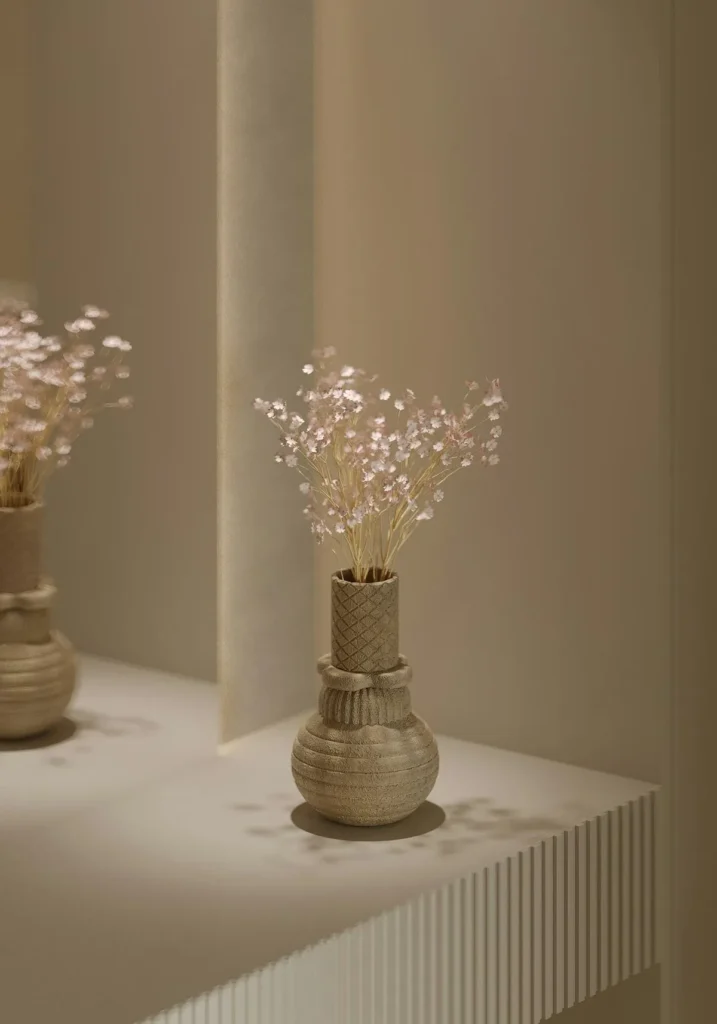
Warm whites, beige, stone and soft greys create calm. Choose one main neutral for walls and repeat two or three related tones in furniture and textiles.
Warm neutrals keep minimalist rooms from feeling stark. Avoid bright, cool whites in rooms that get little daylight.
4. Add Texture
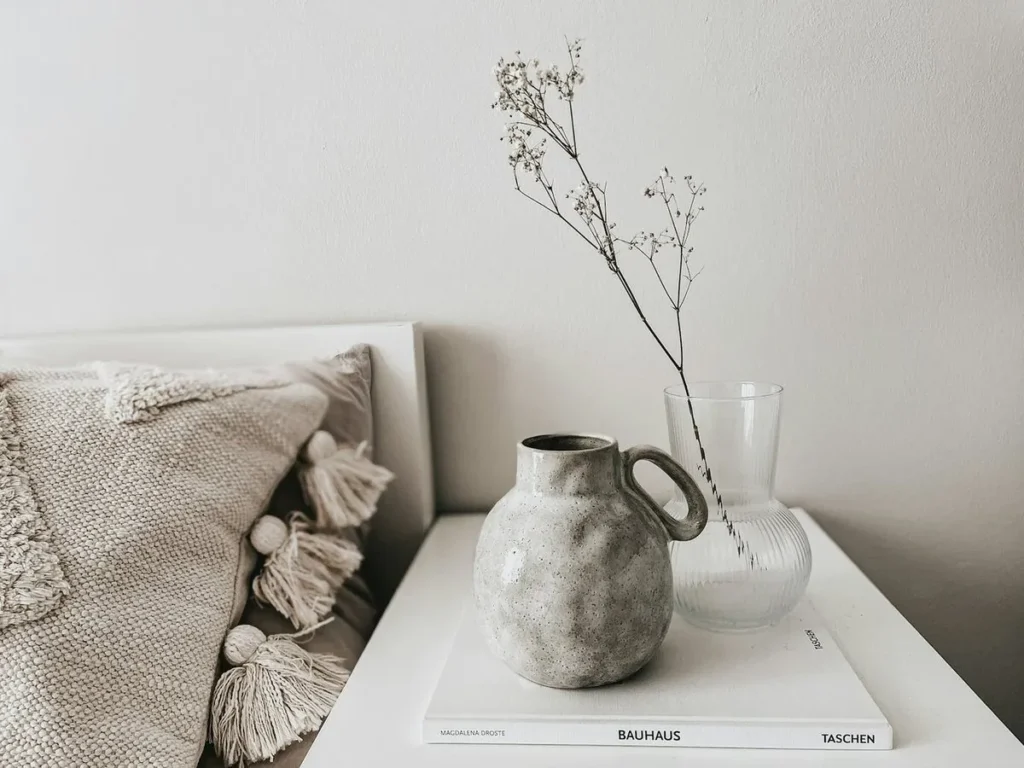
Linen, wool, wood and stone stop minimalist rooms feeling flat. Texture adds interest without adding objects.
Try a bouclé chair, a chunky wool throw, a jute rug, a linen sofa and a stone or ceramic vase. Mixing rough and smooth surfaces makes a simple room feel rich.
5. Hide Storage
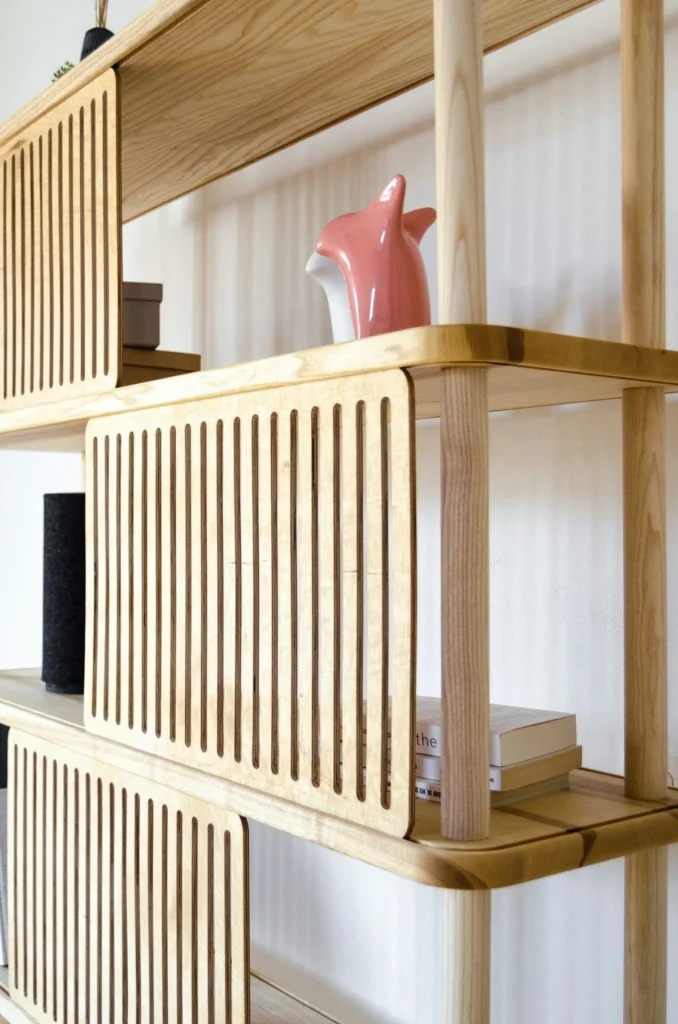
Closed cabinets and built-ins keep everyday clutter out of sight. Flat-front cupboards, lidded baskets and drawers are better than open shelving for everyday items.
Give everything a home, so putting things away is quick. See small space storage ideas.
6. Pick One Statement Piece
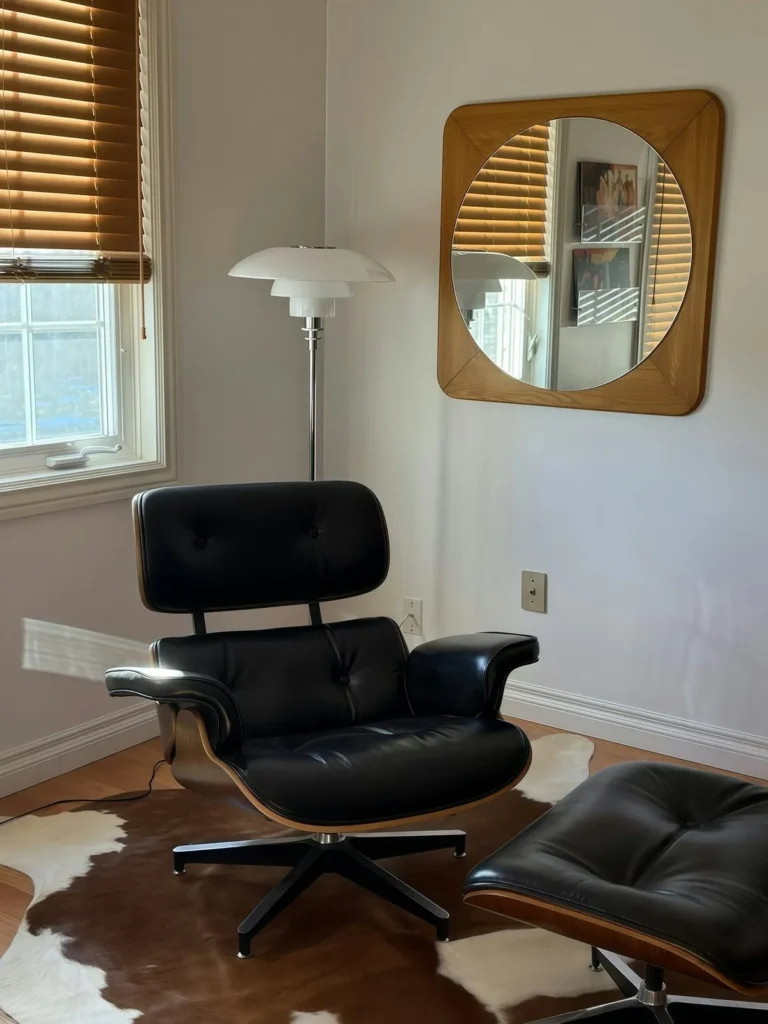
One sculptural chair, a large artwork or a striking light fixture gives the room focus. In a minimalist room, a single strong piece has more impact than several smaller ones.
Choose something with interesting shape, material or craftsmanship.
7. Embrace Negative Space
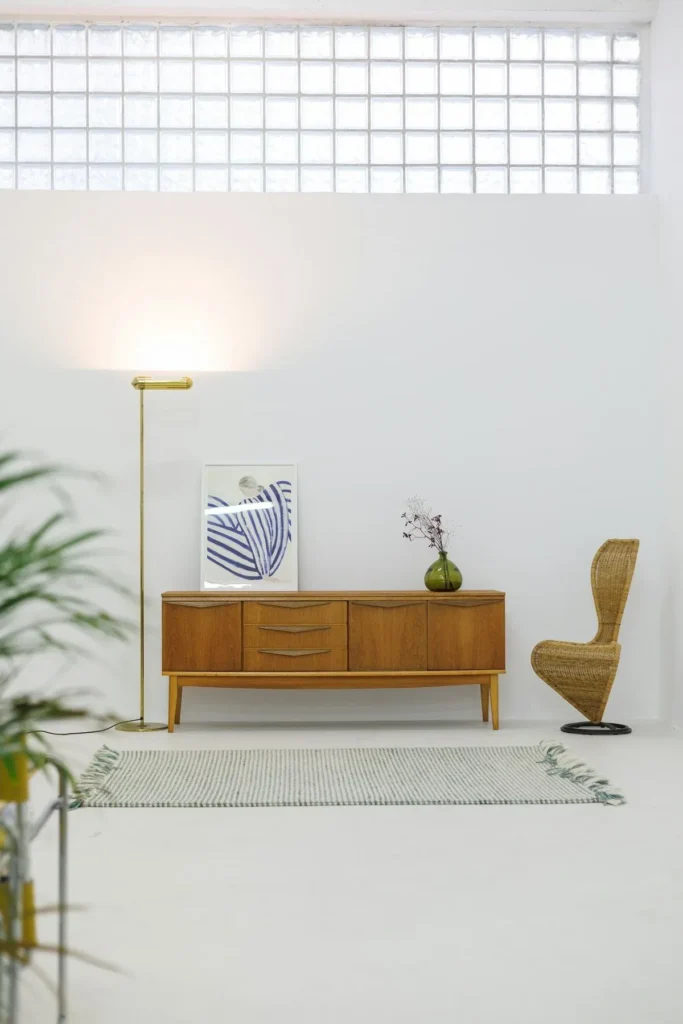
Empty wall and floor space is part of the design. It lets the eye rest and makes the pieces you keep stand out.
Resist the urge to fill every wall or corner. A single piece of art on a large wall can be more striking than a full gallery.
8. Let Natural Light In

Minimal window treatments let light become a design element. Use sheer linen curtains, simple roller blinds or no window treatments at all where privacy allows.
Light falling across a clear floor or a bare wall becomes part of the room’s beauty.
9. Add One or Two Plants
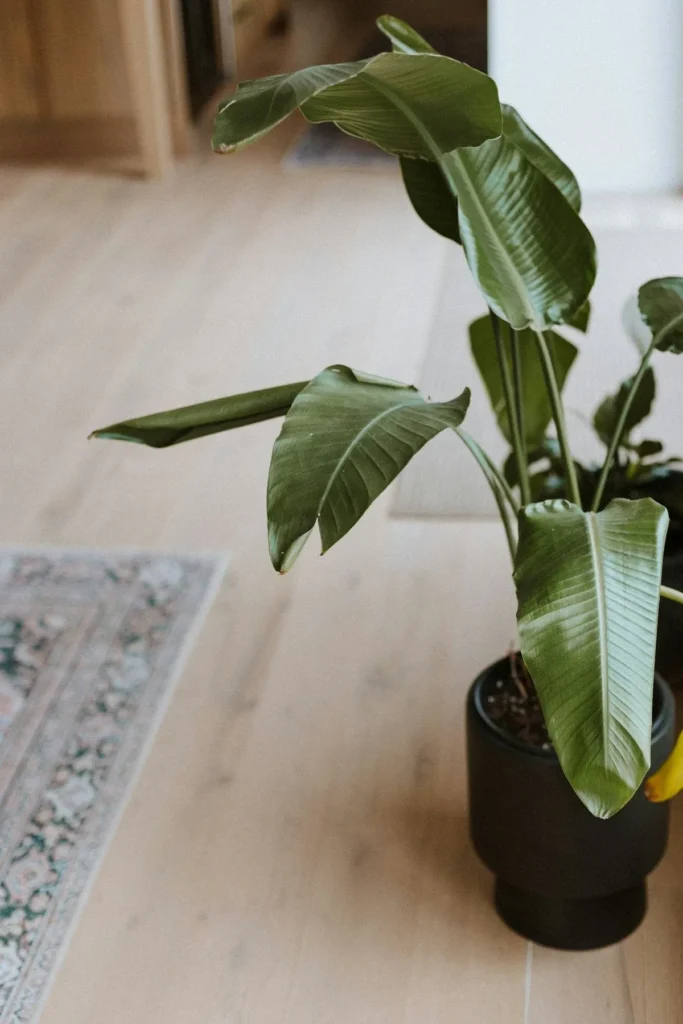
A single sculptural plant adds life without clutter. An olive tree, fiddle-leaf fig, snake plant or a branch in a vase all suit minimalist rooms.
Choose simple pots in ceramic, terracotta or stone.
10. Keep Decor Meaningful
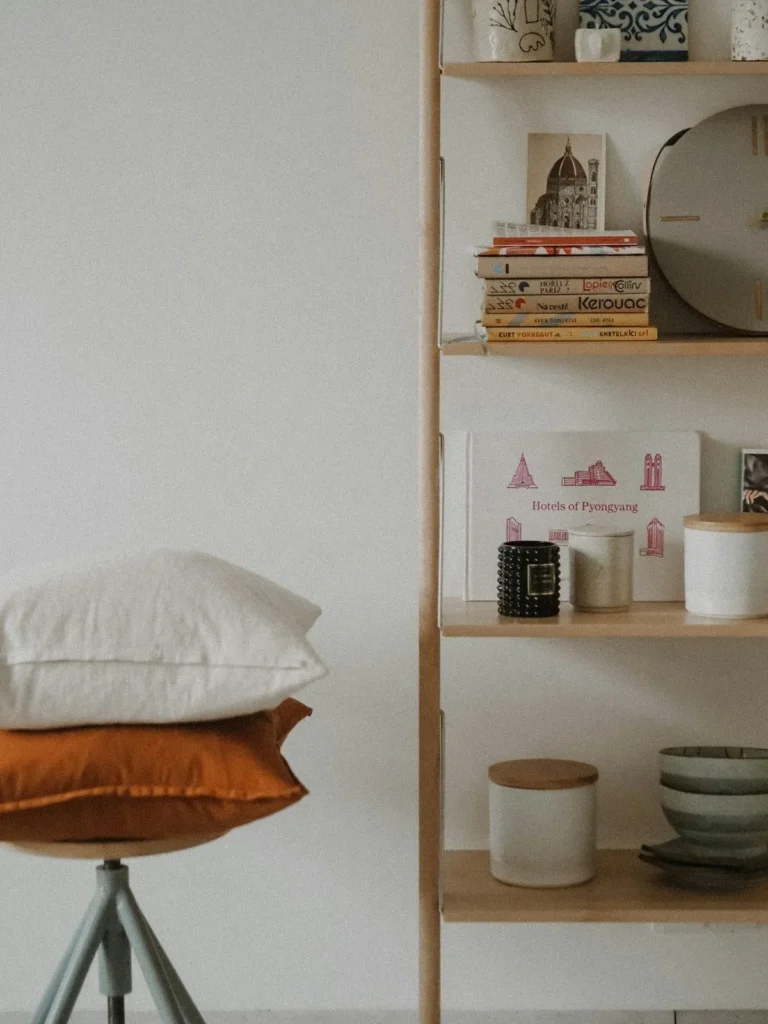
Display a few personal objects you truly love: a handmade bowl, a favorite book, a piece from a trip. Fewer objects means each one gets noticed.
Rotate your display occasionally, storing some pieces and bringing out others.
Minimalism Room by Room
- Living room: one comfortable sofa, a simple coffee table, a rug and a single artwork.
- Bedroom: a bed with simple linen bedding, one nightstand each and closed storage.
- Kitchen: clear counters, matching jars and one or two useful, beautiful tools on display.
- Bathroom: matching dispensers, white towels and a single plant.
- Entryway: a slim shelf, a mirror and hooks for daily coats only.
How to Keep a Minimalist Home Tidy
- Do a five-minute reset every evening.
- Use a “one in, one out” rule for new purchases.
- Declutter each season.
- Keep a donation bag in a closet for things you no longer need.
Frequently Asked Questions
How do I make a minimalist home feel warm?
Use warm neutrals, natural textures like wood and linen, warm lighting and a few personal pieces.
What is warm minimalism?
Minimalism softened with natural materials, texture and warm colors.
How do I start decorating minimally?
Begin by decluttering one room, then choose a neutral palette, add texture and keep only a few meaningful decor pieces.
Can a family home be minimalist?
Yes. Focus on good storage, durable materials and a daily reset, and let children’s things have their own labeled baskets.
Final Thoughts
Warm minimalism is about choosing fewer, better things and giving them space. Edit ruthlessly, use a neutral palette with plenty of texture, hide storage and pick one statement piece per room. Let in natural light and keep decor meaningful. The result is a calm home that is easy to keep tidy.
See Scandinavian decor ideas, Japandi decor ideas, interior design styles and small space decorating ideas.
Leave a Reply