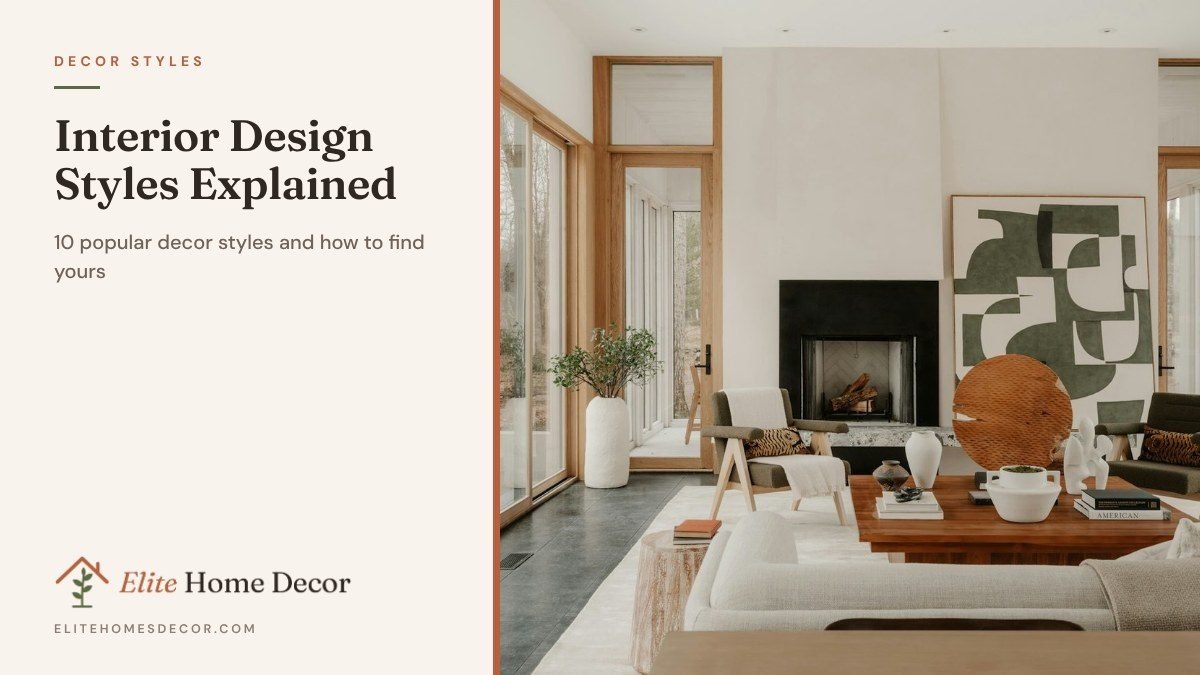
Knowing your decor style makes every buying decision easier. Once you can name the look you love, you stop buying random pieces that never quite go together, and you start building rooms that feel calm, personal and finished.
Below are 10 popular interior design styles, what defines each one, the colors and materials to look for, and a simple way to discover which suits you. Most homes are a mix of two styles, and that is perfectly fine.
How to Find Your Style
Before you read through the styles, spend 20 minutes gathering inspiration.
- Save 20 to 30 room photos you love on Pinterest or in a folder on your phone. Don’t think too hard; save anything that makes you stop scrolling.
- Look for patterns. Note the colors, woods, metals, fabrics and furniture shapes that keep repeating.
- Notice what you avoid. If you never save rooms with bold patterns or glossy finishes, that tells you as much as what you do save.
- Compare with the styles below. Most people find one main style and one accent style.
It also helps to look at what you already own. The pieces you have kept the longest, and still love, are usually the best clue to your style.
1. Modern
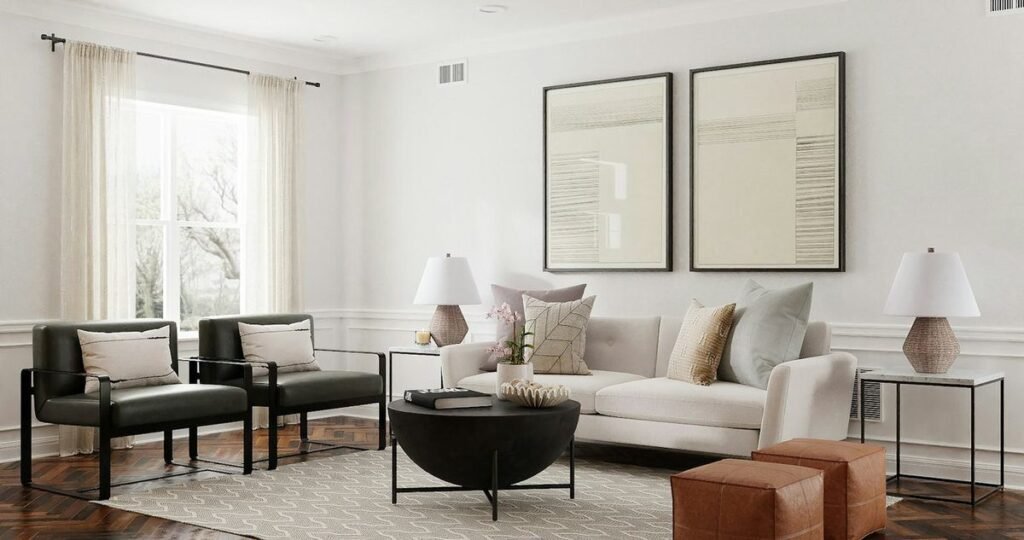
Modern design is about clean lines, a neutral palette and very little ornament. Furniture has simple, geometric shapes, and materials such as metal, glass, lacquer and smooth wood give rooms a crisp, uncluttered feel.
- Colors: white, black, grey and beige, with occasional bold accents.
- Materials: metal, glass, leather, smooth wood and stone.
- Key pieces: a low, track-arm sofa, a glass or stone coffee table and large-scale abstract art.
Modern is often confused with contemporary. Modern refers to a fixed style rooted in the 20th century, while contemporary simply means whatever is current.
2. Minimalist
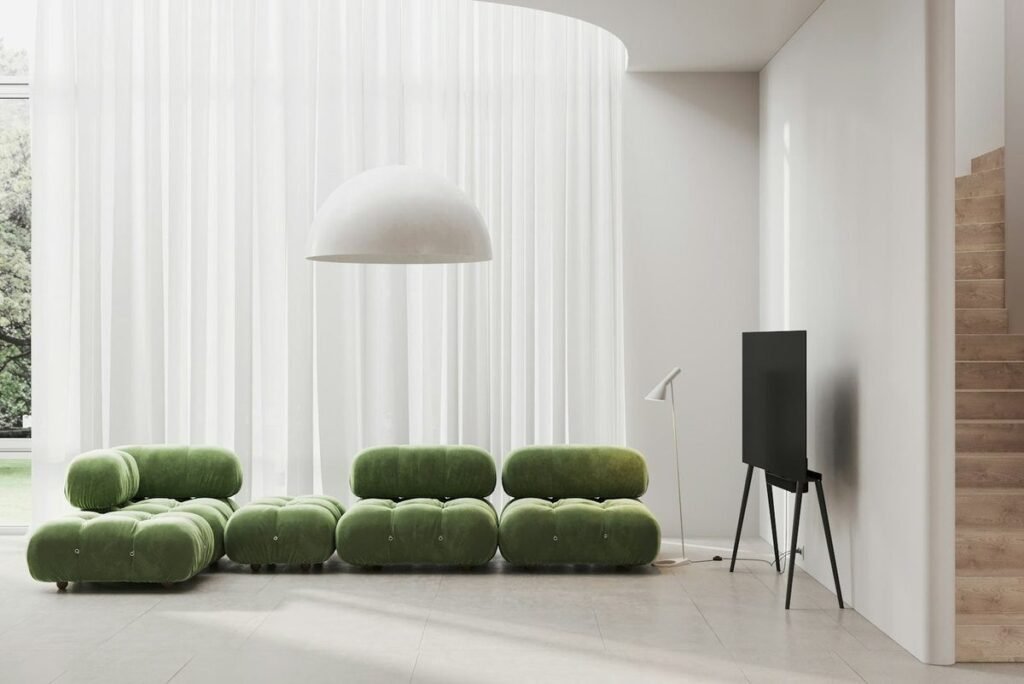
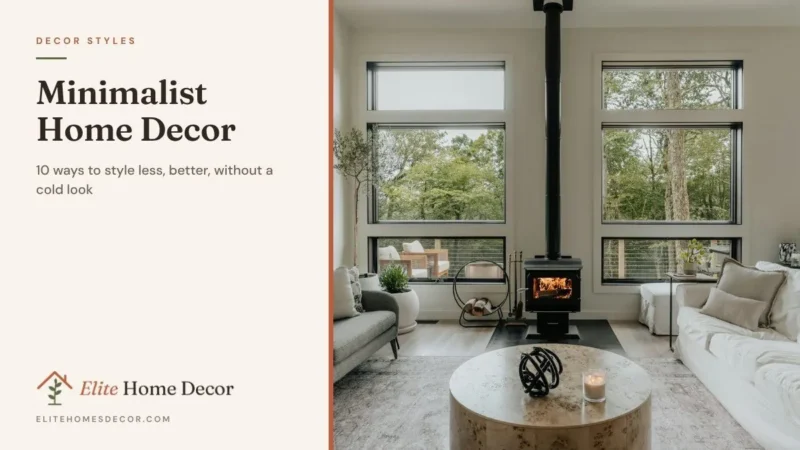
Minimalism means fewer, carefully chosen pieces, a calm palette and lots of open space. Every item has a purpose, surfaces stay mostly clear and storage is hidden. The result is a room that feels restful and easy to clean.
- Colors: white, cream, soft grey and natural wood.
- Materials: matte finishes, natural wood, linen and stone.
- Key pieces: simple furniture, closed storage and one or two statement objects.
See minimalist home decor for practical ways to live with less.
3. Scandinavian
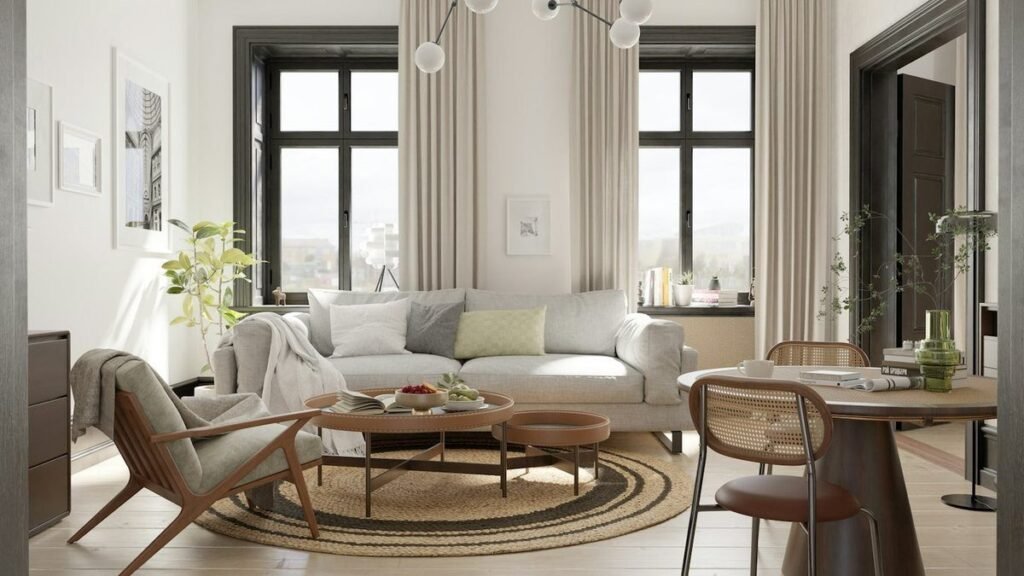
Scandinavian design combines light woods, white walls, cozy textiles and plenty of daylight. It grew out of long, dark Nordic winters, so it values comfort and warmth as much as simplicity.
- Colors: white, pale grey, soft blue and natural wood.
- Materials: pale oak, ash, birch, wool, sheepskin and linen.
- Key pieces: a light wood dining table, a sheepskin throw and simple pendant lights.
See Scandinavian decor ideas for ways to bring this look home.
4. Japandi
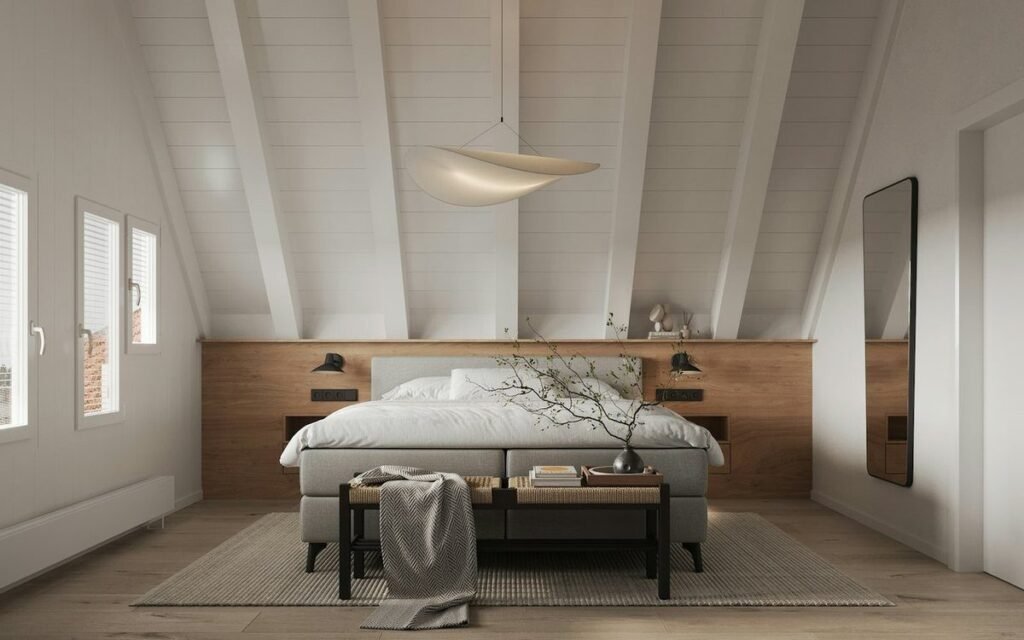
Japandi blends Japanese and Scandinavian design: low furniture, natural materials and muted, earthy tones. It takes the calm and craftsmanship of Japanese interiors and the coziness of Scandinavian homes.
- Colors: warm white, sand, clay, charcoal and olive.
- Materials: darker woods, bamboo, paper, stone, linen and handmade ceramics.
- Key pieces: a low platform bed, a paper lantern and a few handmade vases.
See Japandi decor ideas for more.
5. Modern Farmhouse
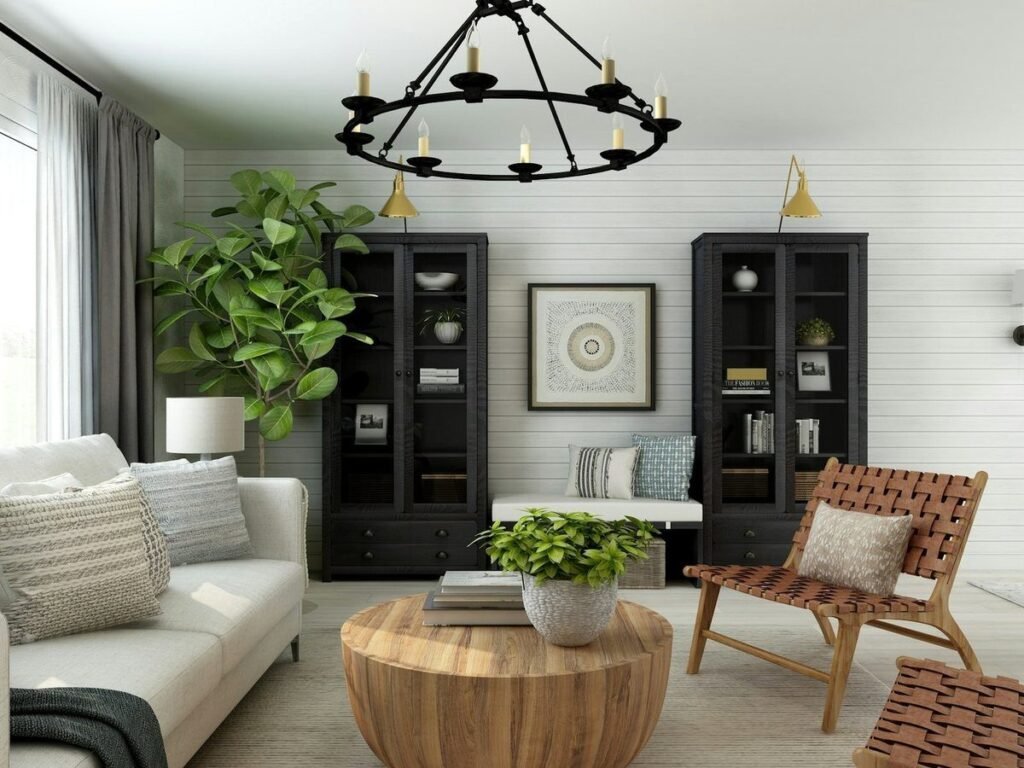
Modern farmhouse pairs warm wood, shiplap and black metal accents with comfortable, practical furniture. It feels relaxed and welcoming, with a slightly rustic edge that stays clean rather than cluttered.
- Colors: white, cream, warm grey, black and natural wood.
- Materials: reclaimed wood, shiplap, black iron, galvanized metal and linen.
- Key pieces: a farmhouse dining table, a slipcovered sofa and black-framed windows or mirrors.
See modern farmhouse decor ideas.
6. Boho
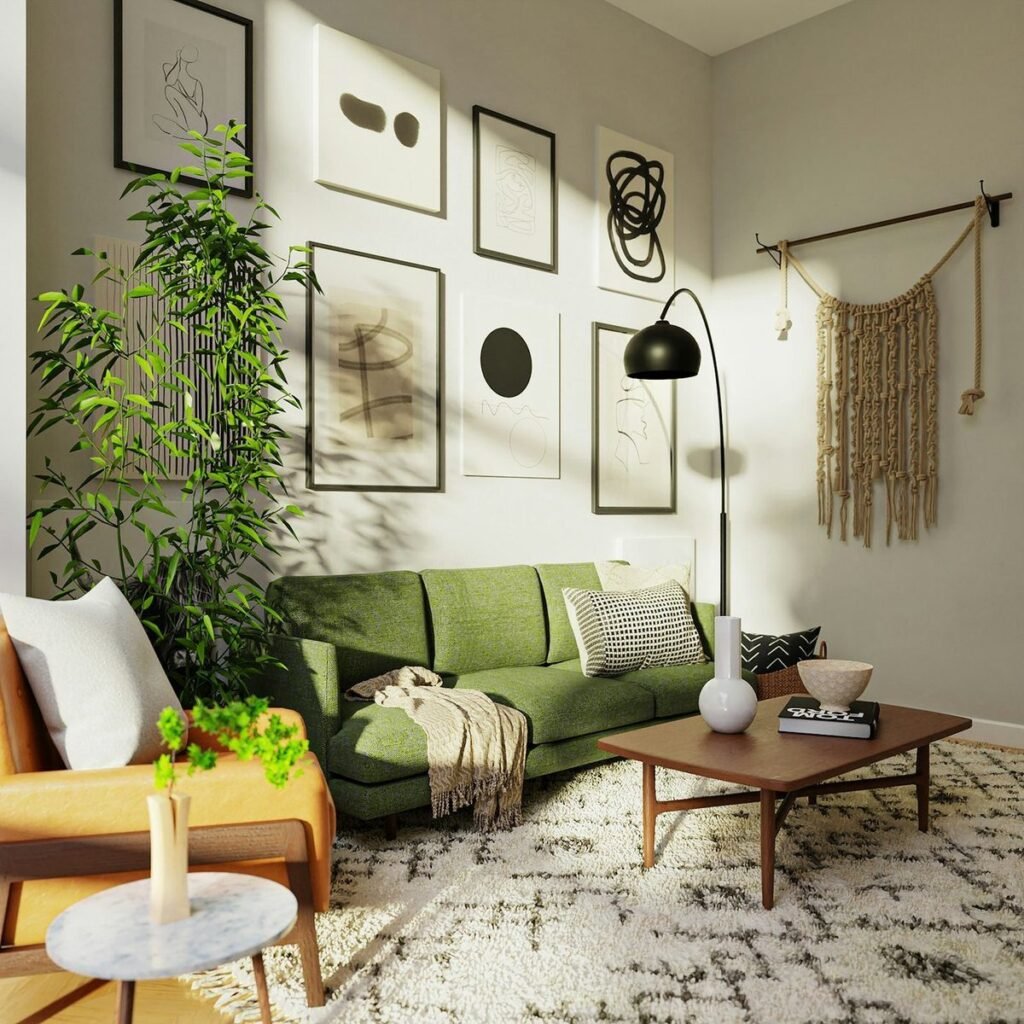
Boho, short for bohemian, is about layered patterns, rattan, plants, global textiles and a relaxed, collected feel. It looks like the home of someone who has traveled and picked up pieces along the way.
- Colors: terracotta, mustard, rust, cream and green.
- Materials: rattan, macramé, jute, kilim rugs and lots of plants.
- Key pieces: a rattan chair, a patterned rug and a wall of plants.
See boho decor ideas for ways to keep it relaxed rather than messy.
7. Coastal
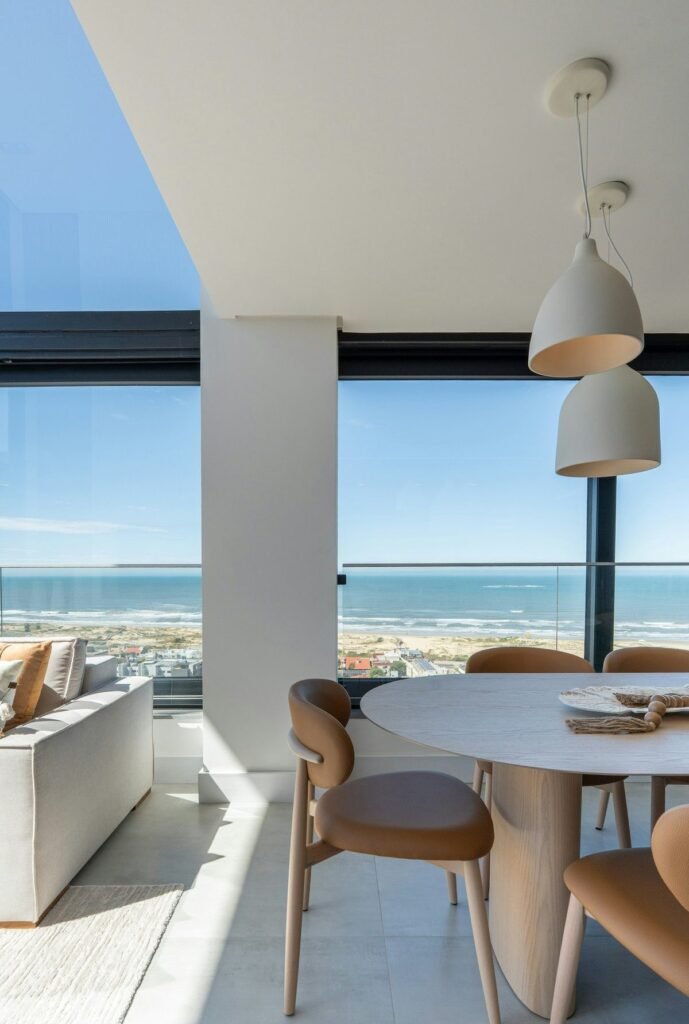
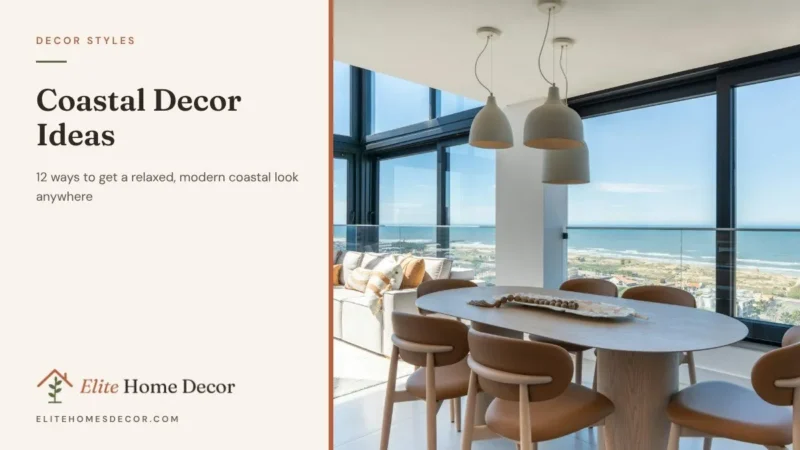
Coastal style uses airy whites, soft blues, natural linen and woven textures to bring a breezy, seaside feel indoors. The modern version avoids theme-park clichés such as anchors and “beach” signs, and focuses on light, texture and calm color instead.
- Colors: white, sand, soft blue and seafoam.
- Materials: linen, cotton, jute, rattan and whitewashed wood.
- Key pieces: a slipcovered sofa, a jute rug and sheer curtains.
See coastal decor ideas.
8. Traditional
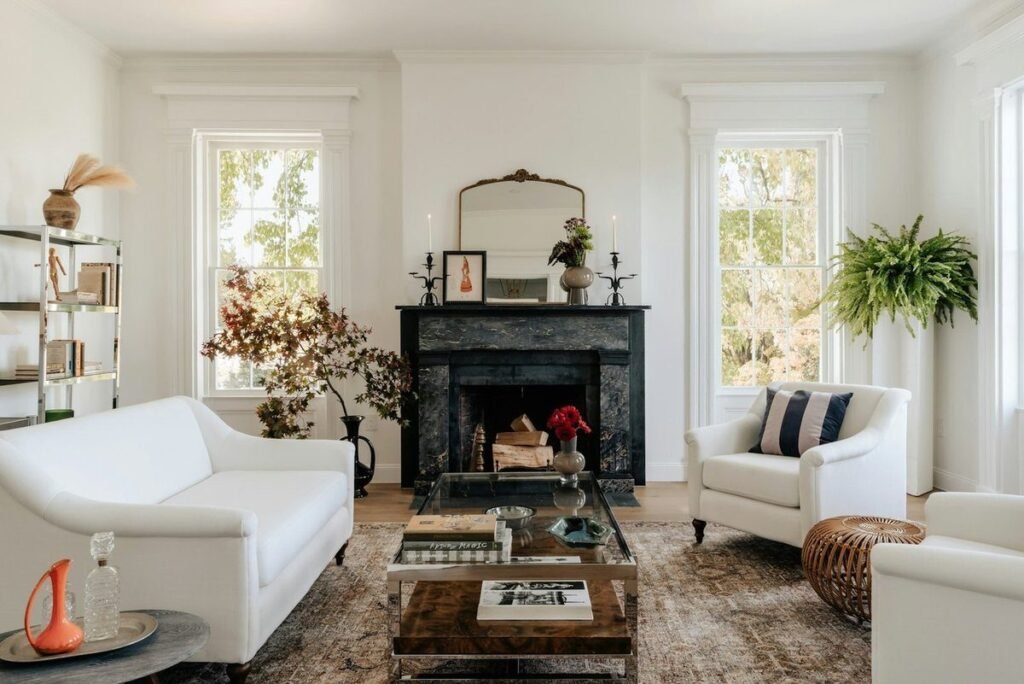
Traditional design draws on classic European furniture: symmetry, rich woods, patterned fabrics and timeless details such as crown molding and wing chairs. It feels elegant, comfortable and established.
- Colors: deep blue, burgundy, forest green, cream and gold.
- Materials: dark polished wood, damask, chintz, velvet and brass.
- Key pieces: a rolled-arm sofa, matching table lamps and an Oriental rug.
A softer version, often called transitional, mixes traditional shapes with modern neutral colors.
9. Mid-Century Modern
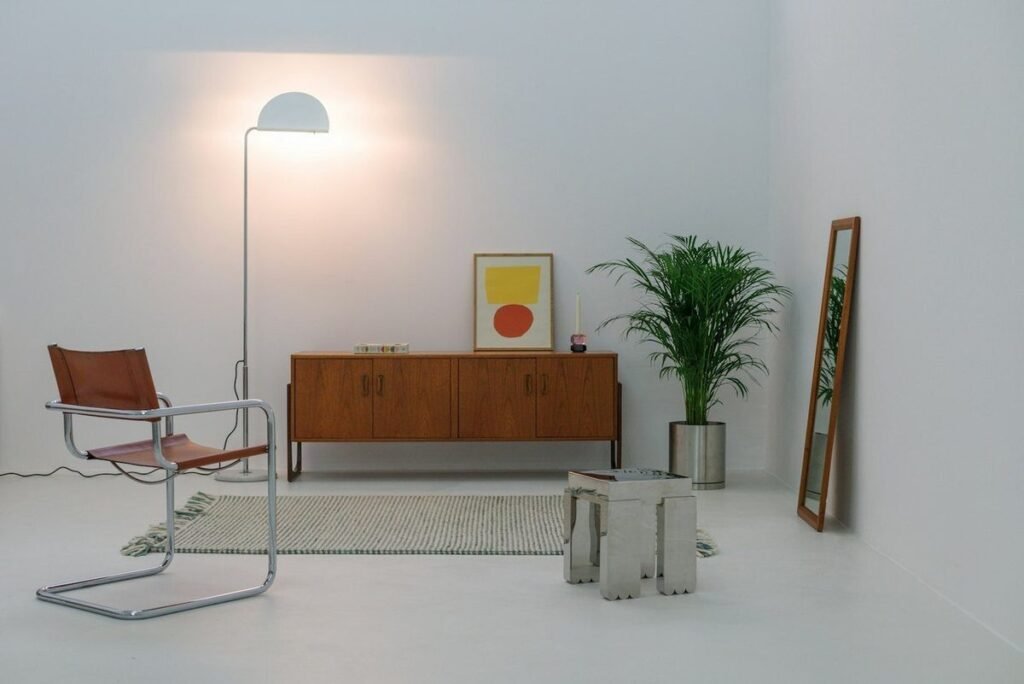
Mid-century modern is defined by tapered legs, organic curves, warm teak and bold accent colors from the 1950s and 1960s. It is practical, comfortable and full of character.
- Colors: mustard, teal, orange, olive and walnut brown.
- Materials: teak, walnut, molded plywood, brass and wool.
- Key pieces: a low sideboard, an iconic lounge chair and a sputnik or globe pendant.
10. Art Deco
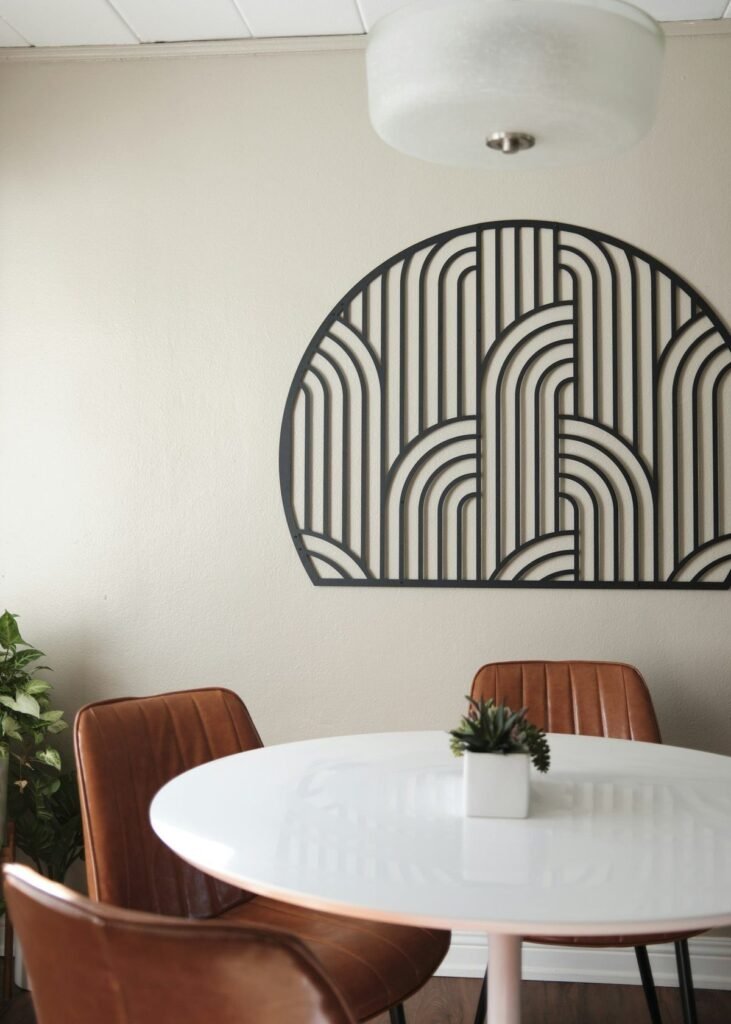
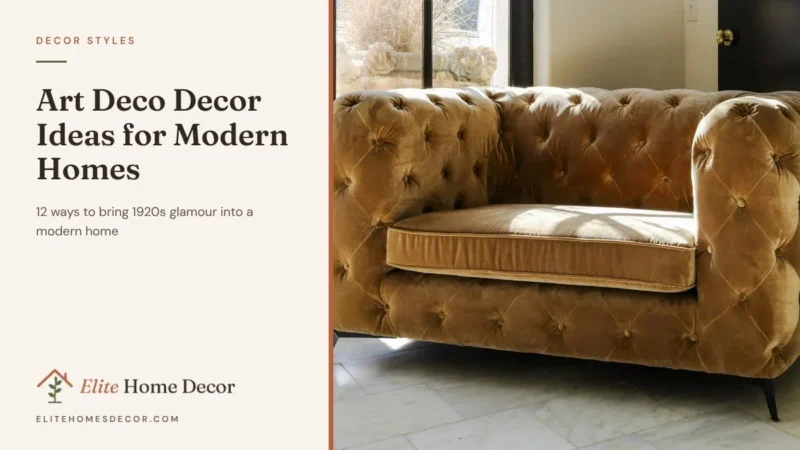
Art Deco brings geometric patterns, brass, velvet and glamorous curves. It began in the 1920s and has returned in a softer form. Pinterest’s 2026 trend report highlighted a “Neo Deco” revival (Apartment Therapy).
- Colors: emerald, navy, black, gold and blush.
- Materials: brass, velvet, marble, lacquer and mirrored glass.
- Key pieces: a curved velvet sofa, a fluted side table and a sunburst mirror.
See Art Deco decor ideas.
Styles at a Glance
| Style | Feels | Key materials |
|---|---|---|
| Modern | Crisp, clean | Metal, glass, smooth wood |
| Minimalist | Calm, uncluttered | Matte finishes, natural wood |
| Scandinavian | Light, cozy | Pale wood, wool, linen |
| Japandi | Serene, earthy | Dark wood, paper, ceramics |
| Modern Farmhouse | Warm, practical | Reclaimed wood, black iron |
| Boho | Relaxed, collected | Rattan, jute, plants |
| Coastal | Breezy, airy | Linen, jute, whitewashed wood |
| Traditional | Elegant, classic | Dark wood, velvet, brass |
| Mid-Century Modern | Retro, warm | Teak, walnut, wool |
| Art Deco | Glamorous, bold | Brass, velvet, marble |
How to Mix Two Styles
Mixing two styles gives a home personality, but it works best with a plan.
- Choose one main style for about 80% of the room, and use the second style for the remaining 20%.
- Repeat colors across both styles so they feel connected.
- Repeat one material, such as natural wood or brass, in several places.
- Popular pairings include Scandinavian with boho, modern with farmhouse, and Japandi with minimalist.
Frequently Asked Questions
How do I find my interior design style?
Save photos you love, look for repeating colors and materials, and compare them with common styles. The pieces you have loved the longest are also a good clue.
Can I mix two decor styles?
Yes. Pick one main style and one accent style, and repeat colors and materials to tie them together.
What is the most popular interior design style?
Modern, Scandinavian, Japandi and modern farmhouse are all widely popular. The best style is the one that suits how you live.
What is the difference between modern and contemporary?
Modern is a specific 20th-century style with clean lines and little ornament. Contemporary describes whatever is current right now.
Which style is best for a small home?
Scandinavian, minimalist and Japandi suit small homes well, because they use light colors, simple furniture and plenty of open space.
Final Thoughts
Knowing your decor style makes every buying decision easier. Look at the rooms you save, notice the colors and materials you keep choosing, and compare them with styles such as Scandinavian, Japandi, modern farmhouse, boho and mid-century. Most homes blend two styles, so choose a main one and borrow details from another.
Start decorating with how to decorate your home, or browse the Decor Styles category.
Leave a Reply