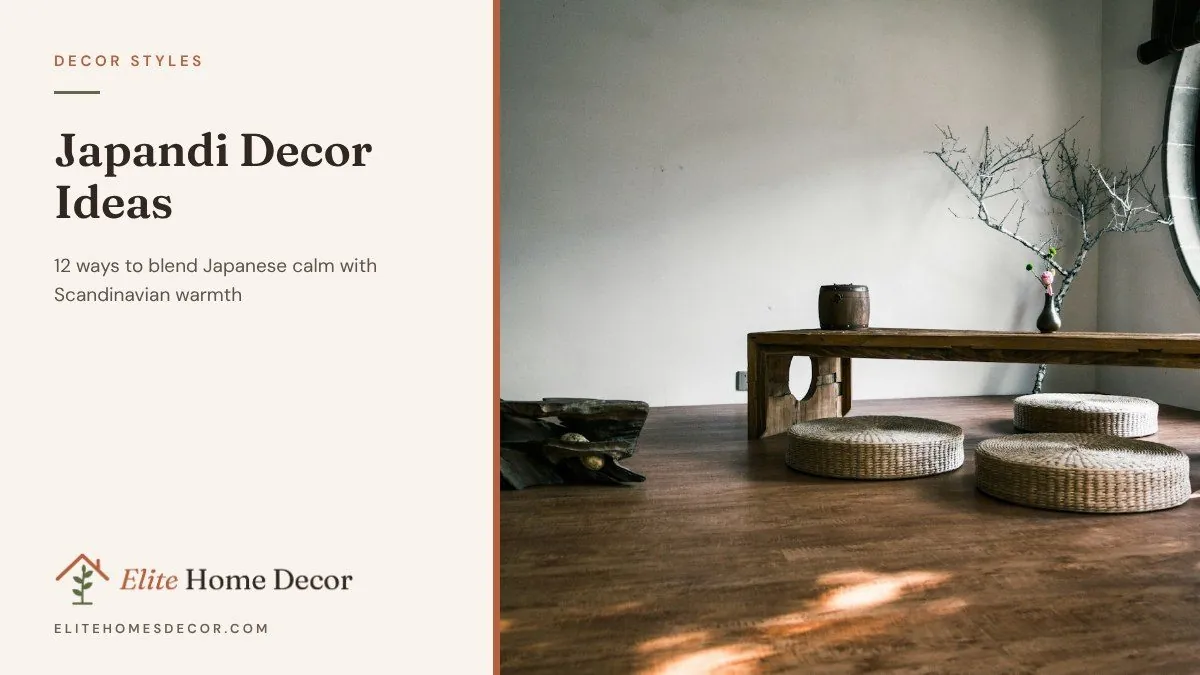
Japandi is a blend of Japanese and Scandinavian design. From Japan it takes calm, simplicity and an appreciation for natural, imperfect materials. From Scandinavia it takes warmth, comfort and practical, light-filled rooms. The result is a home that feels peaceful and uncluttered, but never cold.
These 12 Japandi decor ideas show you how to create the look in any room, starting with what you already have.
What Makes a Room Japandi?
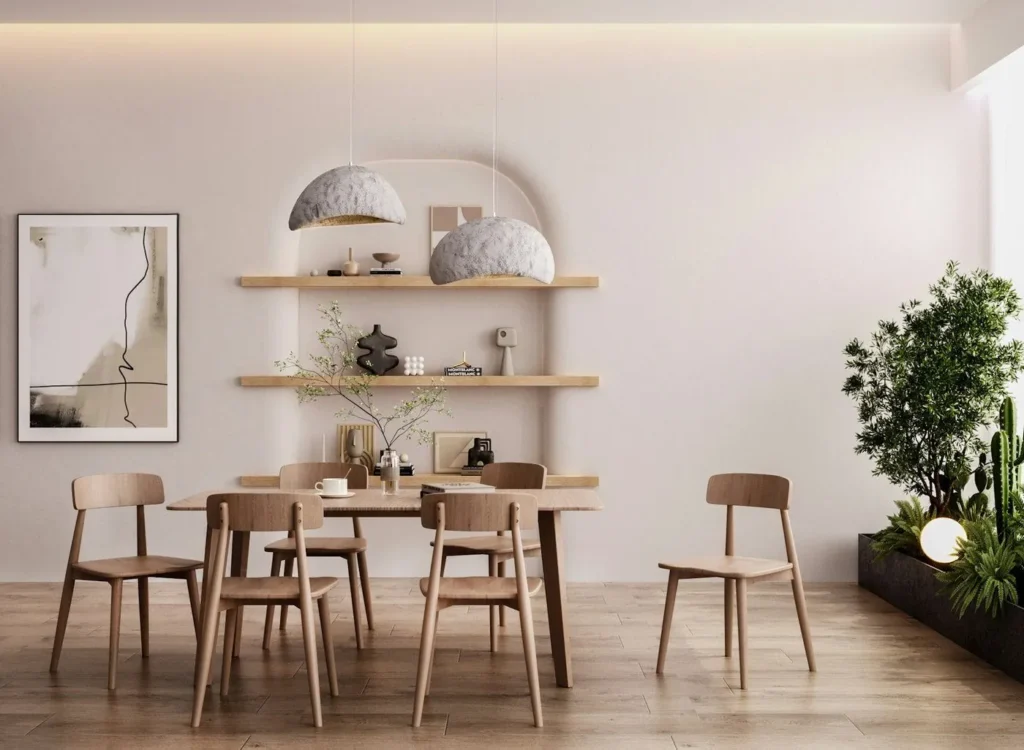
- A warm, muted palette: soft white, beige, greige, clay and charcoal.
- Natural materials: wood, linen, cotton, paper, stone and clay.
- Clean lines and low furniture, often with softly rounded edges.
- Less, but better: fewer objects, each chosen with care.
- Imperfection welcomed: handmade ceramics and natural grain.
If you love Scandi style but want something calmer and more grounded, Japandi is a natural next step.
1. Start by Decluttering
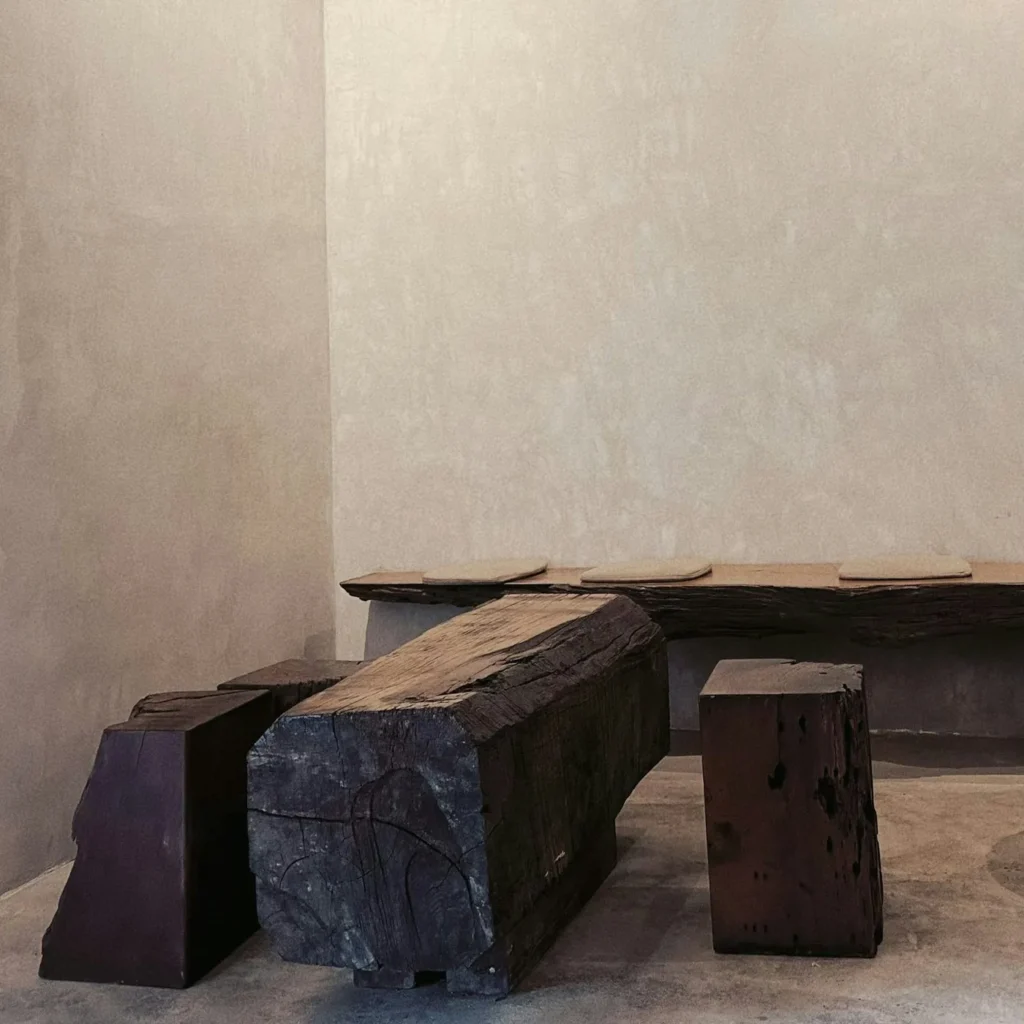
Japandi depends on space. Before buying anything, clear surfaces, put away everyday clutter and keep only what you use or love. Closed storage is your friend. Our guide to a minimalist home has a step-by-step decluttering approach.
2. Choose a Warm Neutral Palette
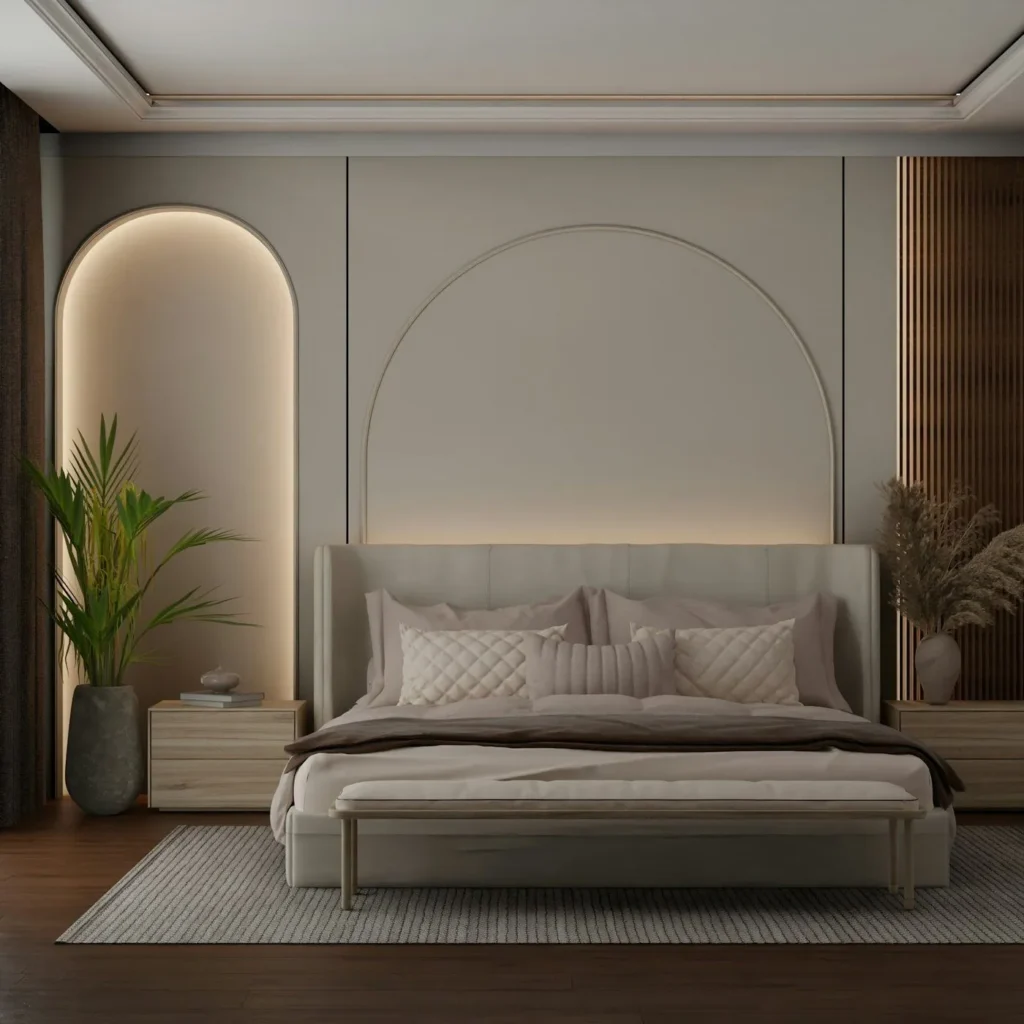
Paint walls in warm white, soft beige or greige rather than bright white. Add depth with earthy accents such as clay, terracotta, moss green and charcoal. The palette should feel calm and natural, with contrast coming from darker woods and black accents.
3. Pick Low-Profile Furniture
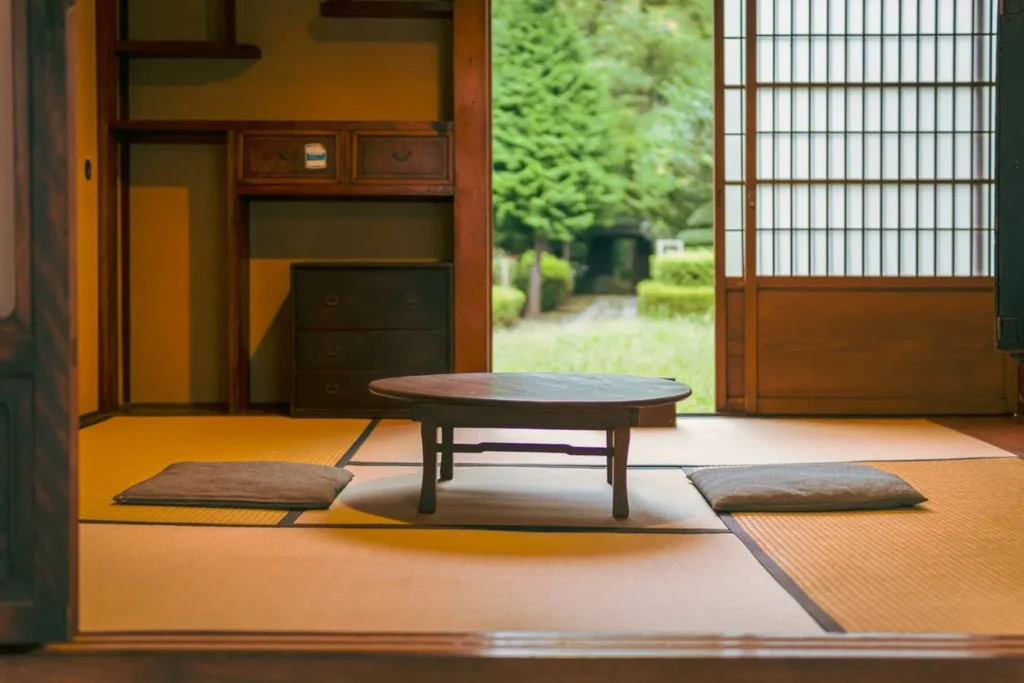
Low sofas, platform beds and low coffee tables are typical of Japanese interiors. Keeping furniture low makes the ceiling feel higher and the room more open. Choose pieces with simple, clean lines and visible wooden legs.
4. Use Natural Wood
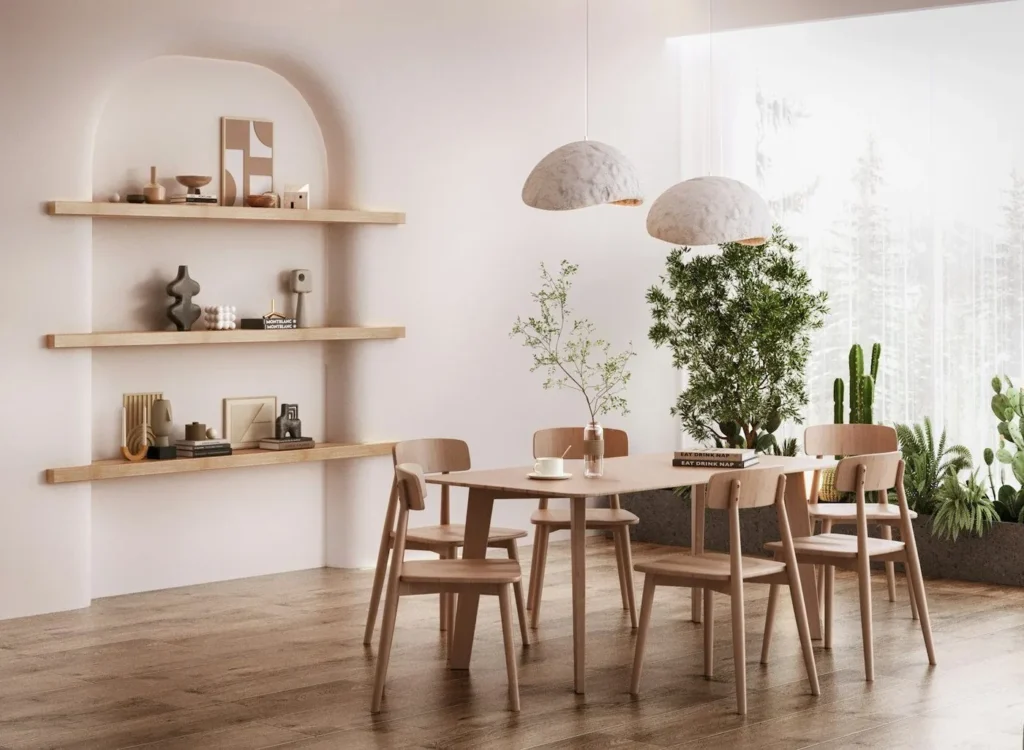
Wood is central to Japandi. Mix light woods such as oak and ash (Scandinavian) with a few darker tones such as walnut or stained wood (Japanese) for contrast. Matte, natural finishes look better than high-gloss ones.
5. Add Handmade Ceramics
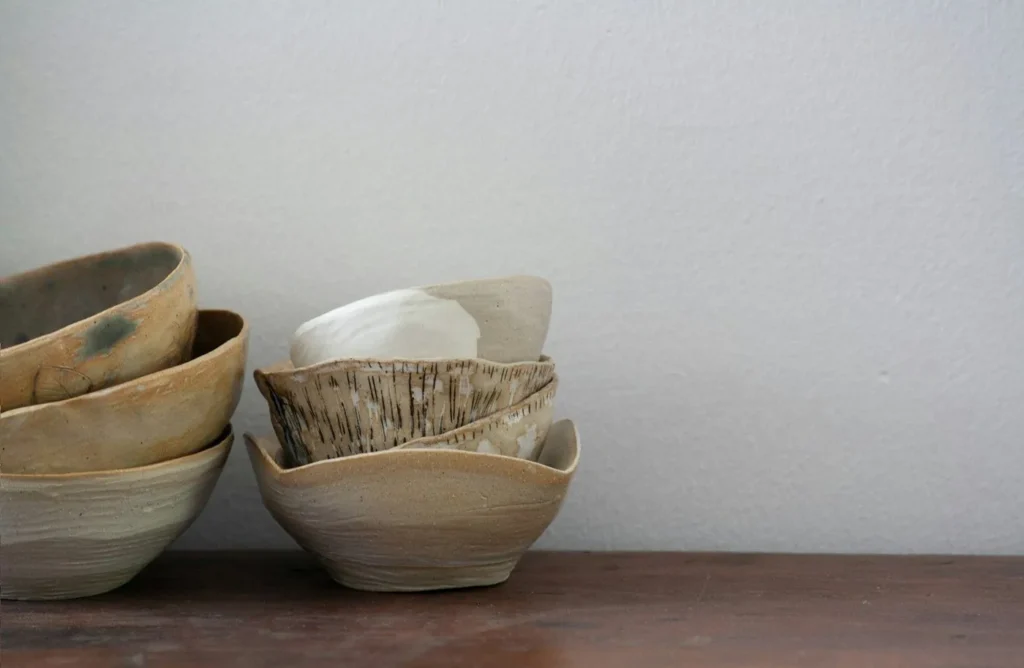
The Japanese idea of wabi-sabi finds beauty in imperfection. Handmade vases, bowls and cups with uneven glazes and visible texture are perfect Japandi accents. Display a few on a shelf or a low table, with space around each one.
6. Use Paper and Linen Lighting
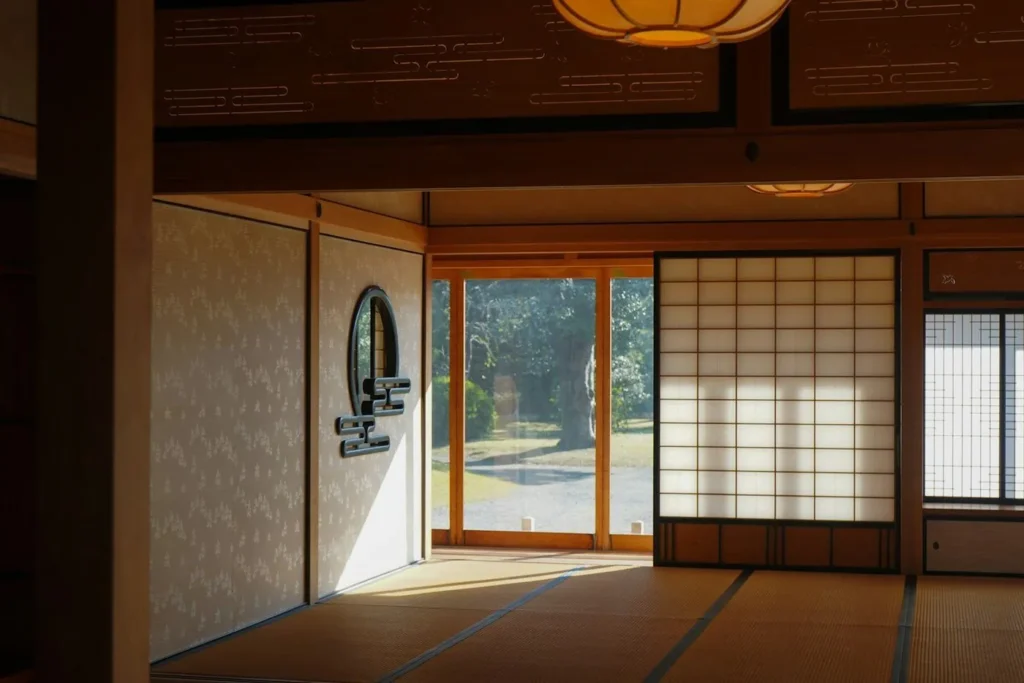
Paper lanterns and lamps with linen or rice-paper shades give a soft, diffused light that suits the style. A large paper pendant over a dining table or a paper floor lamp in a corner is a simple, affordable statement.
7. Layer Natural Textiles
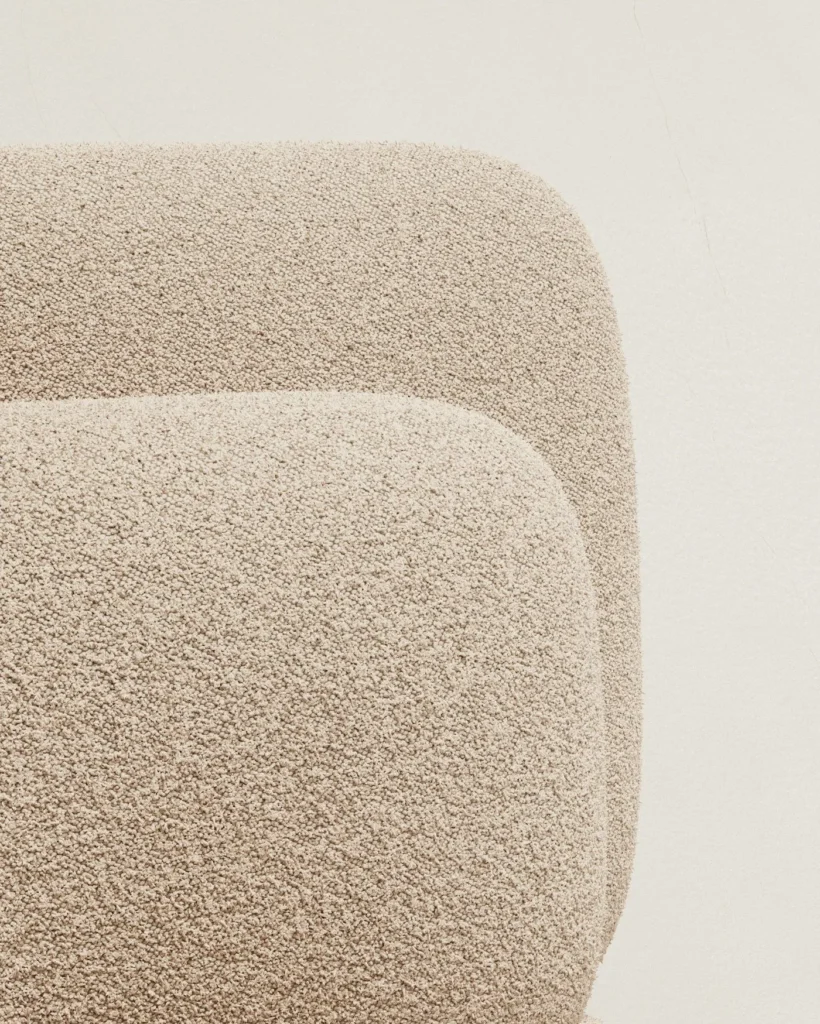
Choose linen, cotton, wool and jute in plain colors. A linen throw on the sofa, a cotton or wool rug and plain linen curtains add softness and warmth. Avoid busy patterns; texture should do the work.
8. Bring In Simple Greenery
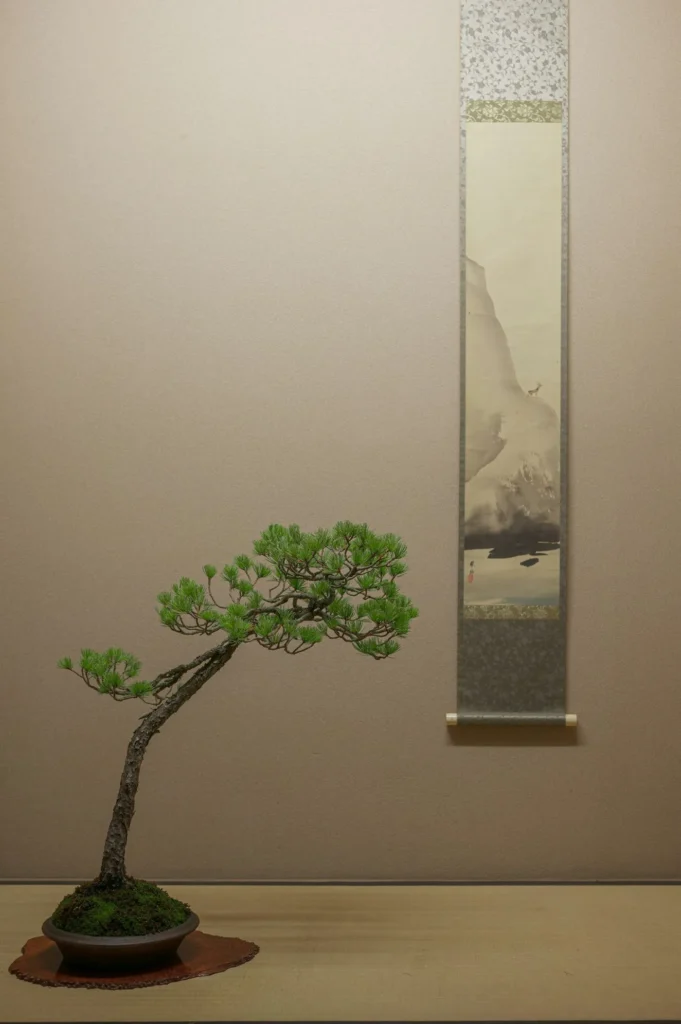
Plants in Japandi rooms are sculptural and few: a single olive tree, a branch of eucalyptus in a ceramic vase, a bonsai or a snake plant. One well-chosen plant has more impact than many small ones.
9. Add Slatted Wood Details
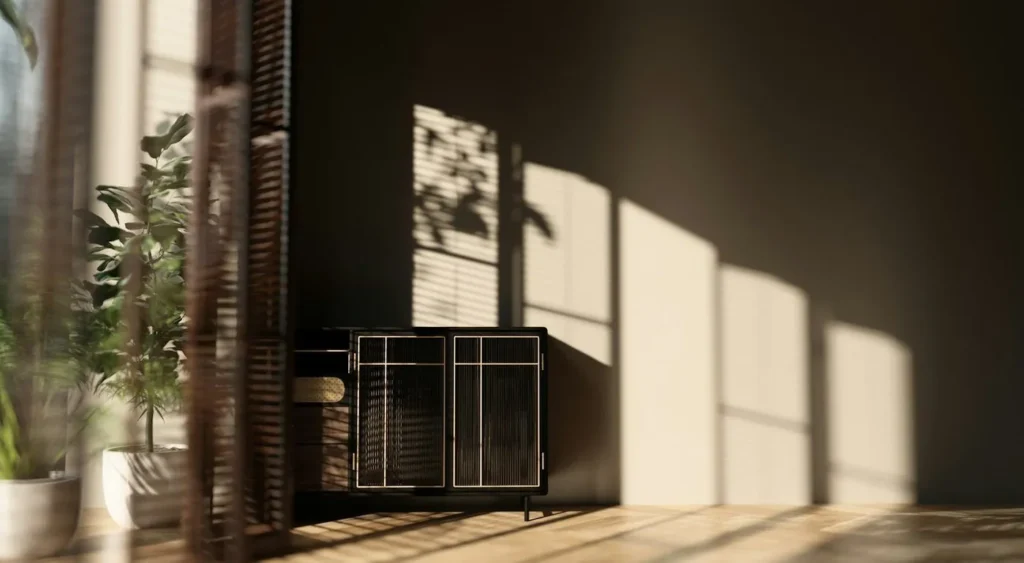
Slatted wood panels, screens and room dividers are a signature Japandi detail. They add texture and a sense of craft, and can divide a room while letting light through.
10. Create a Japandi Living Room
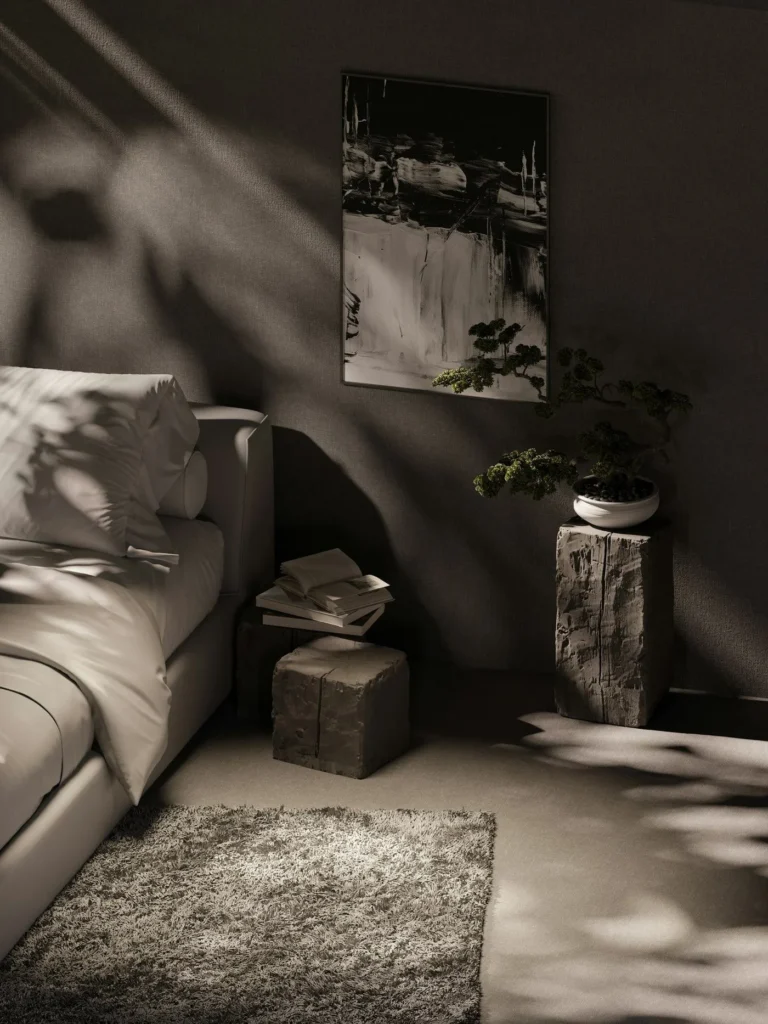
Combine a low linen or bouclé sofa, a natural-wood coffee table, a jute rug, a paper floor lamp and one sculptural plant. Keep the coffee table almost empty: a ceramic bowl and a book are enough.
11. Create a Japandi Bedroom
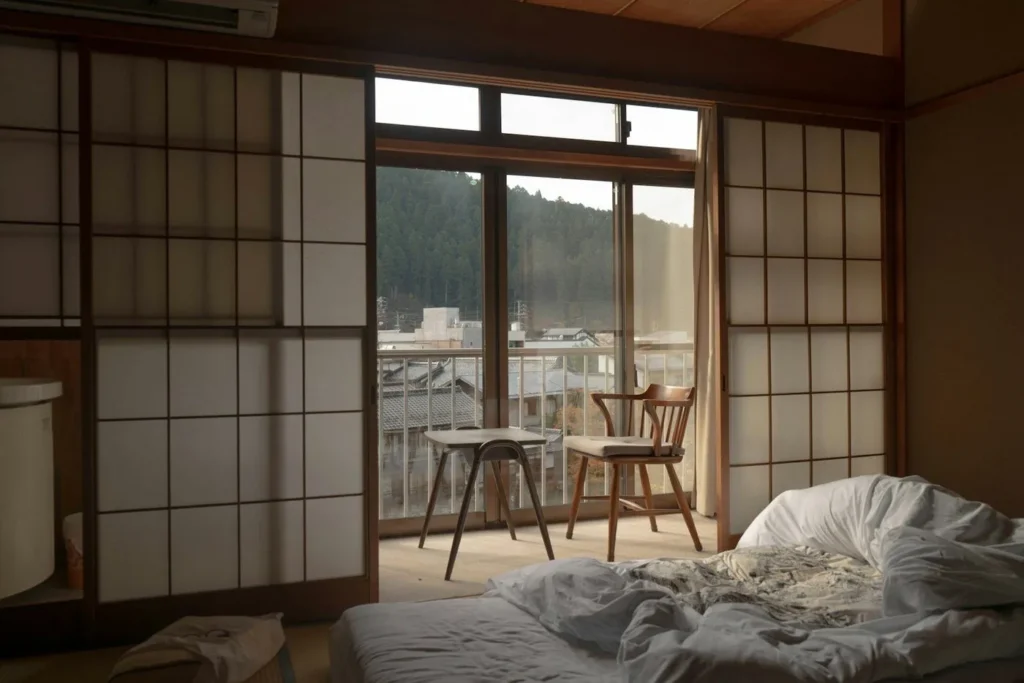
A low platform bed with crisp linen bedding in white, sand or clay is the heart of a Japandi bedroom. Add simple wooden nightstands, a paper lamp and very little else. Keep clothes in closed wardrobes so the room stays calm.
12. Use Black as an Accent
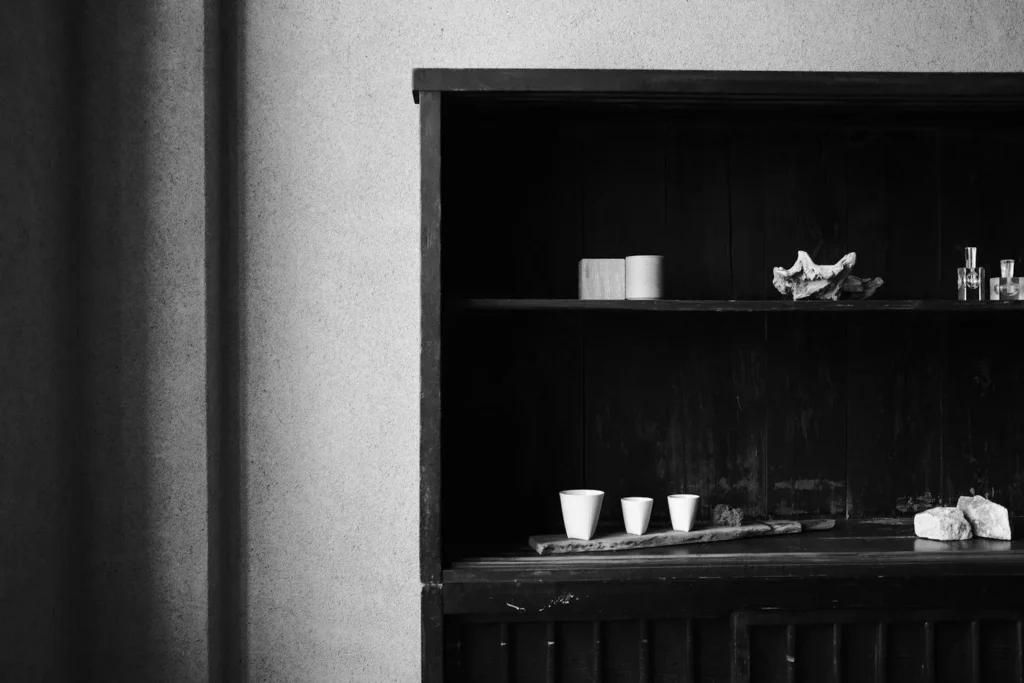
A few black details, such as a black lamp, picture frame, ceramic vase or chair legs, add definition to the soft palette. Japanese design often uses black and dark wood to ground lighter spaces.
Japandi Mistakes to Avoid
- Too many objects. Japandi needs space around each piece.
- Cold, bright whites. Choose warm, soft neutrals.
- Busy patterns. Let texture do the work.
- Only light woods. Add one or two darker wood accents for depth.
Japandi on a Budget
Japandi is more about removing than buying. Declutter first, swap busy textiles for plain linen or cotton, paint walls a warm neutral and add one handmade or natural piece at a time. Thrift stores are full of wooden bowls, ceramics and simple furniture that suit the look.
Frequently Asked Questions
What is Japandi style? A blend of Japanese and Scandinavian design that combines calm minimalism, natural materials and warm, comfortable living.
What colors are used in Japandi decor? Warm whites, beige, greige, clay, terracotta, moss green and charcoal, with black and dark wood accents.
What is the difference between Japandi and Scandinavian style? Scandinavian style is usually lighter and cozier with more textiles, while Japandi is calmer and more minimal, with lower furniture, darker wood accents and an appreciation for imperfect, handmade pieces.
Is Japandi good for small spaces? Yes. Low furniture, a calm palette and minimal decor make small rooms feel open and peaceful.
Final Thoughts
Japandi is about calm, natural and carefully chosen. Start by clearing space, choose a warm neutral palette and low wooden furniture, then add handmade and natural pieces slowly. To compare it with other looks, see our guide to interior design styles.



Leave a Reply