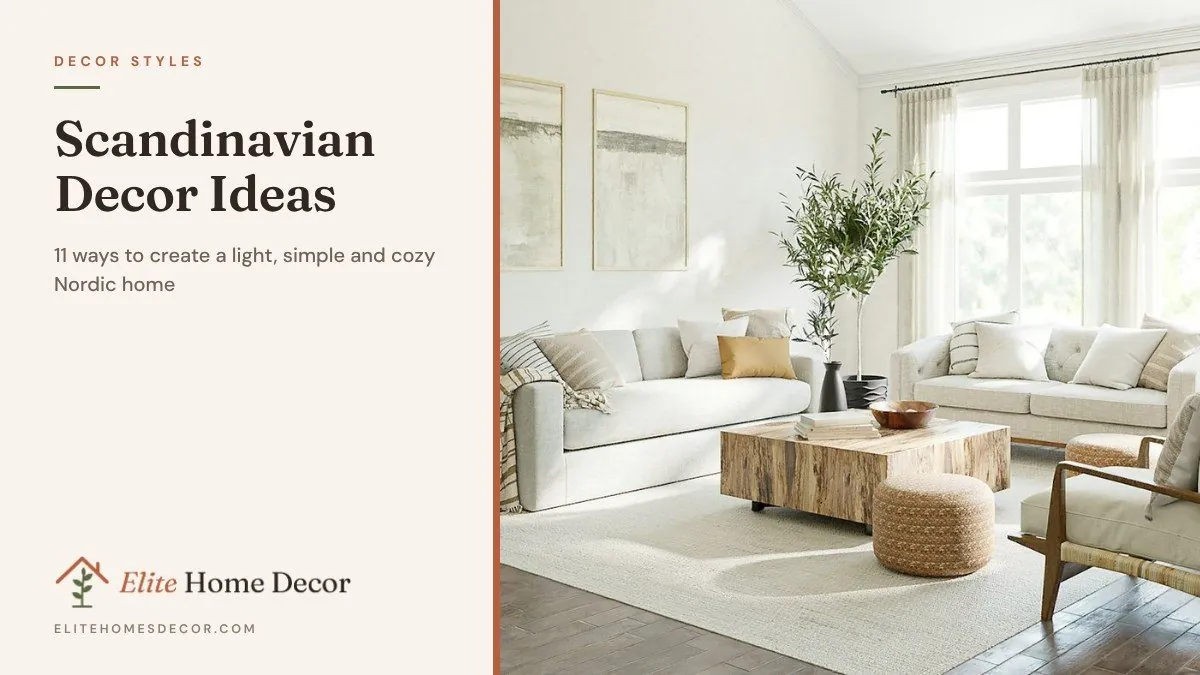
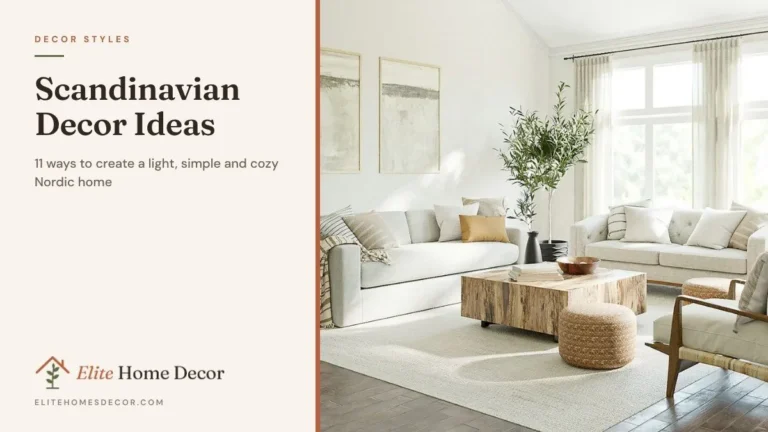
Scandinavian design is light, simple and deeply cozy. It was shaped by long, dark Nordic winters, so it prizes daylight, warm textiles and functional furniture. The result is a home that feels bright and calm by day and warm and inviting by night.
Here is how to bring the Scandi look home, whatever the size of your space.
The Key Elements of Scandinavian Style
- Light: pale walls and clear windows to make the most of daylight.
- Natural materials: light wood, wool, linen and leather.
- Function: simple furniture that is useful and well made.
- Comfort: soft textiles, candles and warm lamps.
- Calm: clutter-free surfaces and a restrained palette.
1. Keep Walls White or Pale

White and soft grey walls maximize daylight. In rooms with cool northern light, choose a warm white so the room doesn’t feel cold.
Pale floors, often whitewashed or light oak, add to the bright, airy feel.
2. Choose Light Woods
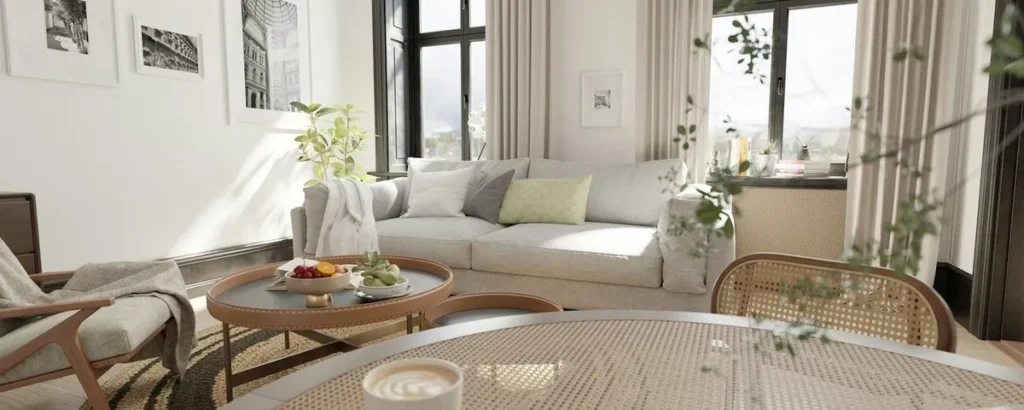
Oak, ash and birch floors and furniture keep rooms bright and warm. Wood adds natural texture and keeps a white room from feeling sterile.
Matte or oiled finishes suit the style better than glossy varnish.
3. Keep Furniture Simple and Functional
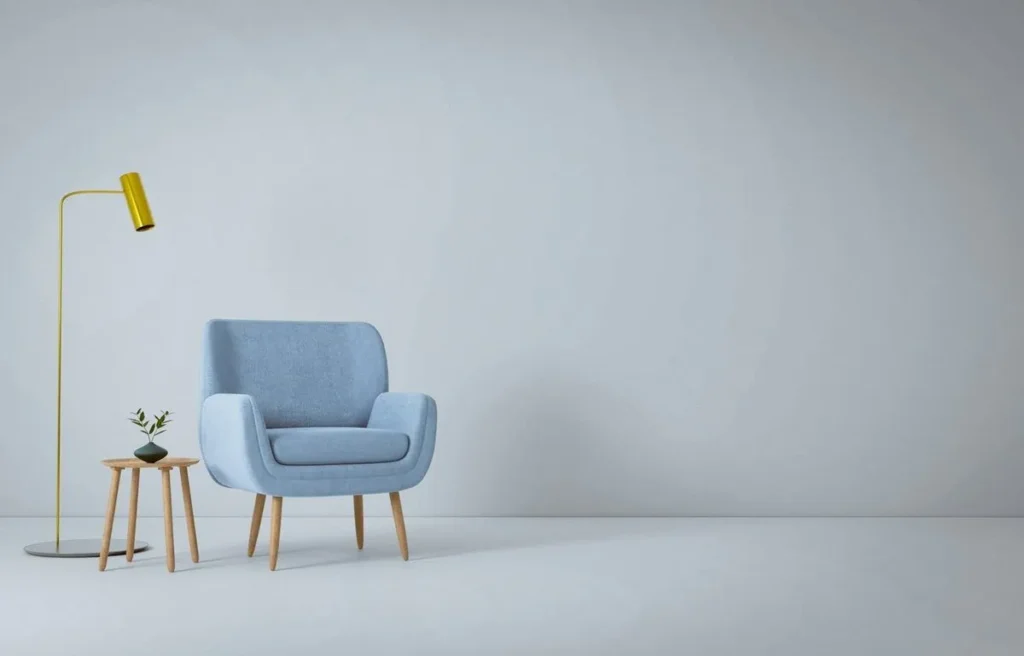
Clean lines, slim legs and pieces that earn their place. Classic Scandinavian furniture is comfortable, practical and made to last.
Look for tapered legs, rounded edges and simple shapes in wood, leather and wool.
4. Layer Cozy Textiles
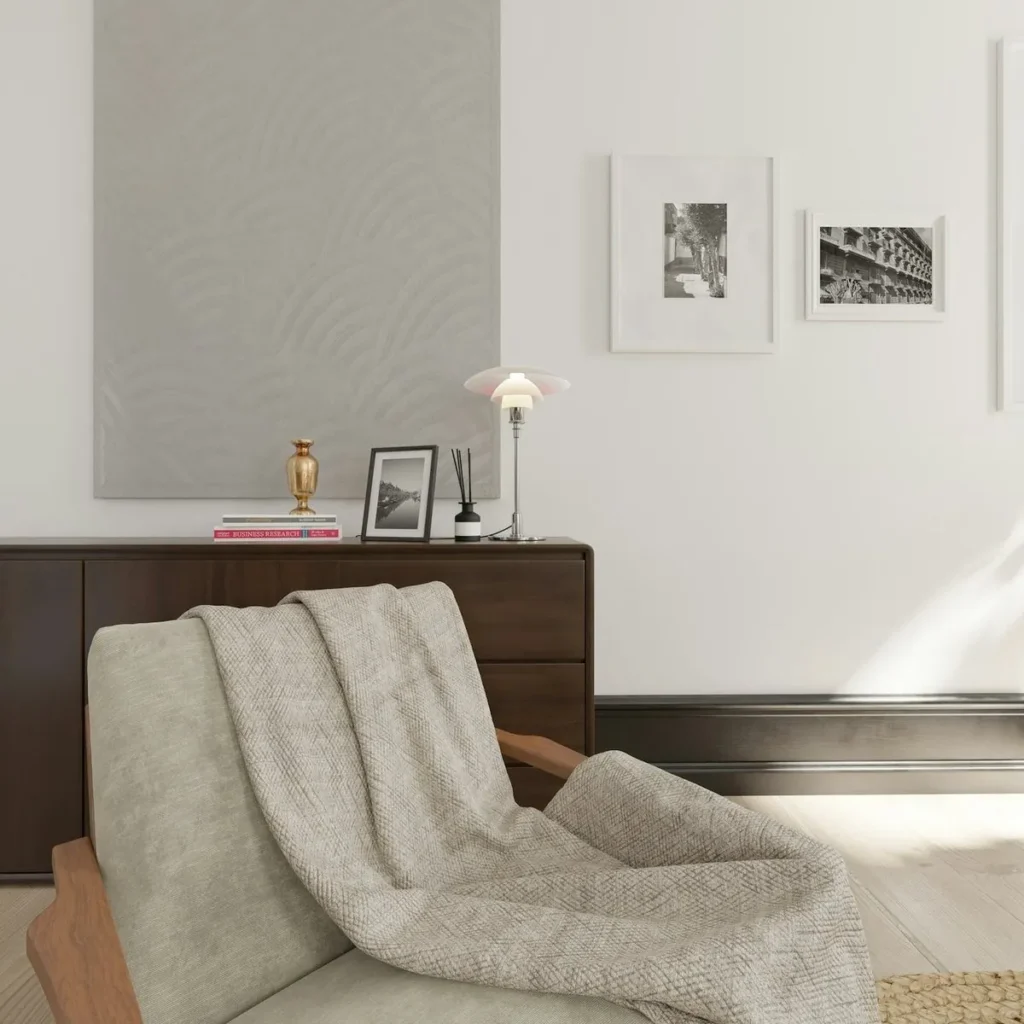
Wool throws, sheepskins and knitted cushions add the warmth Scandinavians call hygge. Layer different textures in soft, natural colors: cream, oatmeal, grey and sand.
A sheepskin draped over a wooden chair or laid on the floor beside the bed is an easy Scandi touch.
5. Let in the Light
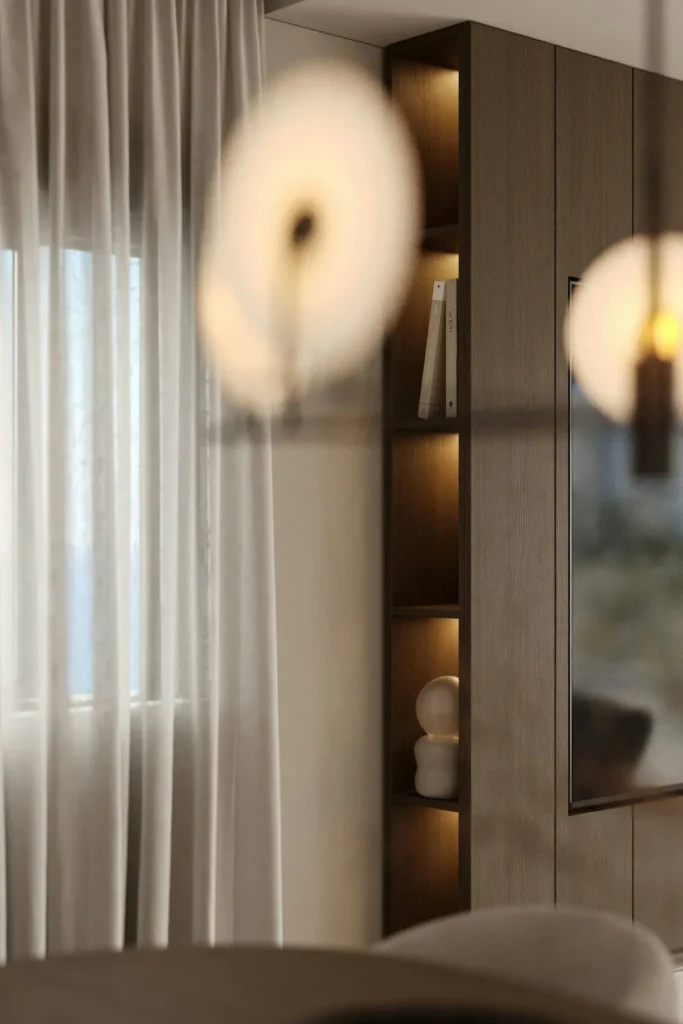
Use sheer curtains or none at all, and keep windows clear. Move tall furniture away from windows, and use a mirror opposite a window to bounce light deeper into the room.
6. Add Candles

Candles are central to Scandinavian coziness in darker months. Group simple white candles in glass holders or on a tray, and light them in the evening.
Never leave candles unattended. LED candles are a safe alternative.
7. Bring in Plants

Simple green plants in white or terracotta pots soften the clean look. A fiddle-leaf fig or olive tree adds height, and trailing plants on shelves add softness.
Branches in a tall vase are a seasonal, natural alternative.
8. Use Black Accents

Black frames, lamps and hardware add graphic contrast. A little black gives a pale room definition and keeps it from feeling washed out.
Black-and-white prints and simple line drawings suit Scandinavian walls.
9. Keep It Clutter-Free
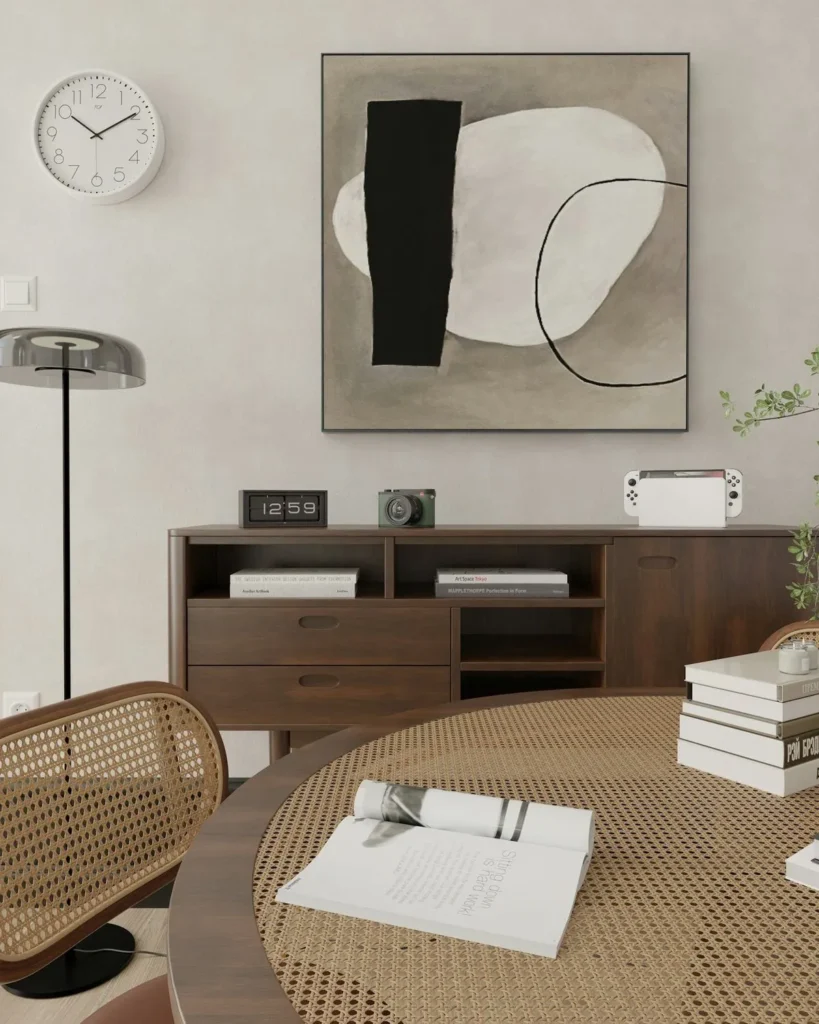
Hidden storage and edited surfaces are essential. Use closed cabinets, baskets and drawers, and keep only a few beautiful objects on display.
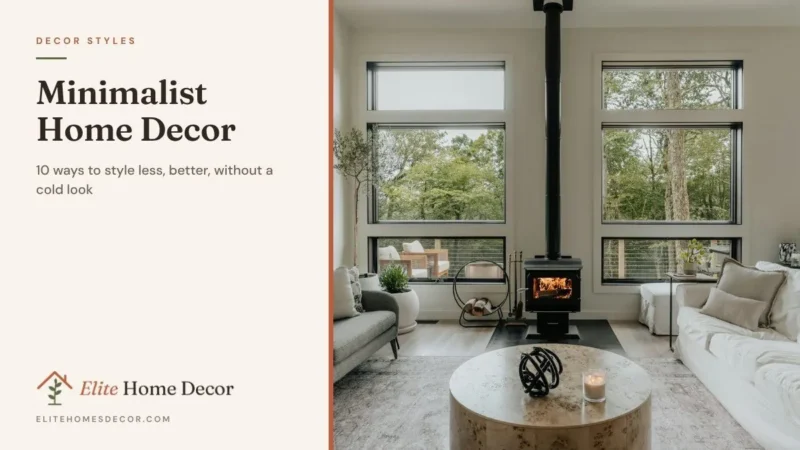
See minimalist home decor for ways to live with less.
10. Add Soft Pastels
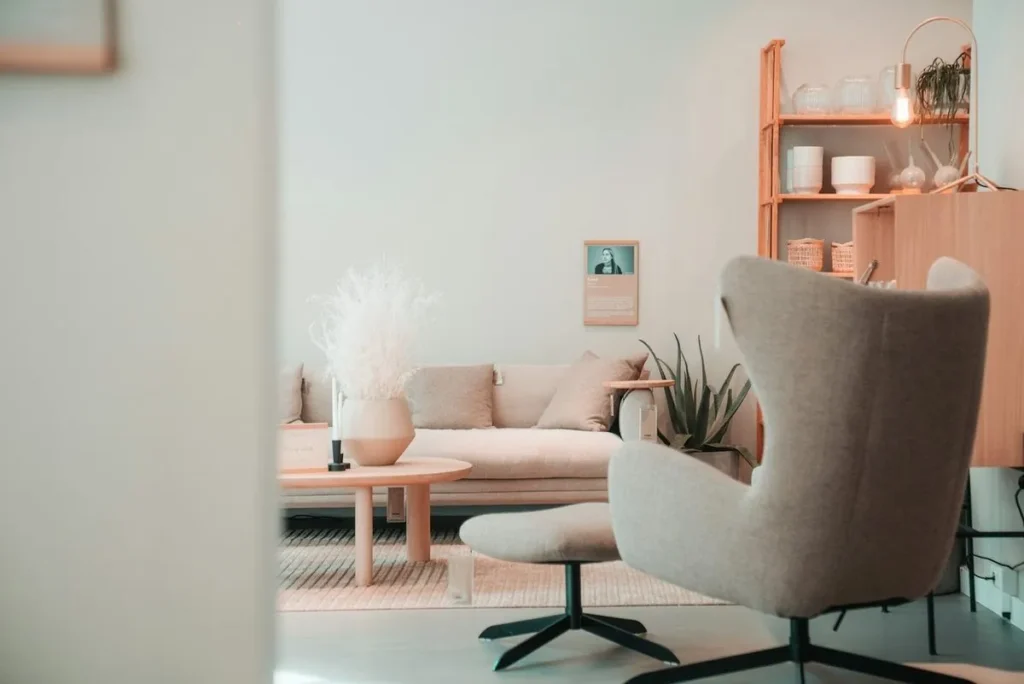
Muted blush, sage or dusty blue add gentle color. Use them in cushions, a throw, a print or a painted chair.
Keep pastels soft and greyed rather than bright, so they blend with the calm palette.
11. Choose Simple Lighting
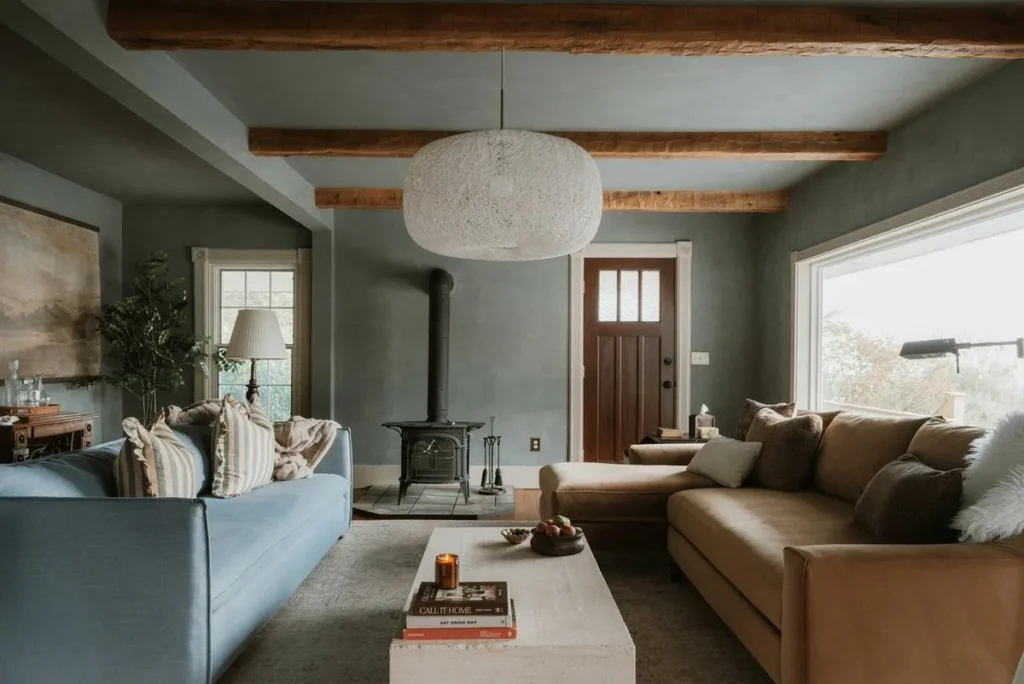
Paper pendants and white or wooden lamps diffuse light softly. Layer several lamps at different heights rather than relying on one ceiling light.
See layered lighting for how to light a room like a designer.
Scandinavian Style Room by Room
- Living room: a light sofa, a wool throw, a sheepskin, a light wood coffee table and candles.
- Bedroom: white or linen bedding, a knitted throw, a simple wooden nightstand and a paper lamp.
- Kitchen: white cabinets, wooden boards, simple ceramics and a few plants.
- Dining room: a light wood table, simple chairs and a pendant above.
Scandinavian vs Japandi vs Minimalist
- Scandinavian: light, cozy and functional, with pale wood and soft textiles.
- Japandi: calmer and earthier, with lower furniture and darker woods. See Japandi decor ideas.
- Minimalist: fewer objects and the cleanest surfaces of all.
Frequently Asked Questions
What are the key elements of Scandinavian decor?
White walls, light wood, simple furniture, cozy textiles, daylight and minimal clutter.
What is the difference between Scandinavian and Japandi?
Japandi blends Scandinavian comfort with Japanese minimalism, using lower furniture and earthier tones.
What colors are used in Scandinavian design?
White, soft grey, natural wood and black, with muted pastels such as sage, blush and dusty blue.
How do I make a Scandinavian room feel cozy?
Layer wool and sheepskin, use warm lamps and candles, and add plants and wood.
Final Thoughts
Scandinavian style is built on light, simplicity and comfort. Keep walls pale, choose light woods and functional furniture, layer soft textiles and let in as much daylight as possible. Candles, plants and a few black accents add warmth and contrast. Above all, keep surfaces calm and clutter-free.
See minimalist home decor, interior design styles and cozy living room ideas.

Leave a Reply