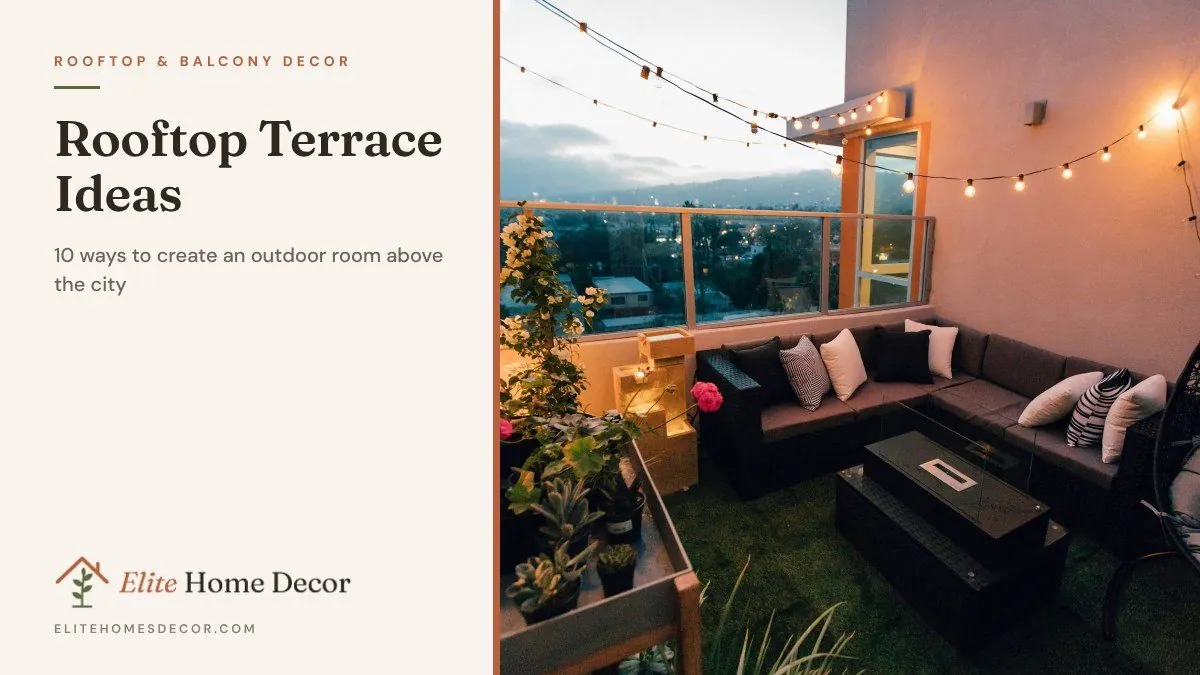
A rooftop terrace gives you something rare: open sky and a view. With the right layout, shade and planting, it can feel like an extra room of your home. Rooftops are also more exposed to sun and wind than gardens, so practical choices matter. Always check with your building management about weight limits, waterproofing and permission before adding heavy items. The RHS recommends getting advice on load-bearing before planting a roof garden. Here are 10 rooftop terrace ideas to inspire you.
1. Plan Zones
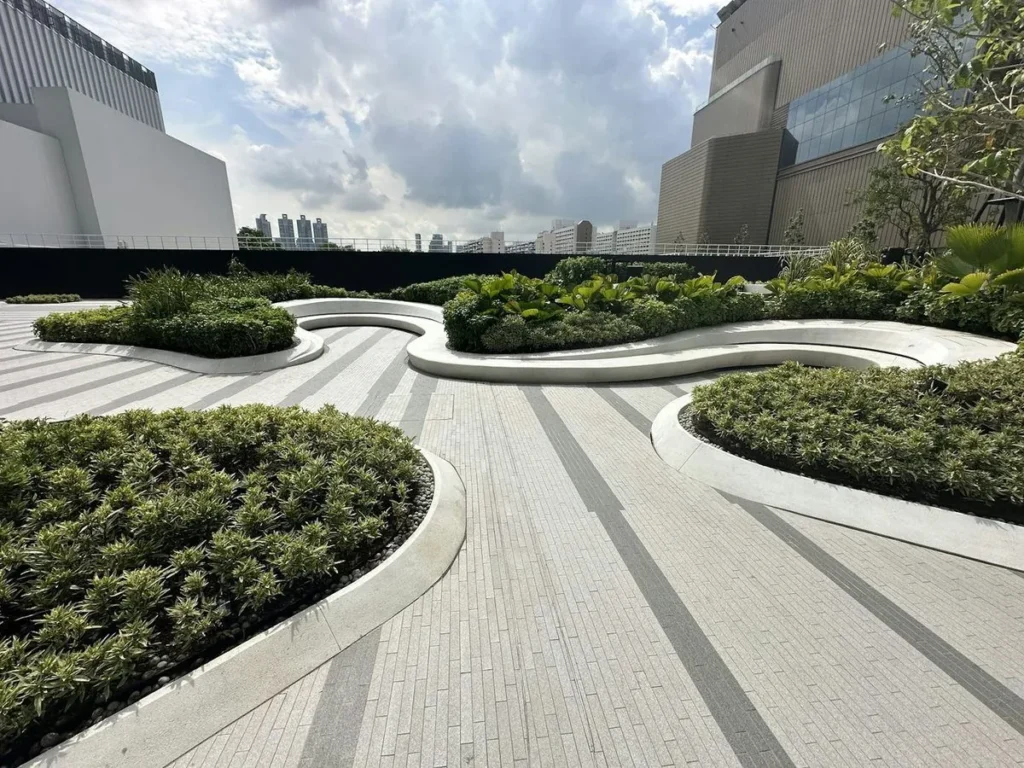
Divide the terrace into a seating zone, a dining zone and a green zone. Even on a small roof, a rug and a group of planters can clearly define each area.
Sketch the terrace to scale and mark where the sun falls through the day, where the wind comes from and where the best view is. Put seating where it is sheltered and dining near the door to the kitchen.
2. Add a Comfortable Lounge Area
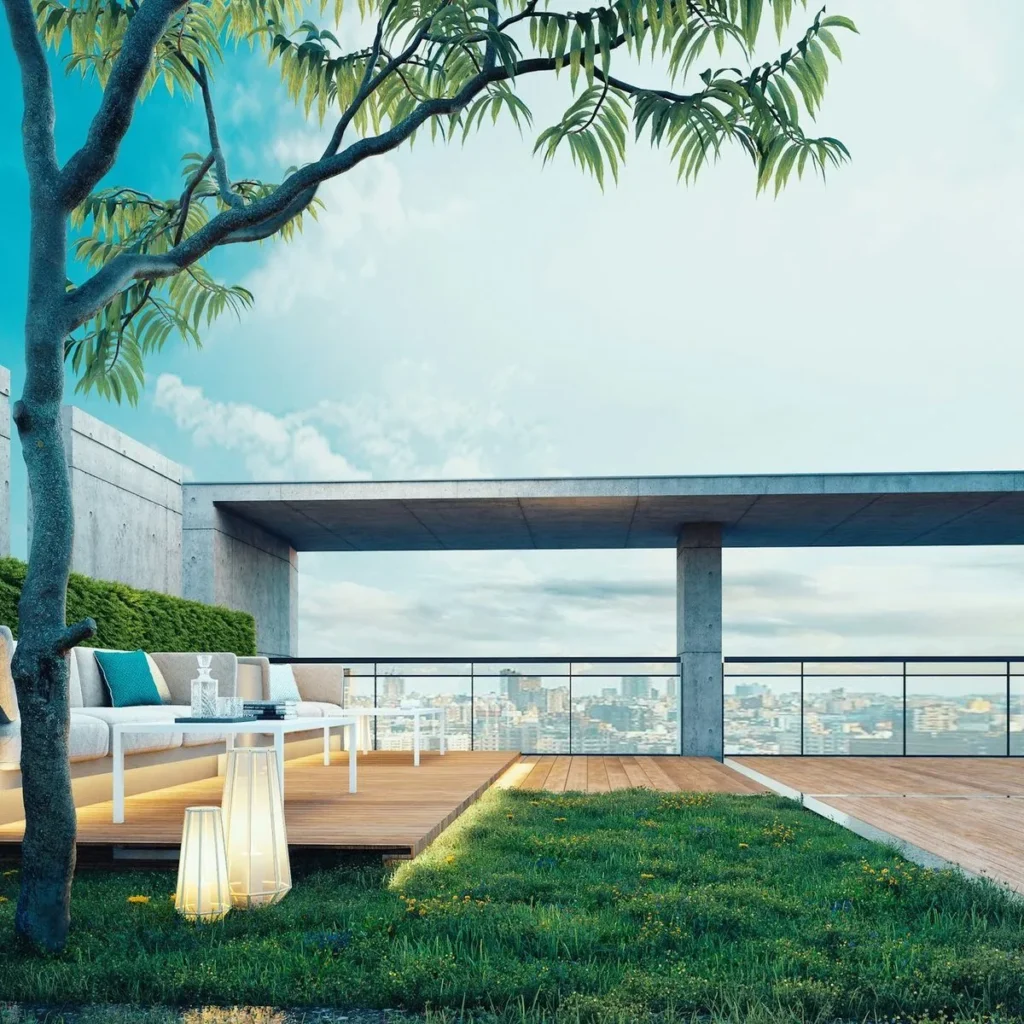
An outdoor sofa or a pair of lounge chairs with a low table makes the terrace a place to relax, not just pass through. Choose weather-resistant fabrics and frames.
3. Create Shade

Rooftops get strong sun. A pergola, shade sail or large umbrella makes the space comfortable in the middle of the day. Freestanding options are often easier to get approved.
Shade sails need strong fixing points and must be taken down in high winds. Large cantilever umbrellas with weighted bases are a flexible alternative.
4. Use Large Planters
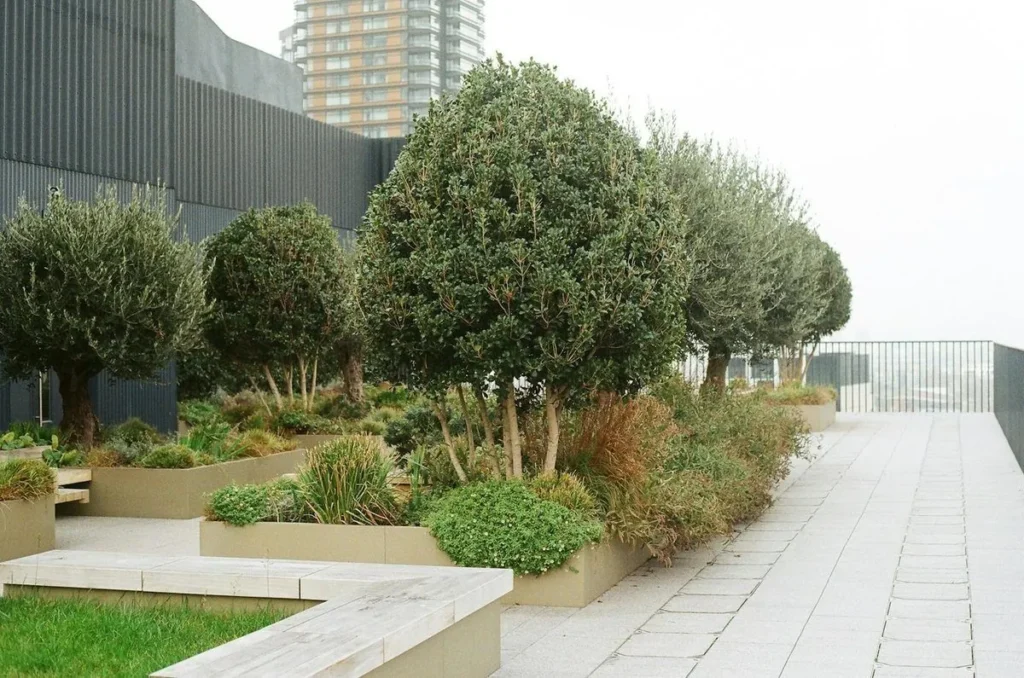
Big planters with small trees, grasses or shrubs bring height and soften hard edges. Lightweight fiberglass pots and lightweight potting mix help reduce weight.
Place heavy planters near load-bearing walls and the edges of the roof structure, as advised by a professional, rather than in the middle of the roof.
5. Make a Dining Space
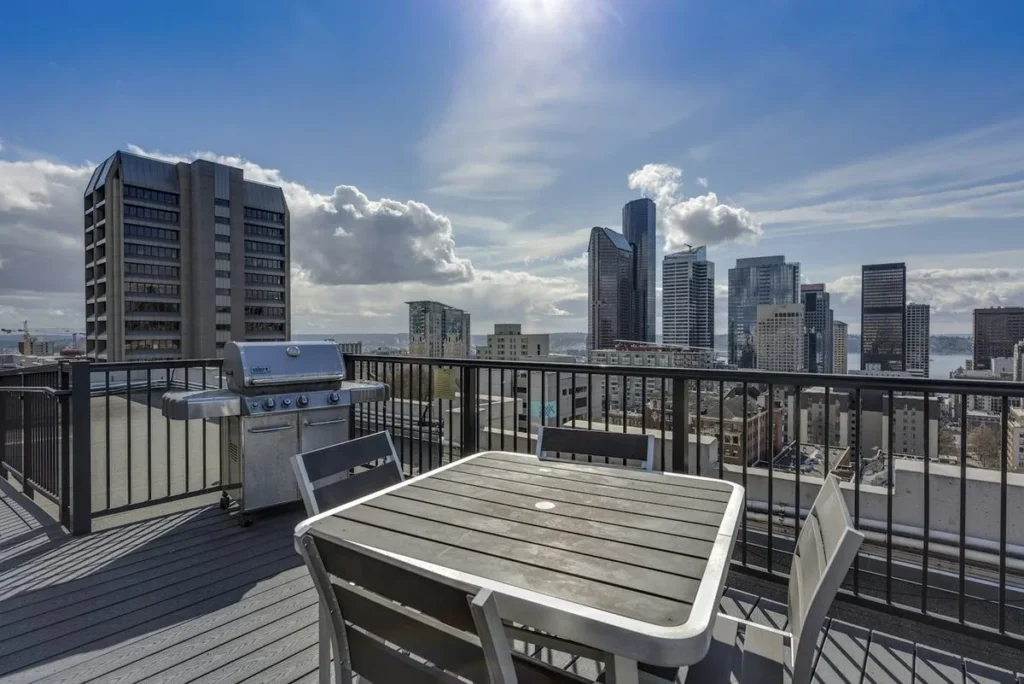
A table for four or six turns the roof into the best spot for summer dinners. Choose a heavy or fixed table if your roof is windy.
6. Choose Wind-Friendly Plants
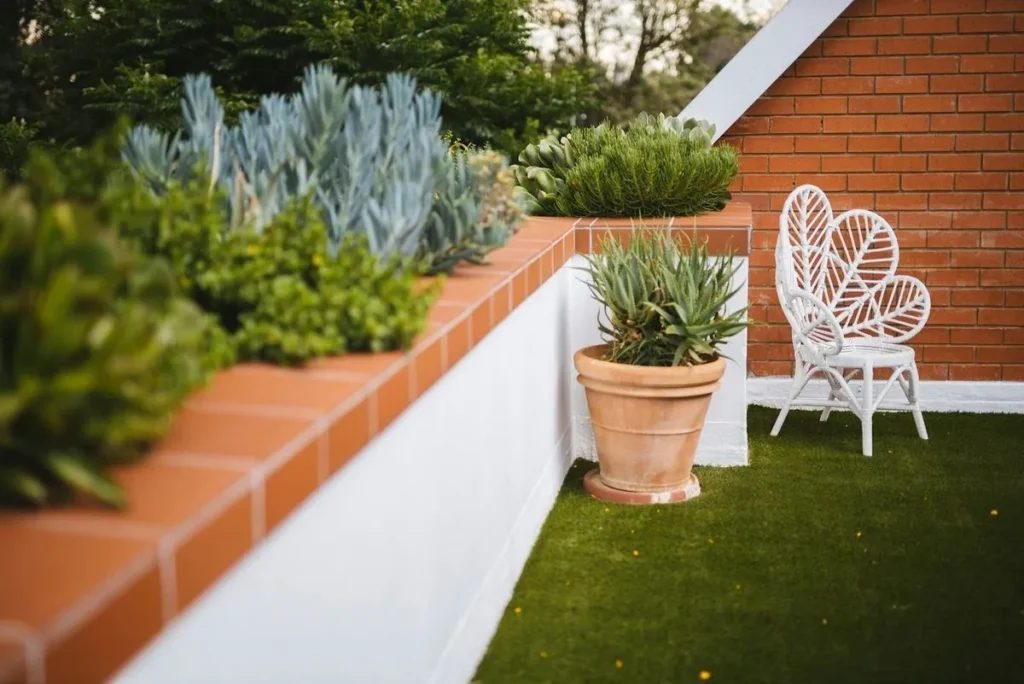
Grasses, lavender, rosemary and other tough, compact plants handle wind better than large-leaved or delicate plants.
7. Add Warm Lighting
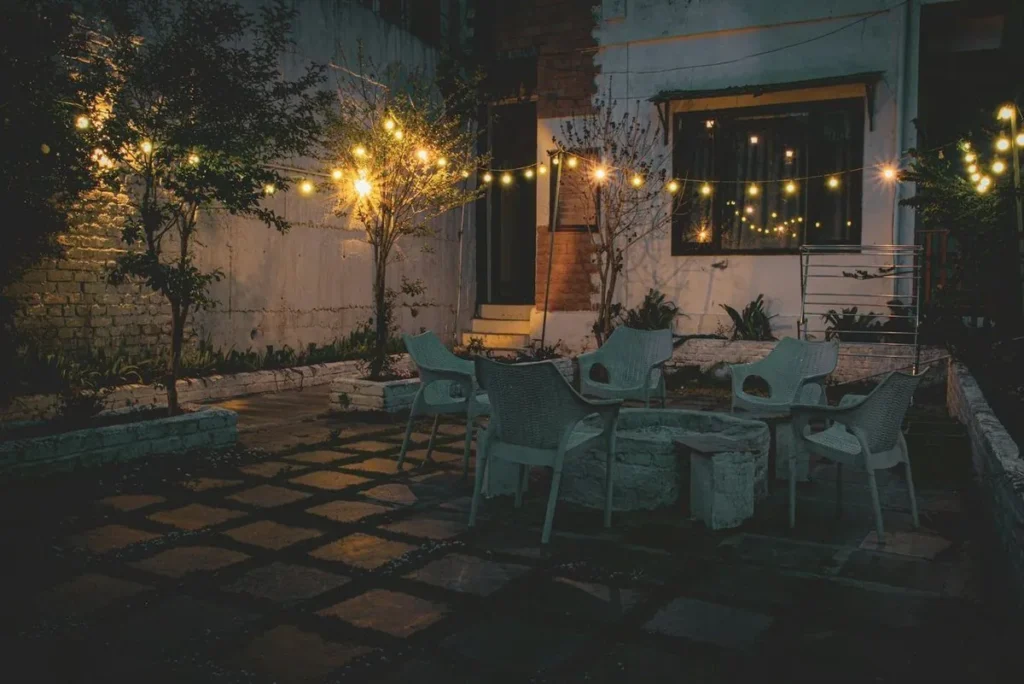
String lights, lanterns and solar path lights make the terrace inviting at night. See our balcony and rooftop lighting ideas.
8. Bring in a Swing or Hammock
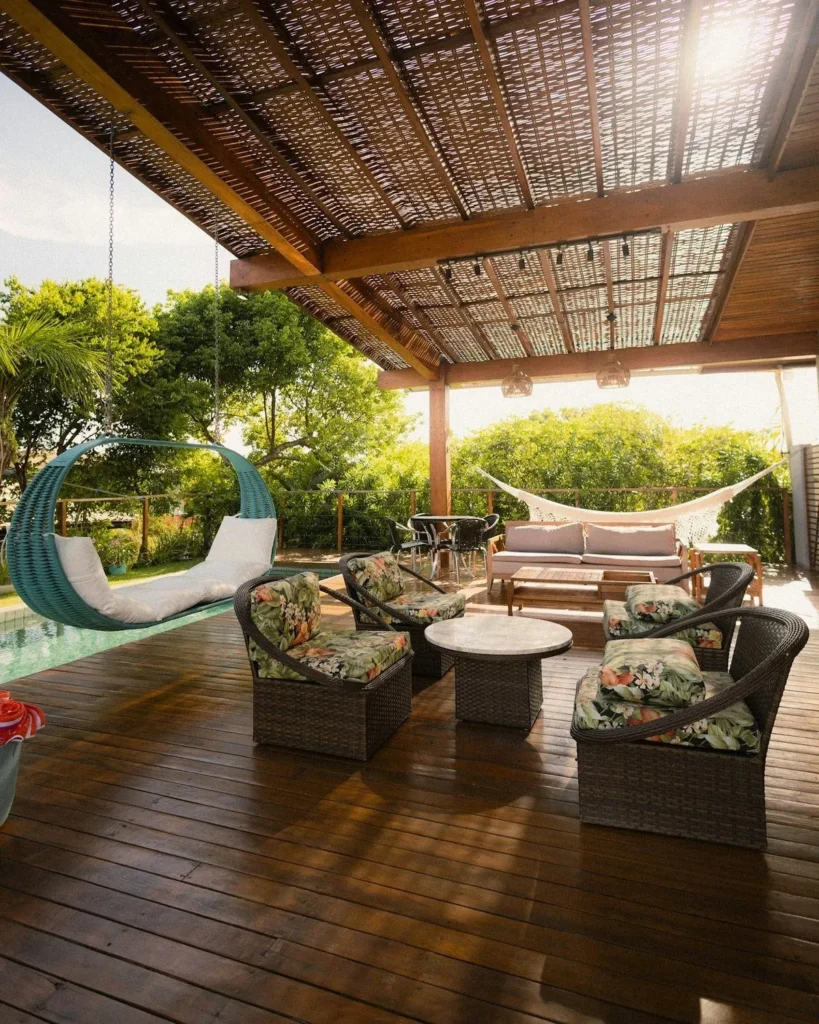
A hanging swing or hammock adds a holiday feel. Use a freestanding frame unless a structural engineer has approved a fixing point.
9. Layer Outdoor Textiles

Outdoor rugs, cushions and throws make the space feel like an indoor room. Store them in a weatherproof box when not in use.
10. Frame the View
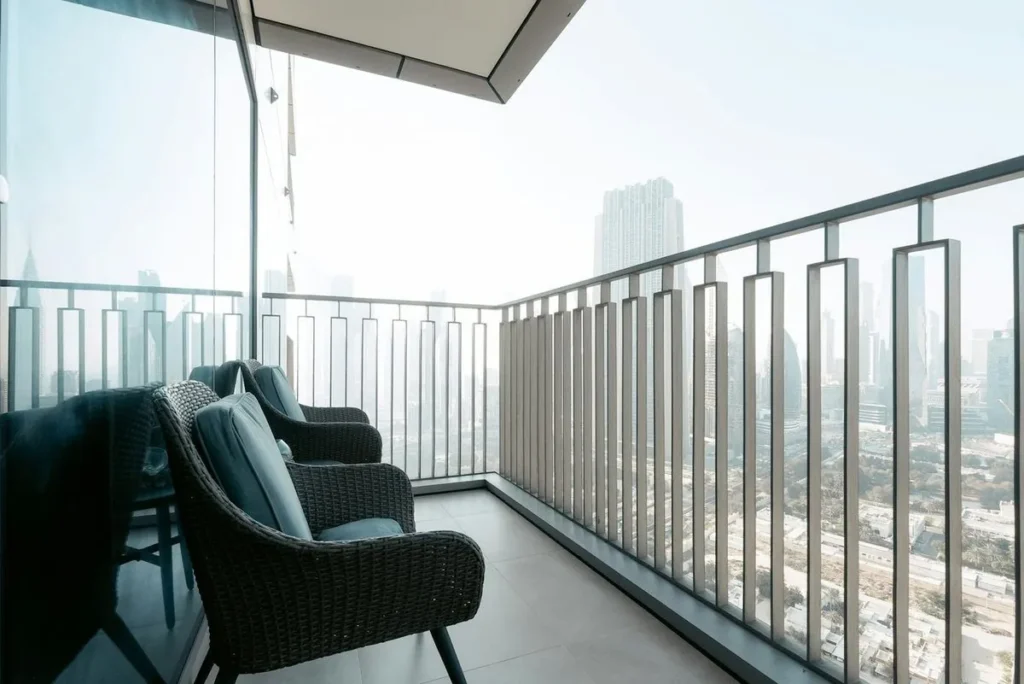
Arrange seating to face the best view, and keep tall plants to the sides so they frame it rather than block it.
Rooftop Safety and Practical Tips
- Weight: ask a professional to confirm load limits before adding planters, hot tubs or heavy furniture.
- Railings: make sure guardrails are secure and high enough, especially with children.
- Wind: secure or store lightweight items, and take down umbrellas and shade sails in storms.
- Drainage: keep drains clear of leaves and soil.
- Water: install a hose connection or use large watering cans and self-watering pots.
Rooftop Terrace on a Budget
Start with an outdoor rug, a pair of comfortable chairs, a few large planters and string lights. Add a dining table and shade later as your budget allows.
Frequently Asked Questions
Do I need permission for a rooftop terrace? Often yes. Check with your landlord, building management or local authority before installing structures or heavy items.
What furniture is best for a rooftop? Weather-resistant furniture that is heavy enough not to move in wind, such as teak, aluminum with weighted bases, or all-weather wicker.
How do I make a rooftop less windy? Use solid or semi-solid screens, tall planters and hedges along the windiest side, keeping within your building’s rules.
What plants survive on a rooftop? Tough, wind-tolerant plants such as ornamental grasses, lavender, rosemary, sedums and small shrubs.
Final Thoughts
A great rooftop terrace is planned in zones, with comfortable seating, shade, large planters and a dining area. Choose wind-friendly plants and furniture heavy enough for exposed conditions, and add warm lighting for evenings. Most importantly, check weight limits and permissions with your building before you start.
Leave a Reply