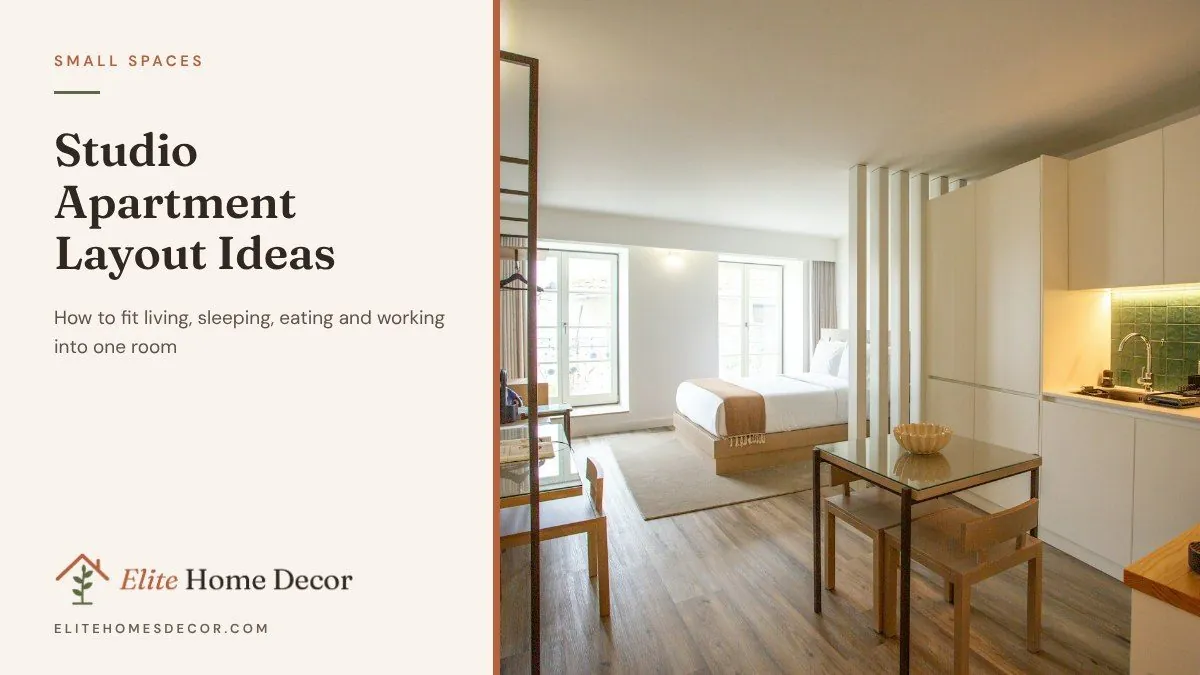
In a studio apartment, one room has to be a living room, bedroom, dining room and often an office too. The secret to making it feel like a real home is not more furniture. It is a clear layout with separate zones, so each activity has its own place and the room never feels like a bed in the middle of everything.
These 12 studio apartment layout ideas show you where to put the bed, how to divide the space without walls and which furniture works hardest in one room.
Start With Zones
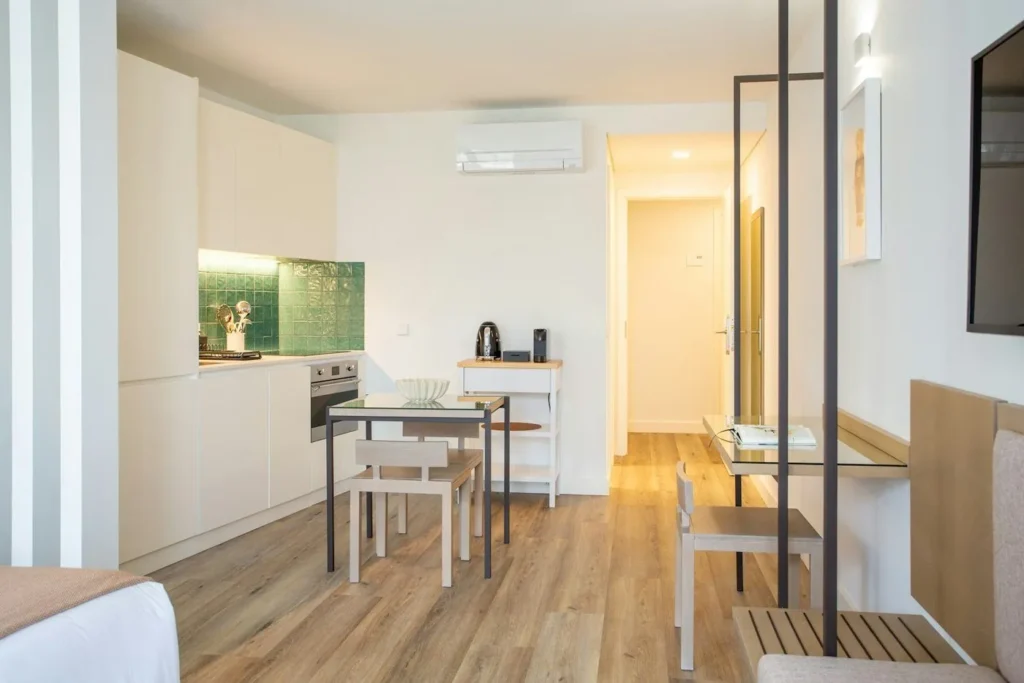
Before you move anything, decide on your zones. Most studios need four:
- Sleep: the bed, a nightstand and a lamp.
- Living: a sofa or chairs, a small table and a rug.
- Eating: a small table or a counter with stools.
- Working (optional): a desk or a corner of the dining table.
Measure the room, sketch it on paper and try two or three arrangements before lifting heavy furniture. Our guide to living room layouts has more on spacing and walkways.
1. Put the Bed in the Far Corner
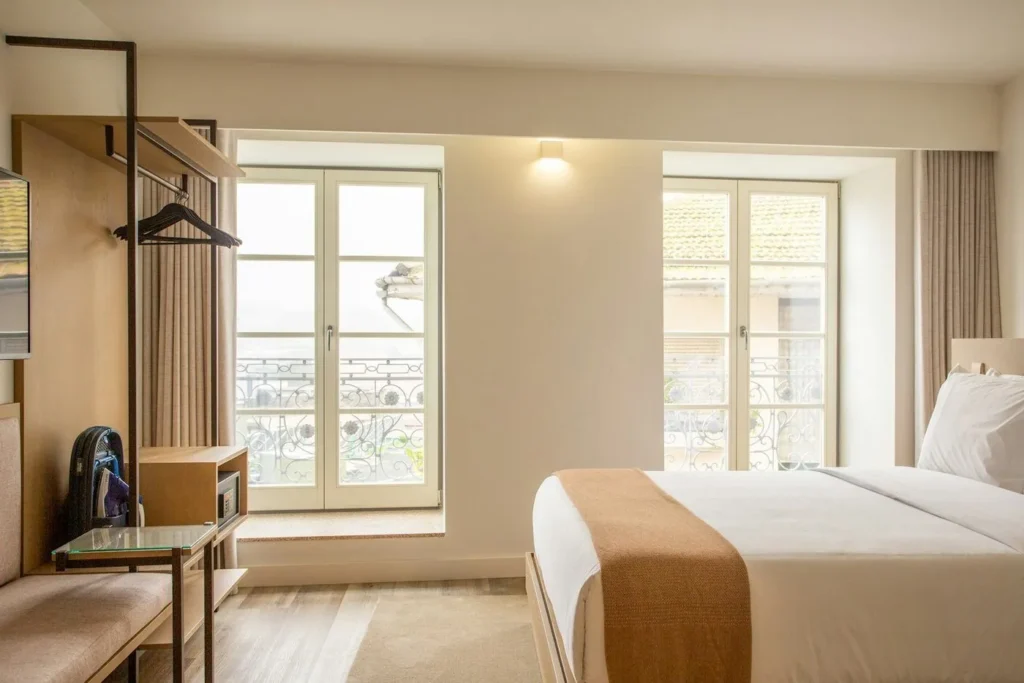
Place the bed on the wall furthest from the front door, ideally in a corner. This makes it feel private and keeps it out of the first view when someone walks in. A corner bed also frees up the middle of the room.
2. Use the Sofa as a Divider
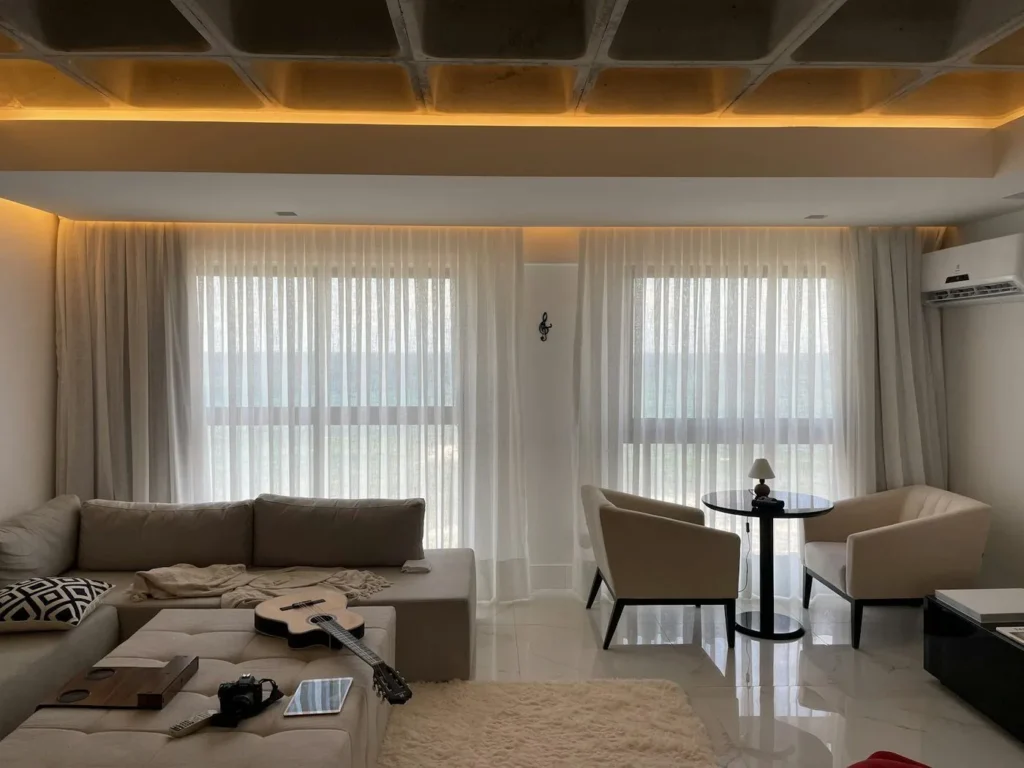
Turn the sofa so its back faces the bed. This simple move creates a living area on one side and a sleeping area on the other without building anything. A low console table behind the sofa adds storage and a surface for a lamp.
3. Divide With an Open Bookcase
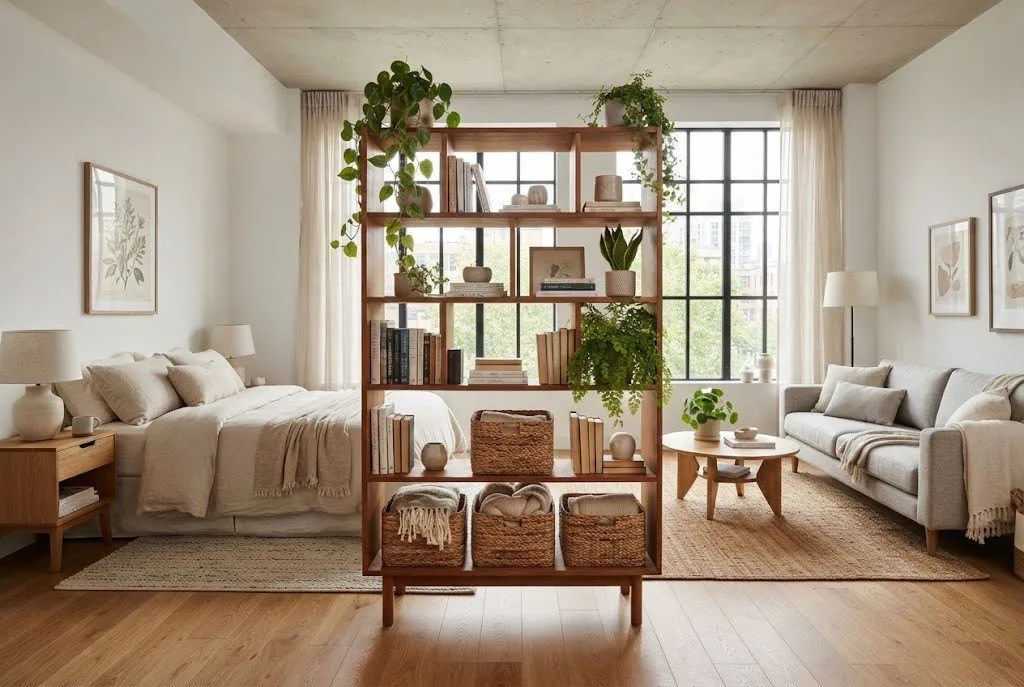
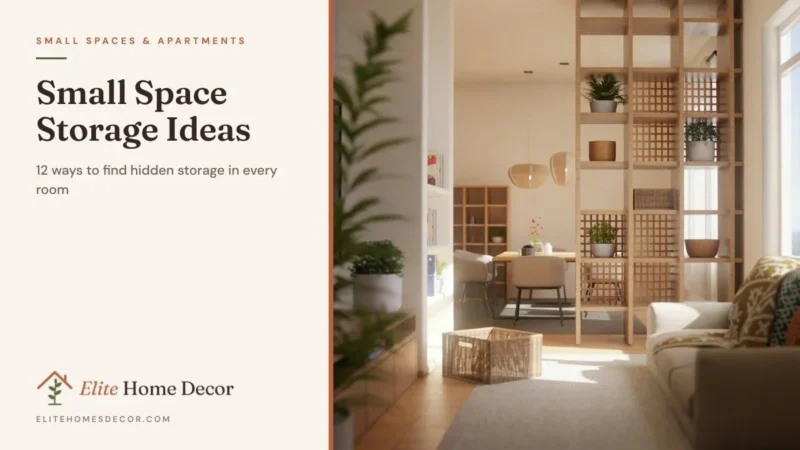
An open, see-through bookcase separates the bed from the living area while still letting light through. Use it from both sides for books, baskets and plants. Secure tall units to the wall or floor so they cannot tip.
4. Hang a Curtain
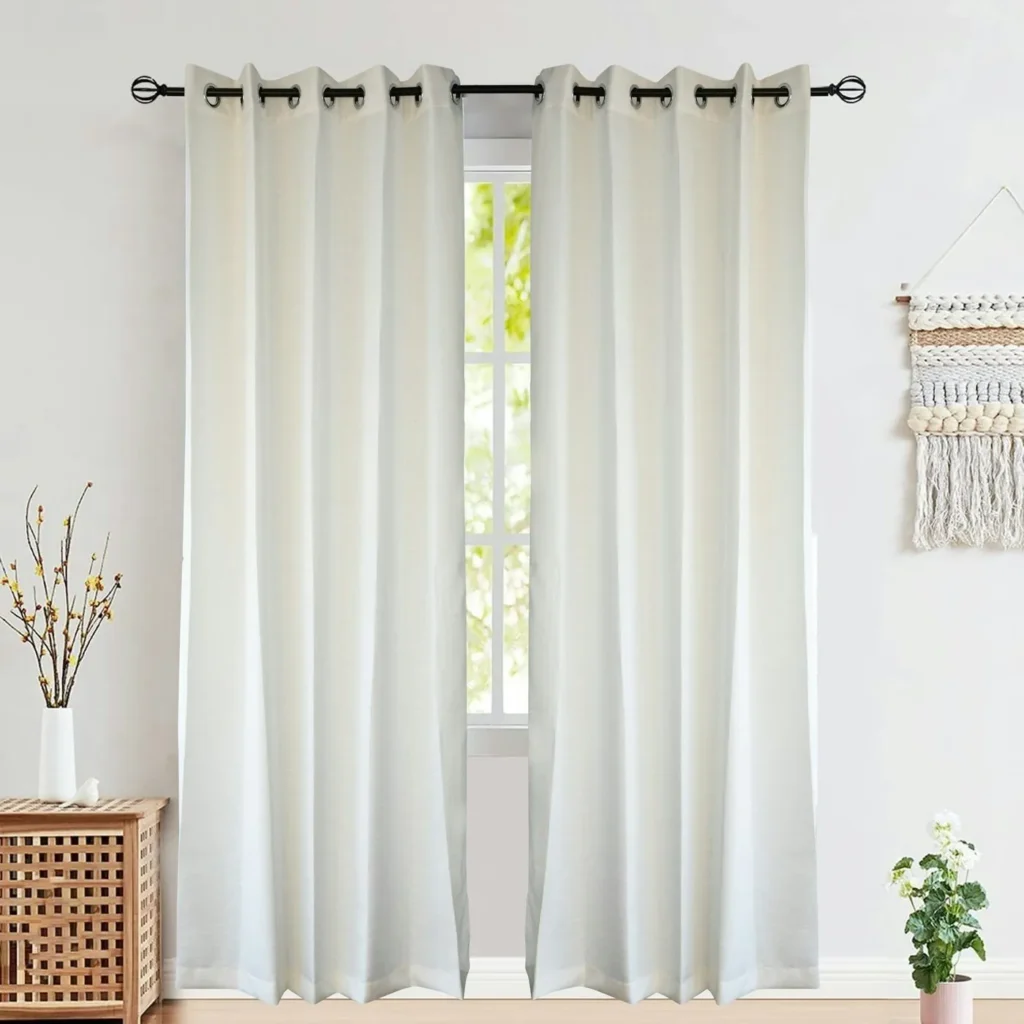
A ceiling-mounted curtain track or a tension rod lets you close off the bed at night and open the room up during the day. Choose a light linen or sheer fabric so the room still feels bright when it is drawn.
5. Define Each Zone With a Rug
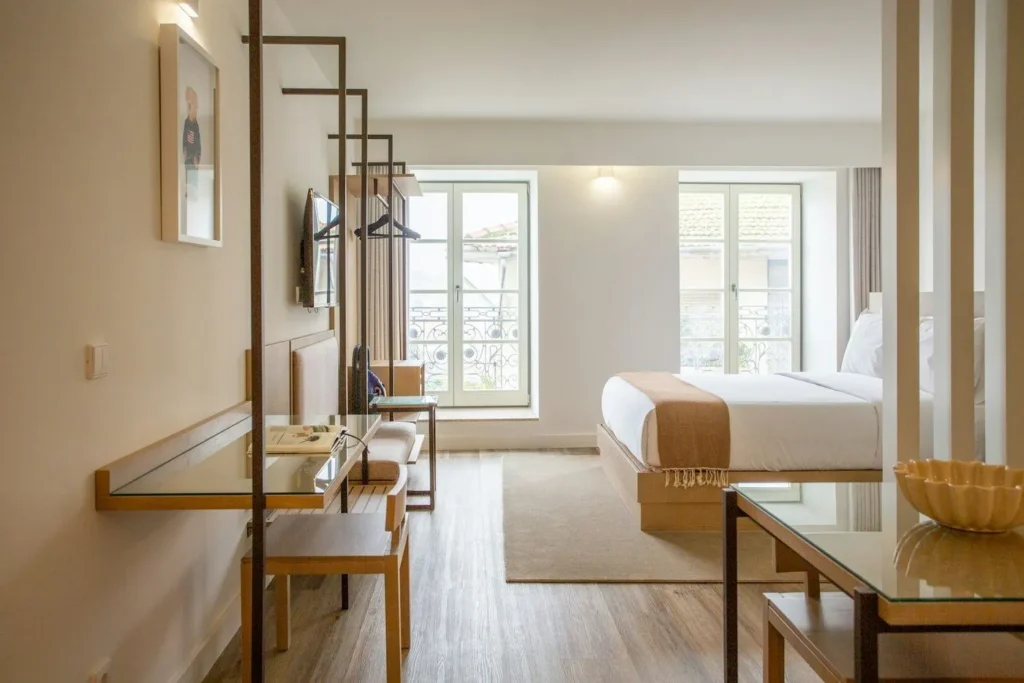
Rugs are the easiest way to create zones in an open room. Put one rug under the sofa and coffee table and a different one beside or under the bed. Choose rugs in related colors so the room still feels connected.
6. Choose a Sofa Bed or Daybed
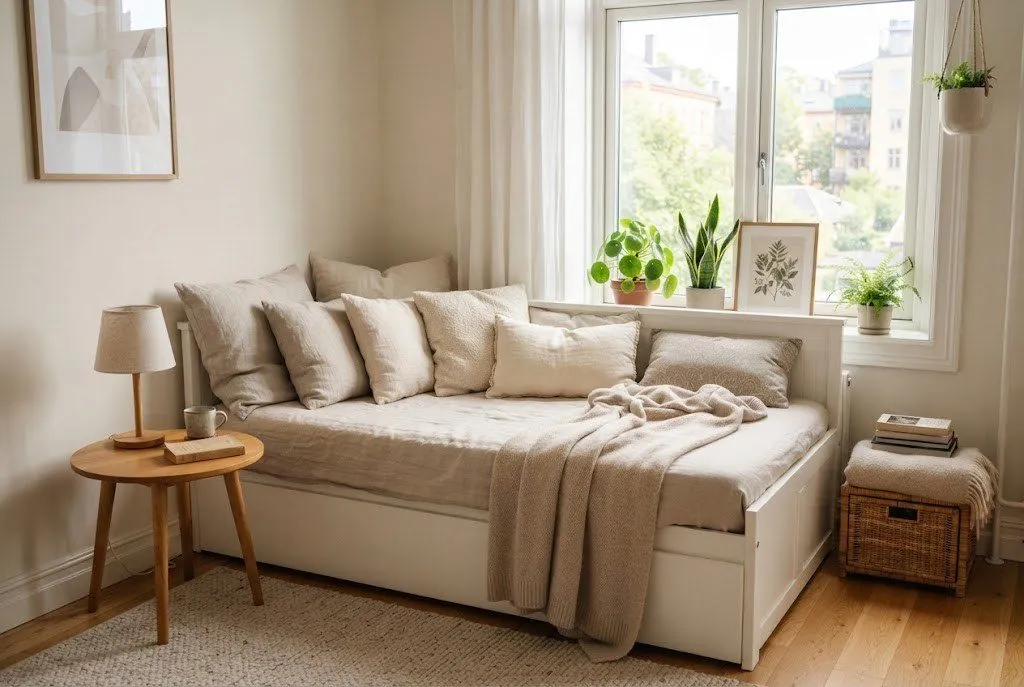
In a very small studio, a daybed or good-quality sofa bed lets the living area become the bedroom at night. Pick one that is comfortable to sleep on every night, and add a storage basket for bedding during the day.
7. Try a Murphy or Loft Bed
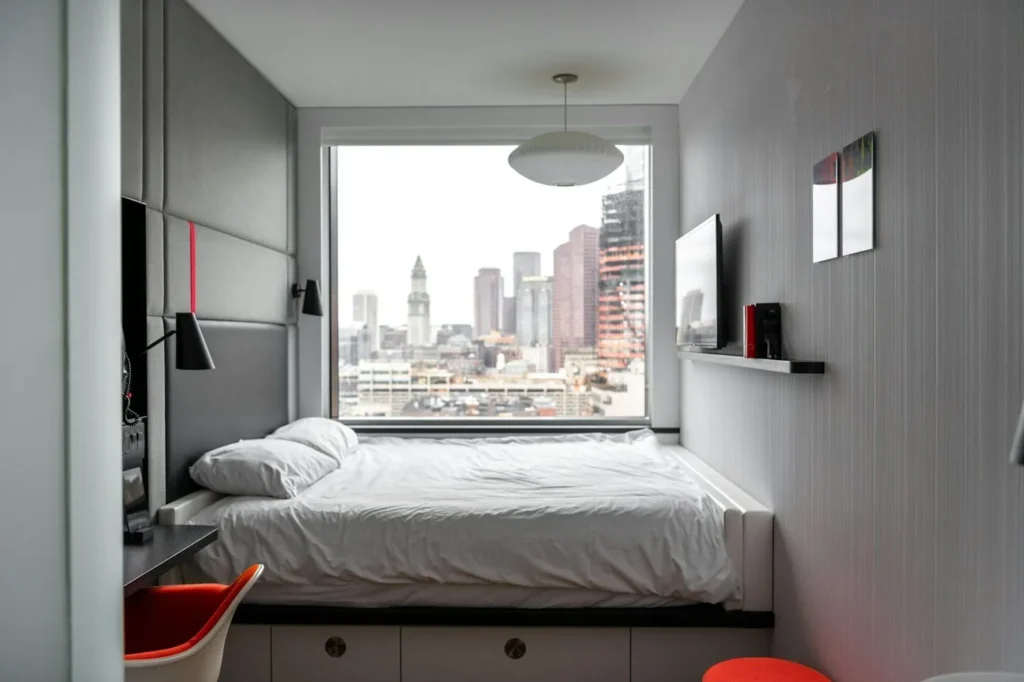
A wall bed folds away during the day and frees up floor space for living. A loft bed lifts the bed above a desk, sofa or storage. Both are bigger investments, so check that your building and lease allow wall fixings first.
8. Use a Folding Screen
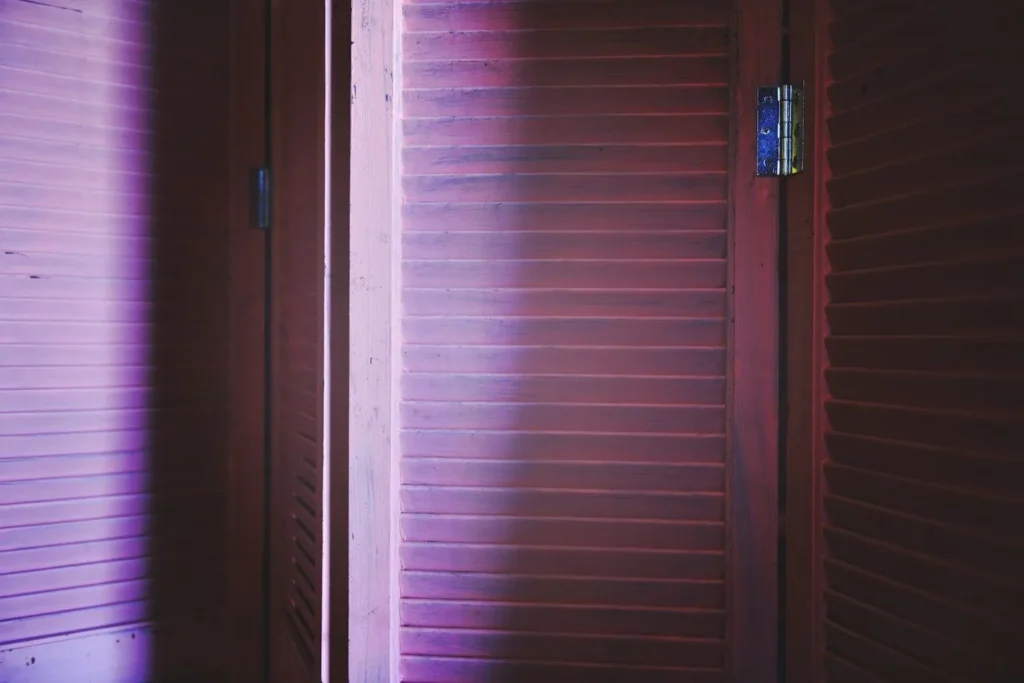
A folding screen is the most flexible divider of all: it can hide the bed, the desk or a cluttered corner and moves whenever you change your mind. Rattan, wood and fabric screens add texture to the room as well.
9. Create a Dining Nook
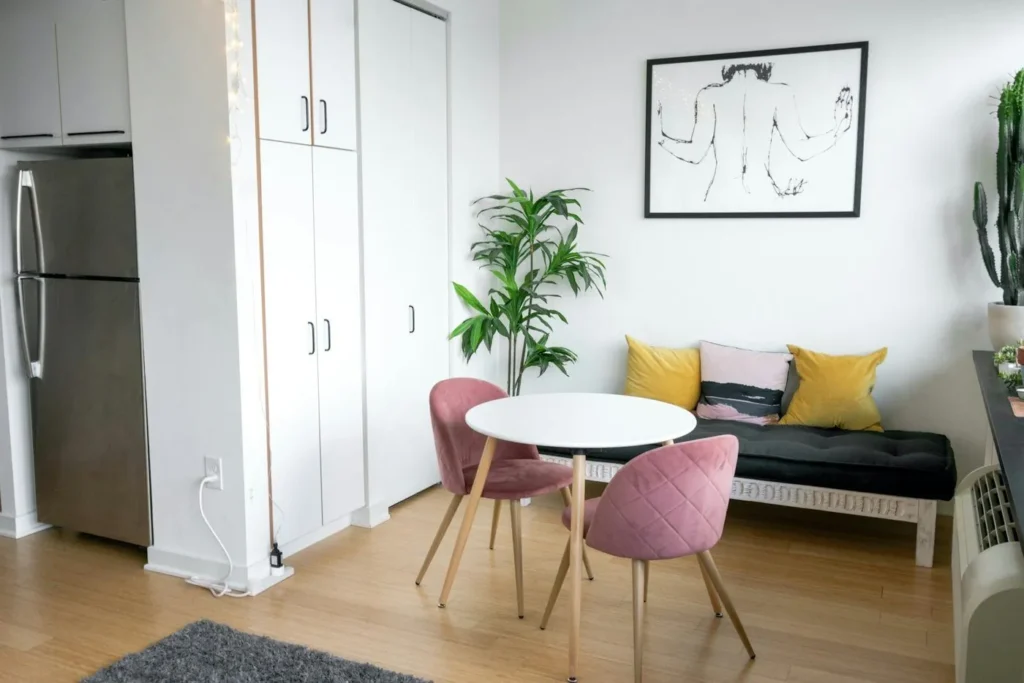
A small round table with two chairs, a drop-leaf table against the wall or a counter with stools gives you a proper place to eat. Hang a pendant or place a lamp above it to define it as its own zone.
10. Fit In a Work Corner
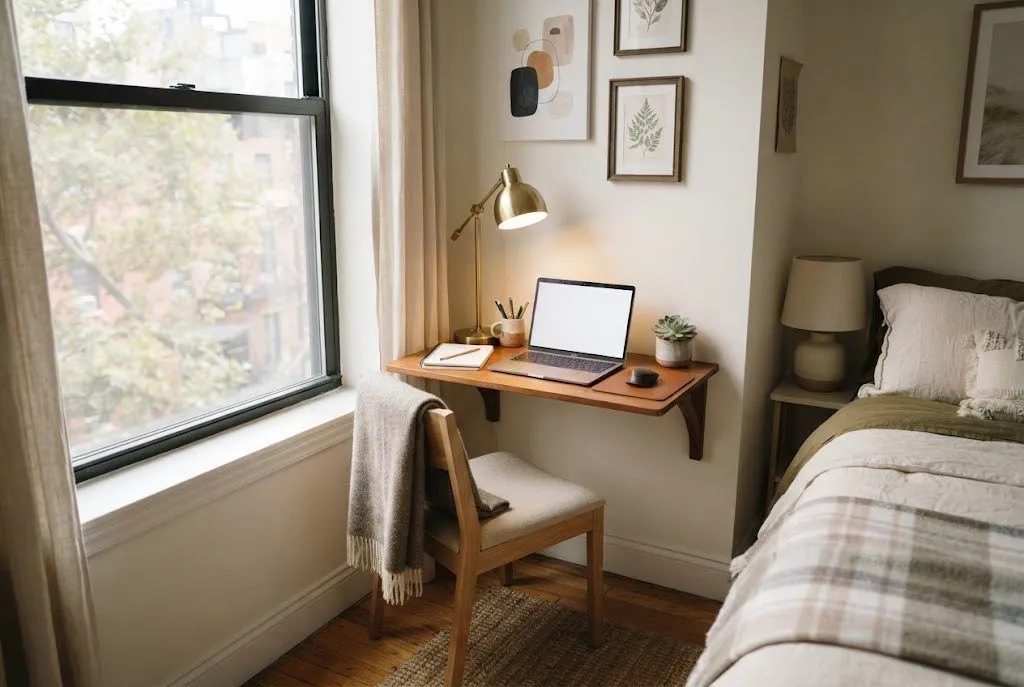
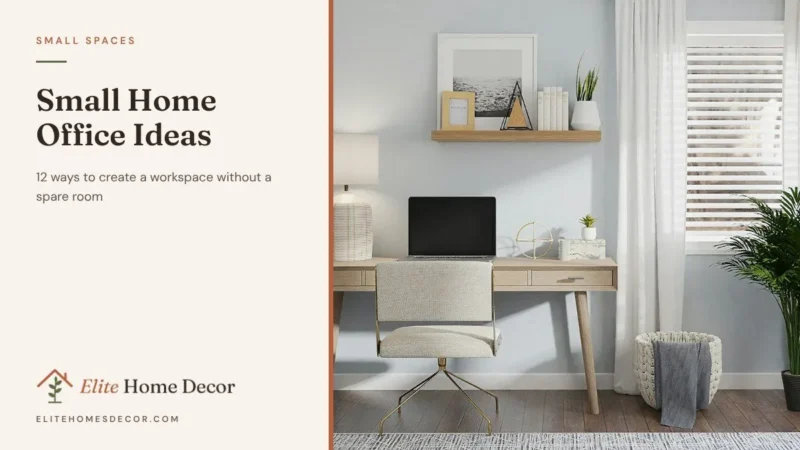
A narrow desk in a corner, a wall-mounted fold-down desk or a slim console behind the sofa can become a workspace. Face the desk towards a window or wall rather than the bed so work and rest stay separate. See more small home office ideas.
11. Choose Storage That Doubles Up
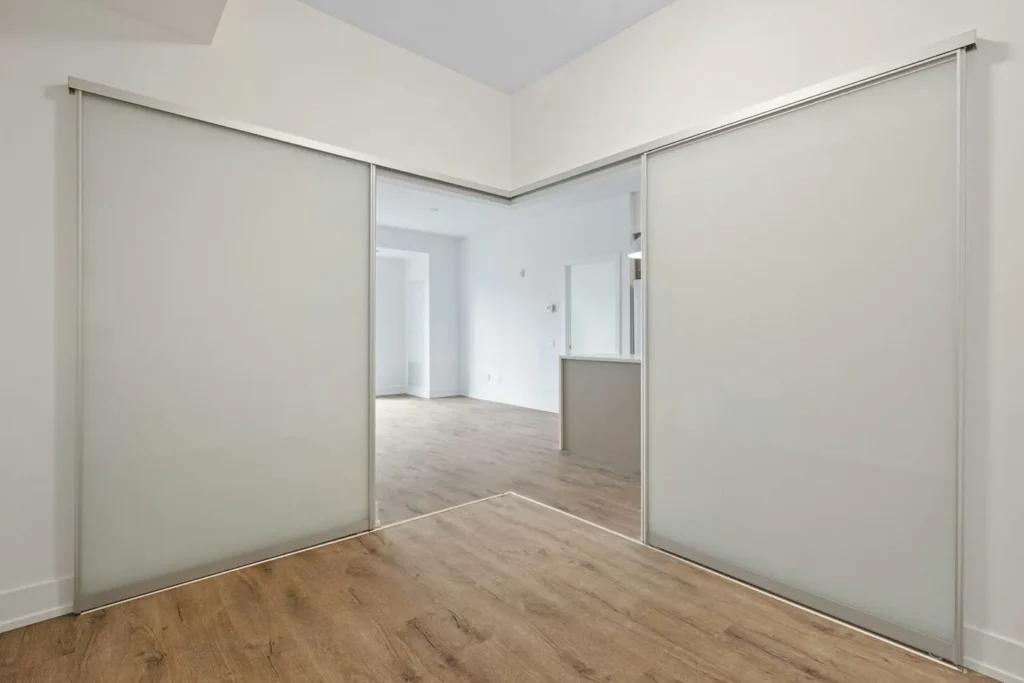
In a studio, every piece should work twice. A bed with drawers underneath, an ottoman with storage, a bench by the door and tall wardrobes all keep the floor clear. For more, see our small space storage ideas.
12. Light Each Zone Separately
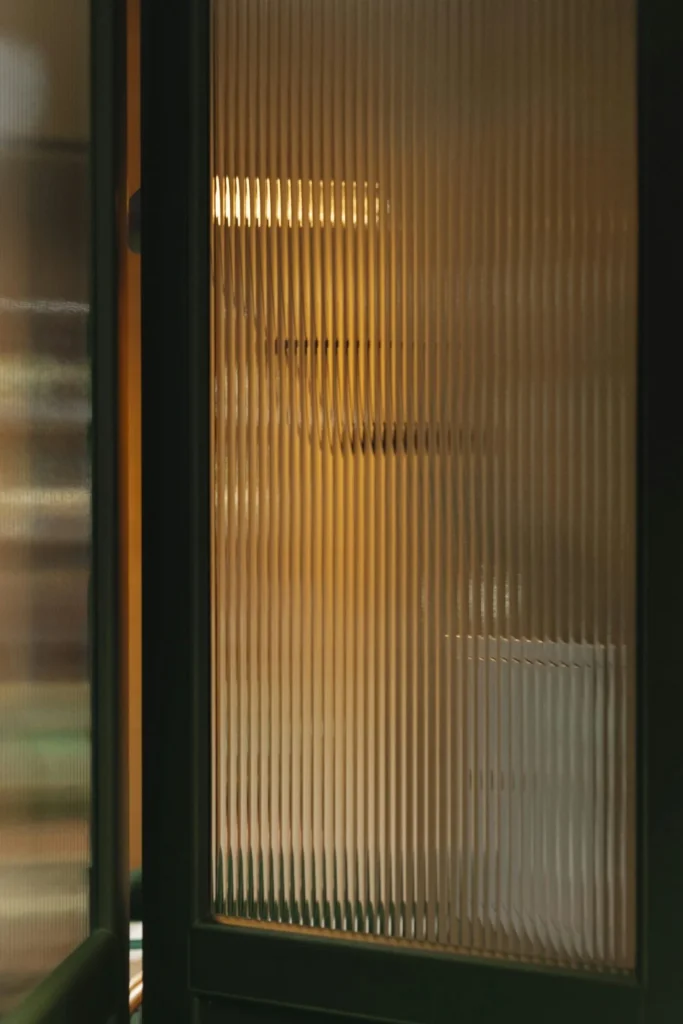
Give each zone its own light: a reading lamp by the bed, a floor lamp by the sofa and a pendant over the table. Being able to switch one area on and another off is what makes a single room feel like separate spaces in the evening.
Three Studio Layouts That Work
- Long, narrow studio: bed at the far end, a bookcase or curtain divider, sofa facing the window in the middle, kitchen and dining near the door.
- Square studio: bed in one corner, sofa with its back to the bed, rug under each zone, small dining table near the kitchen.
- Very small studio: daybed or sofa bed as the main seat, folding table on the wall, storage bed or tall wardrobes for clothes.
Make a Studio Feel Bigger
- Keep the color palette light and consistent across all zones.
- Use furniture with legs and see-through pieces such as glass tables.
- Hang curtains high and wide to make the ceiling feel taller.
- Use a large mirror opposite the window.
- Keep the floor as clear as possible.
See how to make a small room look bigger for more tricks.
Studio Layout Mistakes
- The bed as the first thing you see. Move it away from the door or screen it off.
- Furniture against every wall. Float the sofa to create zones.
- One overhead light. Light each zone separately.
- Too much furniture. Every piece should earn its place.
Frequently Asked Questions
Where should the bed go in a studio apartment? Ideally on the wall or in the corner furthest from the front door, so it feels private and is not the first thing you see.
How do I divide a studio apartment without walls? Use the back of the sofa, an open bookcase, a curtain, a folding screen or different rugs to create separate zones.
How do I fit a bed and couch in a studio? Put the bed in a corner and turn the sofa so its back faces the bed, with a rug under each to define the two areas.
What size rug should I use in a studio apartment? A 5 by 8 foot rug under the living area and a smaller rug beside the bed usually work well.
How do I make a studio apartment feel cozy? Use warm lamps, soft textiles and plants, and give each zone its own light.
Final Thoughts
A great studio layout starts with zones: sleep, living, eating and working. Place the bed away from the door, divide the room with furniture, rugs or curtains, and light each area separately. For more ideas, see our complete guide to small space decorating ideas.
Leave a Reply