
When the Christmas decorations come down, the house can feel bare. The tree has gone, the lights are boxed up and January stretches ahead, cold and dark. It is no surprise that many people find the first weeks of the year a little flat.
Winter decor keeps the cozy feeling without the festive colors. Instead of red, gold and ornaments, it uses greenery, warm light, soft whites and natural textures that look right from January until the first spring flowers appear. Here’s how to transition your home from Christmas to winter in one afternoon.
How to Transition From Christmas to Winter
Work through the house in this order:
- Take down the obvious holiday pieces first: the tree, ornaments, stockings, Santa and reindeer decor, and anything red and gold.
- Keep the pieces that are simply wintry: greenery, warm white lights, candles, pinecones and knit throws.
- Clean and reset: dust surfaces, wash throws and clear clutter before adding anything back.
- Add winter touches: white flowers, bare branches and extra textures.
Store Christmas decorations by room in labeled boxes, so next December is easier.
1. Keep the Greenery

Pine branches, eucalyptus and cedar work all winter. Remove ornaments, ribbons and red berries, and keep the green.
Real cut greenery usually lasts two to four weeks indoors, especially if you mist it now and then and keep it away from radiators. Faux garlands can stay up until early spring. Simply lay a plain garland along the mantel or a shelf, or put a few branches in a tall vase.
2. Leave Up Warm Lights

String lights look wintry on their own, without ornaments. Keep them on shelves, around windows, inside glass jars or wrapped around a large branch.
In January and February, when evenings are longest, fairy lights and lamps make a real difference to how a home feels. Use warm white bulbs rather than colored ones so they no longer look like Christmas.
3. Swap Red for Winter Whites
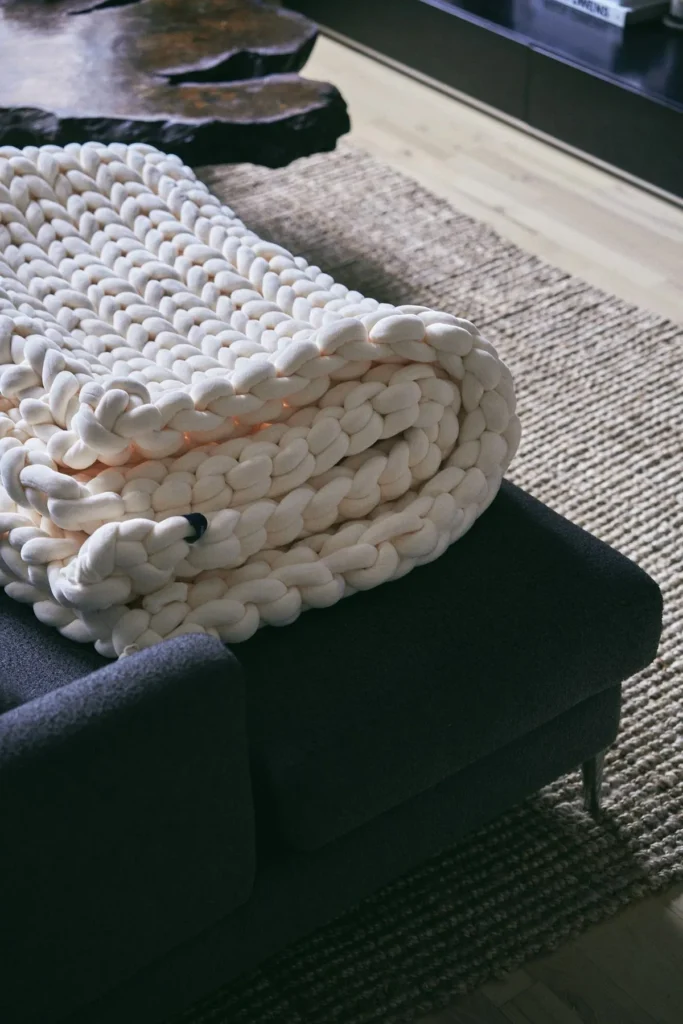
Change red cushion covers for cream, oatmeal, ivory and soft grey. Winter whites feel fresh after the busy colors of December, and they reflect light in darker rooms.
Mix textures so the whites do not look flat: a knit cushion, a linen cushion and a bouclé or faux fur one together look rich and calm.
4. Pile On Knit Throws

Chunky knits and wool blankets make January cozy. Keep one over the sofa, one on an armchair and one in a basket nearby.
Deep colors such as teal, forest green and charcoal also work well in winter and add depth to a neutral room.
5. Light Candles

Candles help through the darkest evenings. Ribbed glass jars, simple white pillars and amber glass holders feel wintry without looking festive.
Choose fresh winter scents such as cedar, pine, fig or sandalwood instead of Christmas spices. Never leave candles burning unattended, and use LED candles near curtains or throws.
6. Use Bare Branches
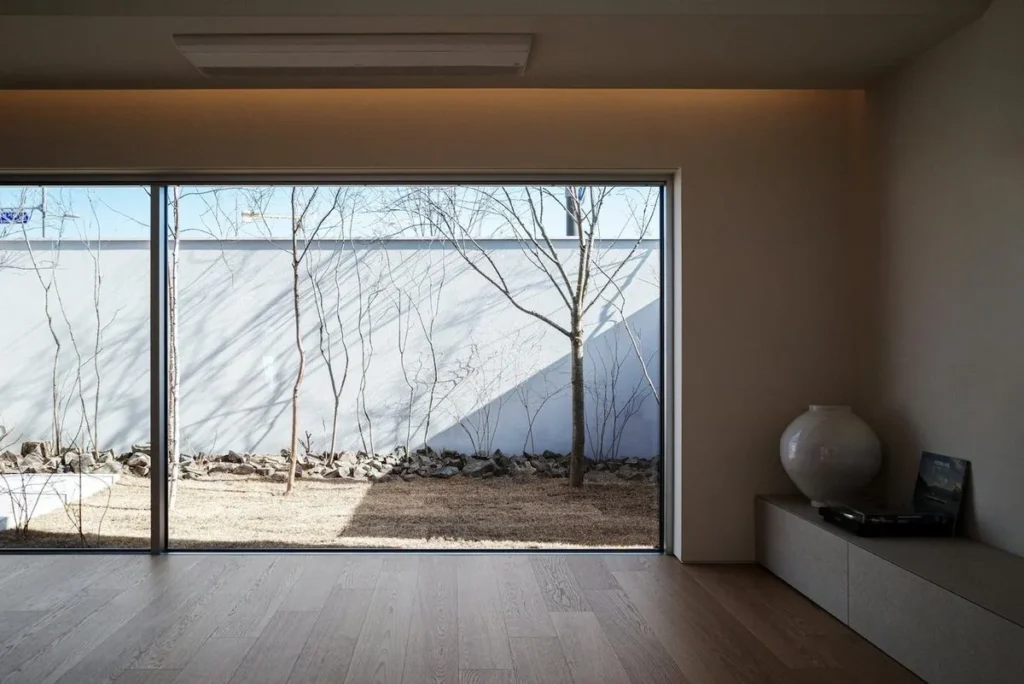
Tall bare or white-painted branches in a vase look sculptural and suit a calm, minimal room. Birch, willow and cherry branches all work.
Choose a heavy vase about one-third the height of the branches so it does not tip over. Bare branches are often free from the garden or a winter walk.
7. Add Winter Florals

White amaryllis, paperwhites, hellebores and white tulips bloom in winter and bring life to a room in the coldest months.
An amaryllis bulb usually flowers about six to eight weeks after planting. Potted bulbs are also a simple, inexpensive way to bring spring a little closer.
8. Display Pinecones
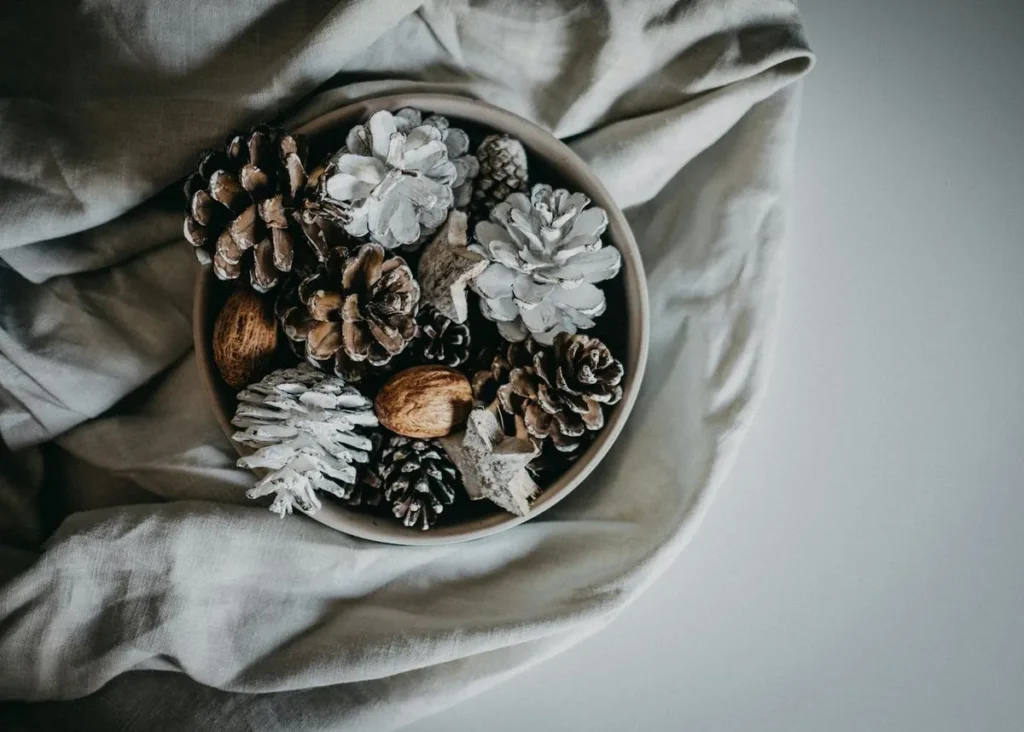
A bowl of pinecones is free, natural winter decor. Mix them with walnuts, acorns or white candles in a wooden bowl or on a tray.
Collect pinecones on a walk, then rinse them, let them dry and bake them on a low heat to remove any insects before bringing them inside.
9. Reset and Declutter

January is perfect for clearing surfaces. After weeks of decorations and gifts, a room with clear tables and tidy shelves feels calm and spacious.
Remove anything you do not need on display, put new gifts away and leave a few surfaces completely empty. A clean, calm room is the best base for winter decor.
10. Create a Cozy Corner

A reading chair, a lamp, a blanket and a small table for a hot drink make winter evenings special. Place the chair near a window for daytime light and add a floor lamp for the evening.
For more ideas, see these cozy winter living room ideas.
Winter Touches Room by Room
- Entryway: a plain green wreath on the door, a boot tray and a basket for hats and gloves.
- Living room: greenery on the mantel, warm lamps, knit throws and a bowl of pinecones.
- Kitchen: a pot of paperwhites or a bowl of citrus, which brings color to a grey month.
- Bedroom: flannel or brushed cotton bedding, an extra blanket at the foot of the bed and a bedside lamp with a warm bulb.
- Dining table: a simple runner, a few white candles and a jug of evergreen branches.
Repeating the same palette of white, green and natural wood in every room makes the whole home feel calm and connected.
Winter Decor on a Budget
Most winter decor is free or close to it. Keep the greenery and lights you already have, collect branches and pinecones outside, move throws and candles between rooms and buy one or two white flowering bulbs. These simple changes are enough to make January feel calm and cozy.
Common Mistakes After Christmas
- Leaving festive pieces up too long. Santa and red ornaments look dated after New Year.
- Taking everything down at once. Keep the lights and greenery so the room does not feel bare.
- Skipping the reset. Declutter before adding winter decor.
- Forgetting texture. Throws, wool and wood stop a white room feeling cold.
Frequently Asked Questions
How do I decorate after Christmas?
Keep greenery, lights and cozy textiles; remove ornaments and red accents. Then add white flowers, bare branches and candles.
What is winter decor vs Christmas decor?
Winter decor focuses on neutral colors, natural elements and coziness rather than holiday symbols such as Santa, ornaments and stockings.
When should I take down Christmas decorations?
Many people take them down in the first week of January. Some traditions keep them up until January 6 (Epiphany).
How long can I keep winter decor up?
Until early or mid-March, when spring flowers and lighter colors take over.
Can I keep my Christmas lights up after Christmas?
Yes. Warm white lights without ornaments look wintry and cozy, and they help through the darkest weeks of the year.
Final Thoughts
Your home does not need to feel bare after Christmas. Keep the greenery and warm lights, swap red for winter whites, pile on knit throws and light candles in the evening. Bare branches, winter florals and pinecones bring nature inside, while a quick reset and a cozy corner make the new year feel calm.
See seasonal decor ideas, cozy winter living room ideas and neutral Christmas living room decor. When the days start to lengthen, move on to these spring decor ideas.




Leave a Reply