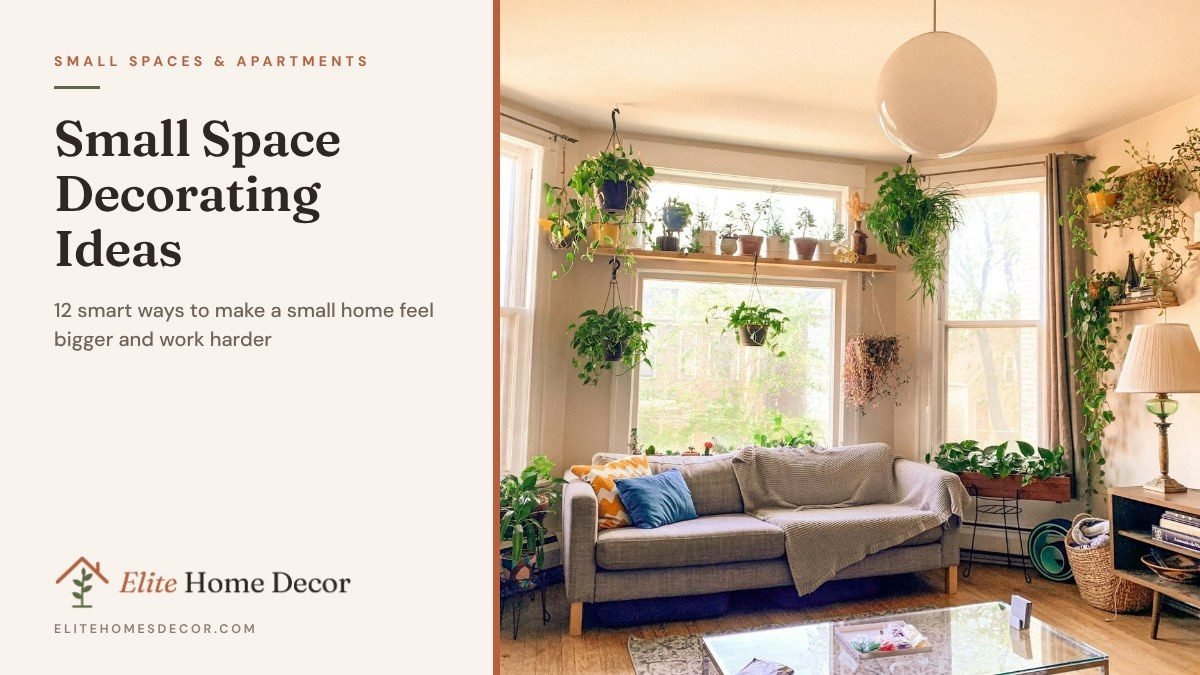
Small homes can be just as beautiful and comfortable as big ones. The secret is decorating with intention: every piece earns its place, light travels freely and storage is built in wherever possible.
These 12 rules work in studios, apartments and compact houses, whether you own or rent. Follow them in order, starting with the furniture, and you will notice the difference in how the space feels and how easy it is to live in.
Start With a Plan
Before buying anything, measure each room and draw a simple floor plan. Mark doors, windows, radiators and sockets. Then list what each room must do. A small living room may also need to be a dining room or office; a bedroom may need to hold clothes and a desk.
Write down your biggest daily frustration, such as no space for coats, nowhere to eat or nowhere to work. Solve that first. It will make the most difference to how the home feels.
1. Choose Furniture at the Right Scale
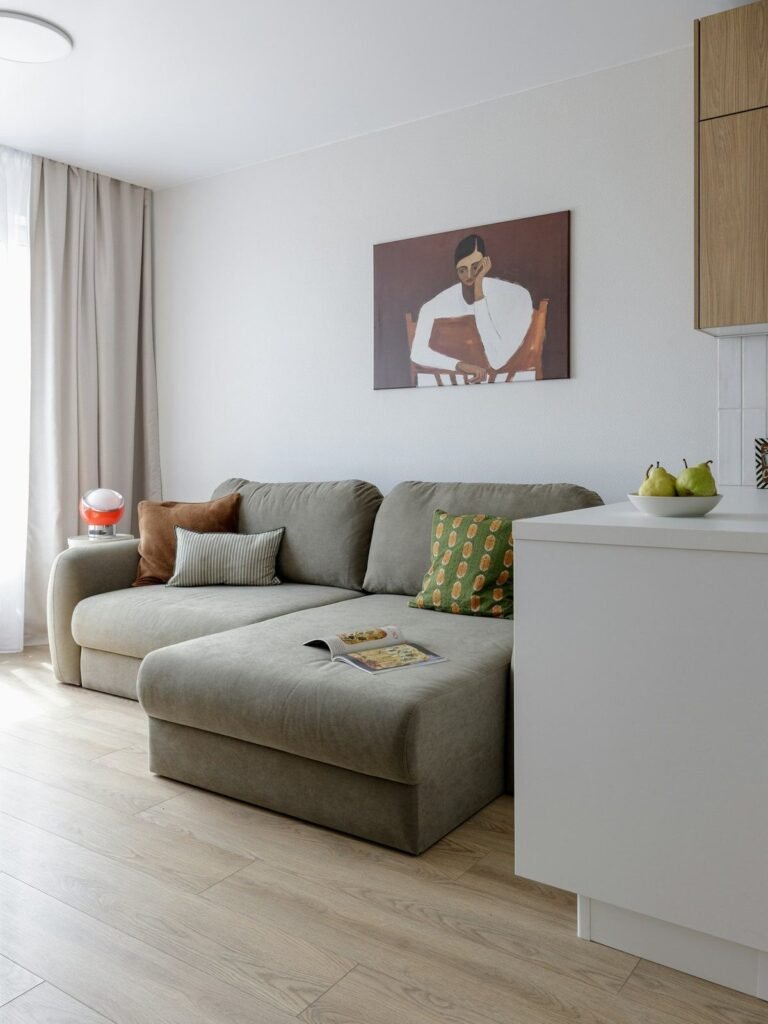
Apartment-size sofas, round tables and chairs with slim arms fit better and leave room to move. Measure every room before buying.
An apartment sofa is usually 70 to 80 inches wide, compared with 84 to 90 inches for a standard sofa. A round dining table of 36 to 42 inches seats four in a small space, and has no corners to bump into.
2. Pick Pieces With Legs
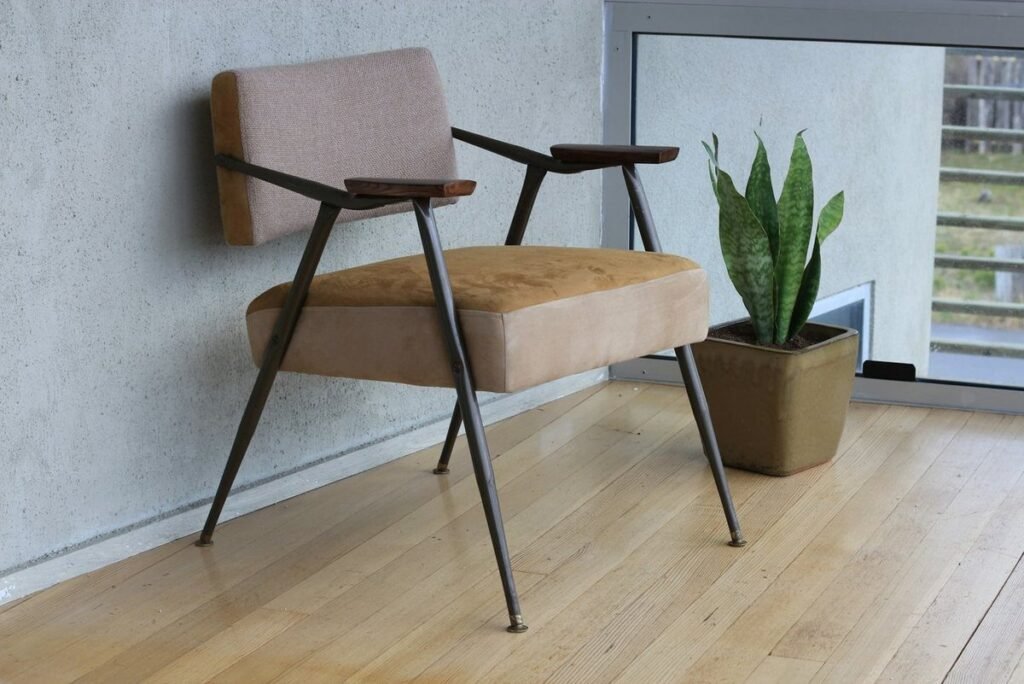
Seeing the floor under furniture makes a room feel larger. Sofas, beds, sideboards and TV units on raised legs let light and air flow underneath.
Clear acrylic or glass tables have the same effect, because they take up almost no visual space.
3. Keep the Palette Light and Consistent
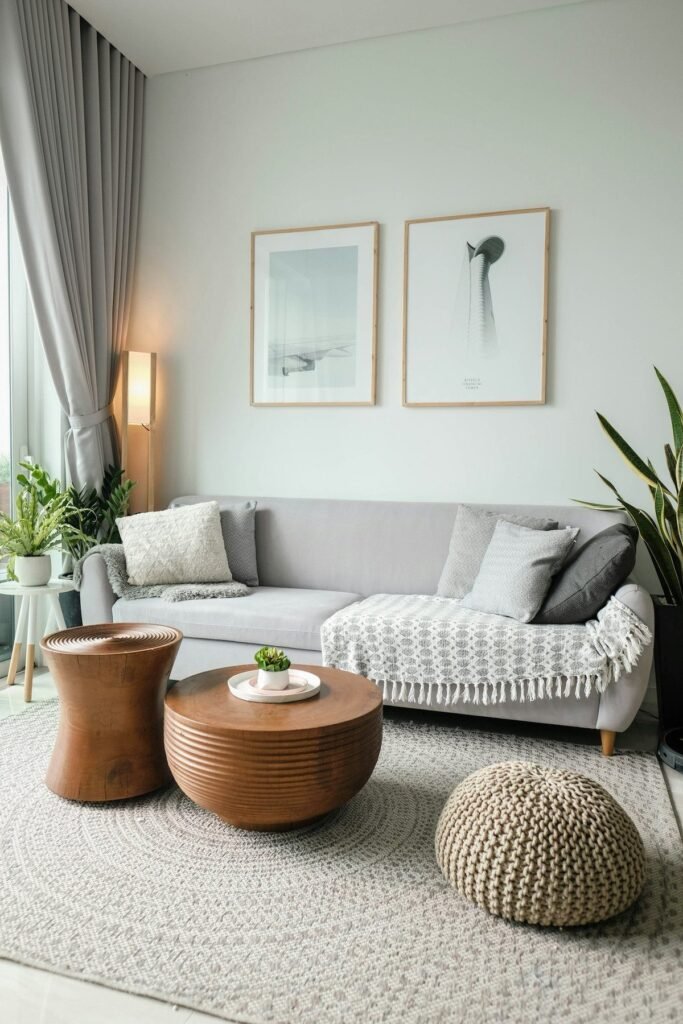
Using the same light color through connected rooms makes a small home feel larger and calmer. Warm whites, soft greys, pale greige and light sage all work well.
Painting walls, trim and even the ceiling in the same light shade blurs the edges of a room, so it feels taller and wider.
4. Use Mirrors Strategically
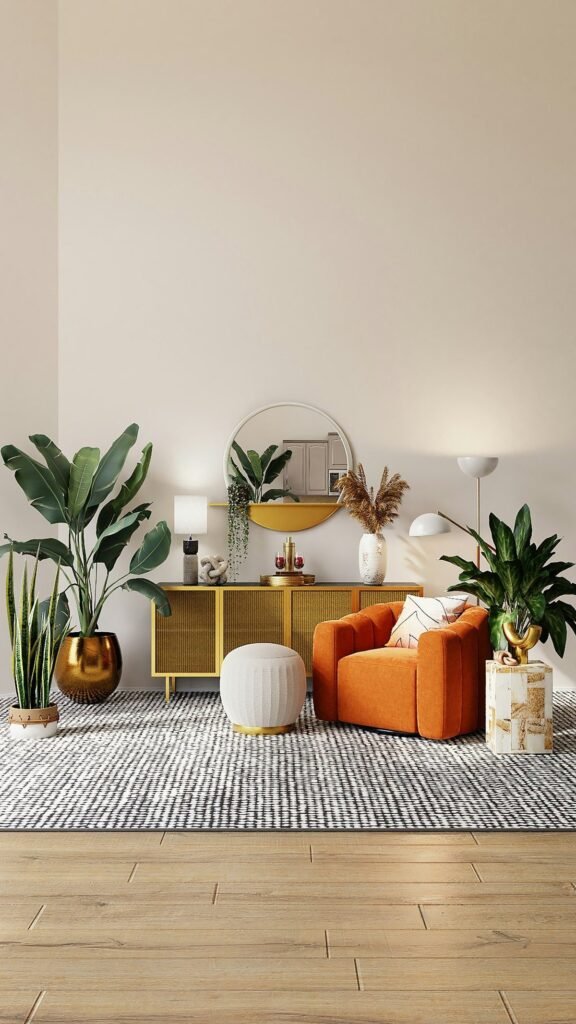
A large mirror opposite a window doubles daylight. A floor mirror leaned against the wall adds height, and a mirrored wardrobe or cabinet can make a narrow room feel twice as wide.
See how to make a small room look bigger for more tricks.
5. Build Up, Not Out
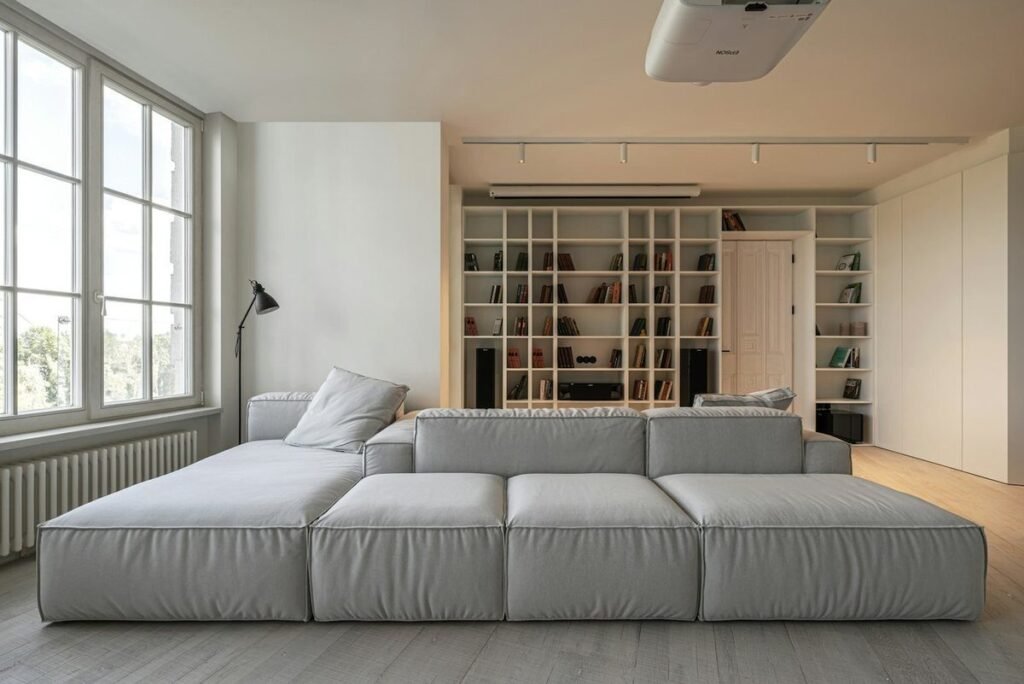
Tall shelves, wall-mounted storage and high hooks use vertical space. Floor-to-ceiling bookcases, shelves above doors and wall-mounted desks free up valuable floor space.
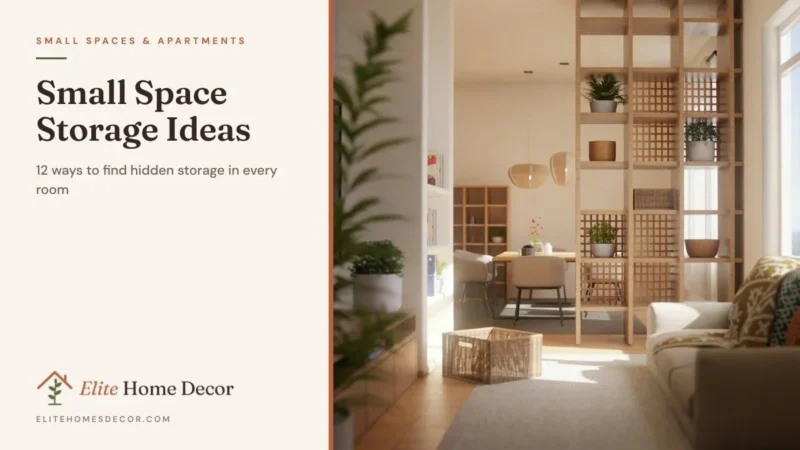
Use the top shelves for things you rarely need, and keep everyday items between hip and shoulder height. More in small space storage ideas.
6. Choose Multi-Use Furniture

Storage ottomans, sofa beds, drop-leaf tables and nesting tables do double duty. A bed with drawers underneath can replace a dresser, and a console table can be a desk by day and a dining table for two in the evening.
When buying furniture, ask: what else could this piece do?
7. Zone Open Spaces

Use rugs and lighting to define living, sleeping and working areas in open spaces. A rug under the seating area, a pendant over the dining table and a floor lamp beside the desk each create a separate “room” without walls.
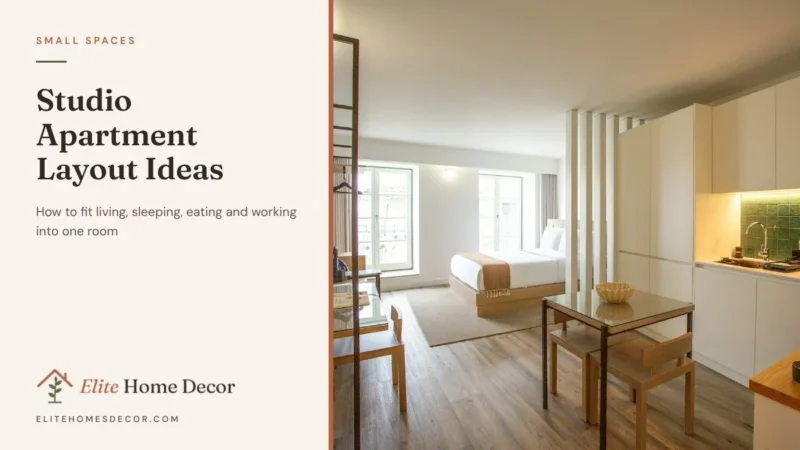
Open shelving or a curtain on a ceiling track can divide a studio while still letting light through. See studio apartment layout ideas.
8. Hang Curtains High and Wide

This makes windows and ceilings look larger and lets in more light. Hang the rod close to the ceiling and extend it 8 to 12 inches past the window on each side, so the curtains sit on the wall rather than over the glass.
Choose light, sheer fabrics in the same color as the walls to keep the room airy.
9. Edit Accessories
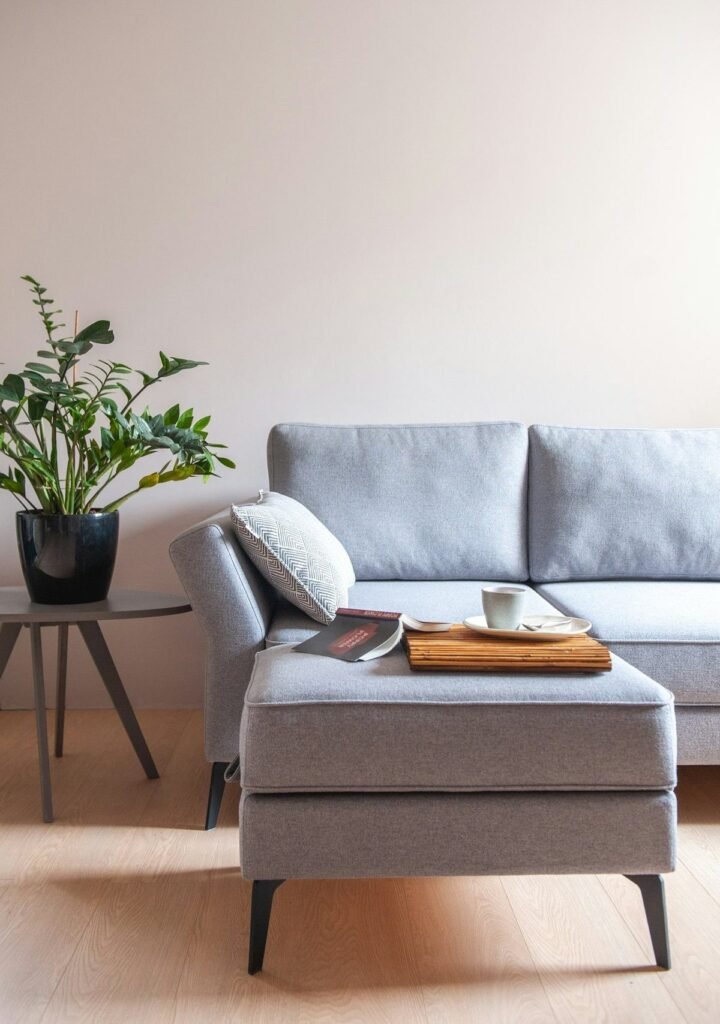
Fewer, larger decor pieces look calmer than many small ones. One large piece of art looks better than six small frames in a small room, and one big plant has more impact than several tiny pots.
Every few months, remove anything you don’t use or love.
10. Light Every Corner
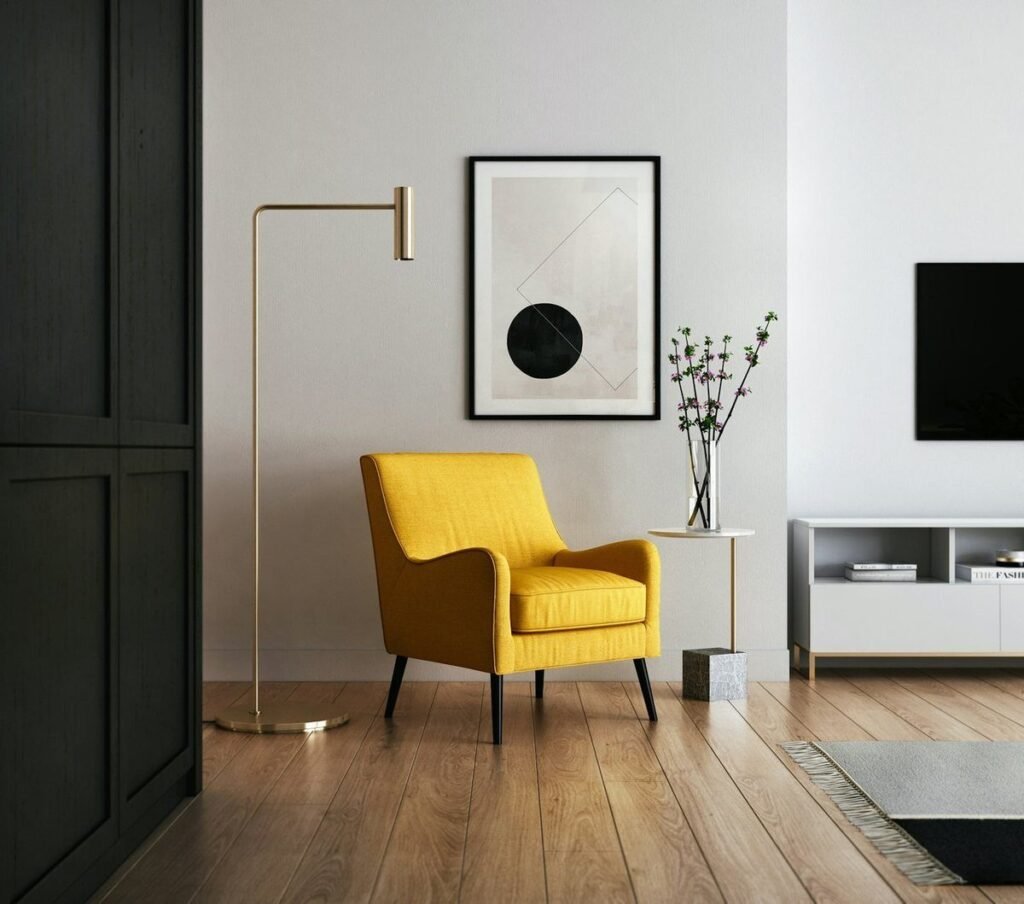
Add floor lamps and wall lights so no corner is dark. Dark corners make a room feel smaller. Plug-in wall sconces are a good choice in rentals, because they need no wiring and take no floor or table space.
11. Make It Renter-Friendly
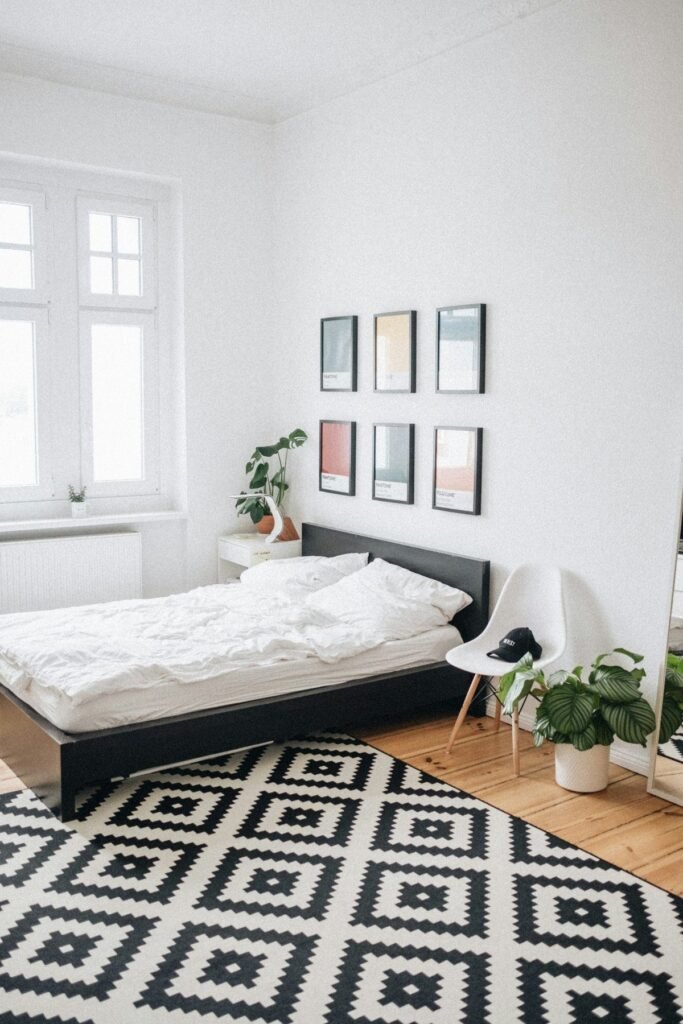
Use removable updates if you rent: peel-and-stick wallpaper, adhesive hooks, tension rods, plug-in lights and freestanding shelves. They make a big difference and come down without damage when you move.
See renter-friendly decorating ideas.
12. Bring in Plants
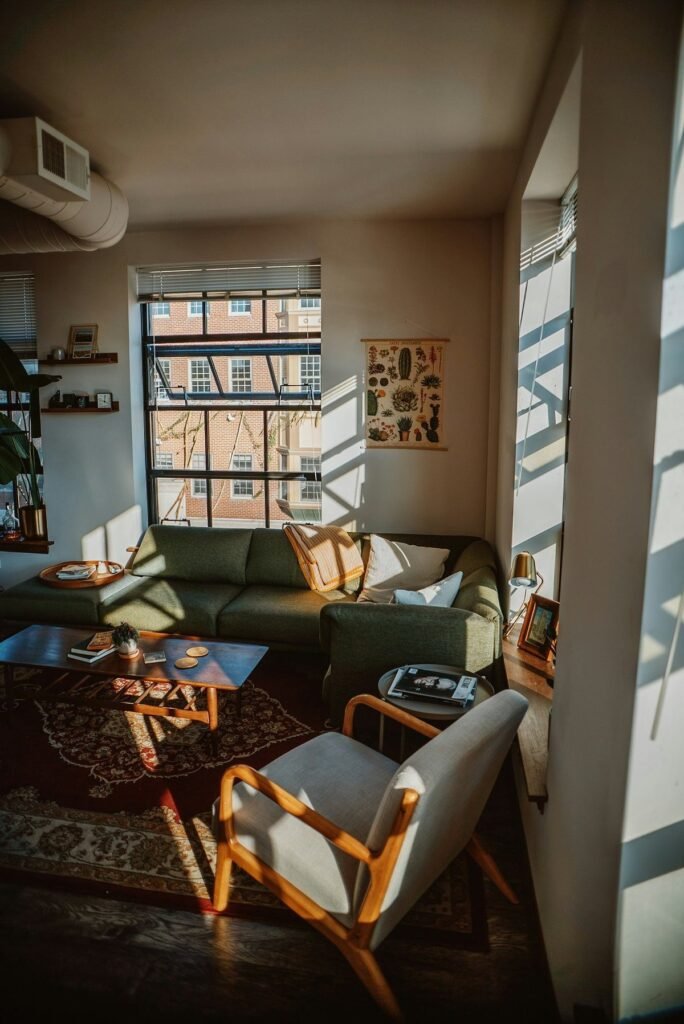
One tall plant and a few trailing ones add life without taking surface space. Hang trailing plants from the ceiling or place them on high shelves, and use a tall plant to fill an empty corner.
Pothos, snake plants and ZZ plants cope well with low light, which makes them ideal for apartments.
Room-by-Room Quick Tips
- Living room: an apartment-size sofa, a round coffee table and wall-mounted shelves. See small living room decorating ideas.
- Bedroom: a bed with storage underneath and wall-mounted bedside lights. See small bedroom ideas.
- Kitchen: hooks, rails and magnetic strips to free counter space. See small kitchen organization ideas.
- Entryway: a slim console, wall hooks and a mirror. See small entryway ideas.
- Home office: a wall-mounted or fold-down desk. See small home office ideas.
Common Small-Space Mistakes
- Furniture that is too big. Measure first, always.
- Too many small accessories. They make a room look cluttered.
- Dark corners. Add a lamp to every corner you can.
- Ignoring vertical space. Use walls and the space above doors.
- Rugs that are too small. A larger rug makes a room feel bigger.
Frequently Asked Questions
How do I decorate a small apartment?
Choose furniture at the right scale, keep colors light, add mirrors and vertical storage, and use multi-use pieces.
How can I make a small space feel bigger?
Use light colors, mirrors, furniture with legs, curtains hung high and fewer, larger accessories.
What color makes a small room look bigger?
Light, soft colors such as warm white, pale grey and light sage reflect light and make a room feel more open.
Should furniture touch the walls in a small room?
Not always. Leaving a few inches between furniture and the walls makes a room feel more spacious.
How do I add storage to a small home?
Use vertical space, choose furniture with built-in storage and use the space under beds and above doors.
Final Thoughts
Small spaces reward careful choices. Pick furniture at the right scale, keep the palette light and consistent, use mirrors and vertical storage, and give every piece a job. Light every corner and edit accessories so the room can breathe. Start with the changes that solve your biggest daily frustration, and the rest will follow.
For the festive season, see Christmas decor for small apartments. Browse the full Small Spaces category.
Leave a Reply